Medicare Part B 2026: Essential Changes and Enrollment Guide

Understanding the Latest Medicare Part B Changes: What You Need to Know for 2026 Enrollment
As we approach another year, understanding the nuances of your healthcare coverage becomes increasingly vital. For millions of Americans, Medicare Part B is a cornerstone of their health benefits, covering essential medical services. The landscape of healthcare is ever-evolving, and staying informed about upcoming changes is not just recommended, it’s crucial for making sound decisions about your health and finances. This comprehensive guide will delve into the anticipated Medicare Part B 2026 changes, offering insights into what you need to know for the enrollment period and beyond. Our aim is to equip you with the knowledge to navigate these updates confidently, ensuring you maximize your benefits and prepare for the future.
Medicare Part B covers medically necessary services and preventive services. This includes doctor visits, outpatient care, home health care, durable medical equipment, and some preventive services. Unlike Medicare Part A, which primarily covers hospital stays, Part B is designed to cover the day-to-day medical care that most individuals require. With each passing year, the Centers for Medicare & Medicaid Services (CMS) makes adjustments to premiums, deductibles, and coverage policies to reflect economic shifts, healthcare costs, and advancements in medical treatments. Therefore, understanding the specific updates for Medicare Part B 2026 is paramount for current beneficiaries and those soon to be eligible.
The information presented here is based on current projections and historical trends. While final details for Medicare Part B 2026 are usually released closer to the enrollment period, proactive planning based on informed estimates can save you time, stress, and potential financial surprises. We will cover key areas such as projected premium adjustments, deductible changes, potential alterations in covered services, and important dates for enrollment. By the end of this article, you will have a clear roadmap to prepare for the upcoming Medicare year.
What is Medicare Part B and Why Are Changes Important for 2026?
Before diving into the specifics of Medicare Part B 2026, let’s briefly recap what Medicare Part B entails. As mentioned, it’s the component of Original Medicare that covers outpatient medical services. This includes a wide array of services such as:
- Doctor’s services (including specialists)
- Outpatient hospital care
- Preventive services (e.g., screenings, vaccines)
- Medical equipment and supplies
- Mental health services (outpatient)
- Some home health services
- Ambulance services
- Clinical research
The importance of understanding annual changes, particularly for Medicare Part B 2026, cannot be overstated. These changes directly impact your monthly premiums, the out-of-pocket costs you might incur (deductibles, coinsurance), and even the scope of services that are covered. For many, these costs can significantly affect their household budget. Additionally, new medical technologies or treatment protocols might be added or adjusted within the coverage framework, influencing access to care. Keeping abreast of these updates allows you to:
- Budget Effectively: Anticipate potential increases in premiums and deductibles.
- Optimize Coverage: Understand any new preventive services or benefits that become available.
- Avoid Penalties: Ensure timely enrollment to avoid late enrollment penalties that can permanently increase your premiums.
- Make Informed Decisions: Choose between Original Medicare and Medicare Advantage plans, or supplemental plans, with a full understanding of your financial obligations and benefits.
Projected Premium and Deductible Updates for Medicare Part B 2026
One of the most anticipated aspects of annual Medicare updates concerns the standard monthly premium and the annual deductible for Part B. These figures are typically determined by several factors, including the cost of healthcare services, inflation, and legislative adjustments. While the final numbers for Medicare Part B 2026 won’t be released until late 2025, we can look at historical trends and current economic indicators to make informed projections.
Standard Monthly Premium
The standard monthly premium for Medicare Part B typically sees an annual adjustment. Historically, these adjustments reflect the rising costs of healthcare and prescription drugs. In recent years, the premium has increased modestly, with occasional significant jumps due to specific legislative actions or unexpected increases in healthcare spending. For Medicare Part B 2026, experts anticipate a moderate increase, consistent with general inflation and the ongoing demand for medical services. However, the exact percentage will depend on the Social Security Administration’s (SSA) cost-of-living adjustment (COLA) and the broader economic outlook. Beneficiaries should prepare for a potential increase, which can range from a few dollars to a more substantial amount, depending on various factors.
It’s also important to remember the Income-Related Monthly Adjustment Amount (IRMAA). If your modified adjusted gross income (MAGI) exceeds certain thresholds, you will pay a higher Part B premium. These income thresholds are also subject to annual adjustment. For Medicare Part B 2026, these thresholds are likely to be updated, potentially affecting who pays an IRMAA and at what level. It is crucial to review your income and understand how it might impact your Part B premiums.
Annual Deductible
The Medicare Part B annual deductible is the amount you must pay for covered services before Medicare begins to pay its share. Like the premium, this deductible is subject to annual changes. For Medicare Part B 2026, a slight increase in the deductible is also probable. While these increases are usually incremental, they can accumulate over time and impact your out-of-pocket expenses. Understanding the deductible is key to budgeting for healthcare costs throughout the year.
For example, if the deductible for Medicare Part B 2026 is $250, you would pay the first $250 of your covered medical expenses before Medicare starts paying its 80% share. After meeting your deductible, you typically pay 20% of the Medicare-approved amount for most doctor’s services, outpatient therapy, and durable medical equipment. This 20% is known as coinsurance. There is no annual out-of-pocket maximum with Original Medicare, which is why many beneficiaries choose to enroll in a Medicare Supplement (Medigap) policy or a Medicare Advantage plan to help cover these costs.
Key Enrollment Periods for Medicare Part B 2026
Navigating Medicare enrollment periods is critical to avoid gaps in coverage and potential late enrollment penalties. There are several key periods you need to be aware of, especially as you plan for Medicare Part B 2026.
Initial Enrollment Period (IEP)
Your Initial Enrollment Period (IEP) is a seven-month window around your 65th birthday. It includes the three months before your birth month, your birth month, and the three months after your birth month. If you enroll during this period, your coverage generally starts the month after you sign up. If you miss your IEP, you may face penalties and delays in coverage.
General Enrollment Period (GEP)
If you miss your IEP and don’t qualify for a Special Enrollment Period (SEP), you can sign up for Medicare Part B during the General Enrollment Period (GEP), which runs from January 1 to March 31 each year. If you enroll during the GEP, your coverage typically starts the month after you sign up. However, enrolling during the GEP can result in a late enrollment penalty. This penalty is an additional 10% for each full 12-month period you were eligible for Part B but didn’t sign up, and it’s added to your monthly premium for as long as you have Part B.
Special Enrollment Periods (SEPs)
Certain life events may qualify you for a Special Enrollment Period (SEP), allowing you to enroll in Medicare Part B without penalty outside of your IEP or the GEP. Common SEPs include:
- If you or your spouse are still working and covered by a group health plan.
- If you lose your employer-sponsored health coverage.
- If you move to a new service area.
It’s crucial to understand the specific rules and timelines for SEPs, as they vary depending on the qualifying event. If you believe you qualify for an SEP, it’s advisable to contact Medicare directly or consult with a benefits counselor to ensure you enroll correctly for Medicare Part B 2026.
Annual Enrollment Period (AEP)
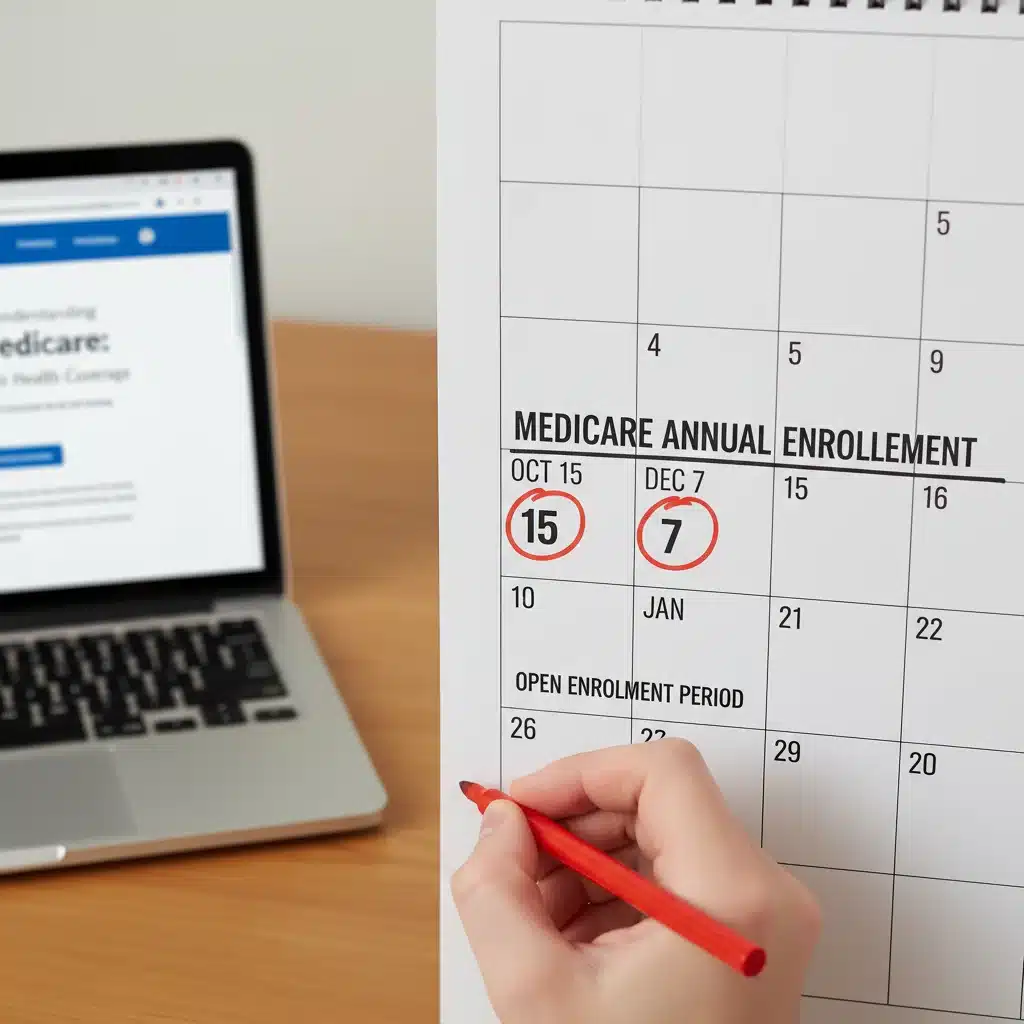
While the Annual Enrollment Period (AEP), from October 15 to December 7 each year, is primarily for making changes to existing Medicare coverage (like switching between Original Medicare and Medicare Advantage, or changing Part D plans), it’s also a time when beneficiaries often review their overall Medicare strategy in light of upcoming changes, including those for Medicare Part B 2026. During this period, you can make decisions that will take effect on January 1 of the following year.
Potential Coverage Updates and Enhancements for Medicare Part B 2026
Beyond premiums and deductibles, Medicare Part B coverage itself can see adjustments. These changes often reflect advancements in medical science, public health priorities, and efforts to improve beneficiary access to care. While specific details for Medicare Part B 2026 are yet to be finalized, we can anticipate potential areas of focus based on recent trends and legislative discussions.
Preventive Services
Medicare has consistently expanded its coverage for preventive services, recognizing their importance in maintaining health and preventing serious conditions. For Medicare Part B 2026, we might see additions or enhancements to existing preventive screenings or counseling services. This could include new screenings for specific conditions, expanded eligibility for certain tests, or increased access to wellness programs. Staying proactive with preventive care can significantly impact your long-term health, and understanding these updates will help you utilize your benefits fully.
Telehealth Services
The COVID-19 pandemic significantly accelerated the adoption and coverage of telehealth services under Medicare. While many of the temporary flexibilities have been made permanent, there’s ongoing discussion and potential for further refinement of telehealth policies. For Medicare Part B 2026, we might see clarified rules regarding the types of services covered via telehealth, geographic restrictions (or lack thereof), and payment parity with in-person visits. Telehealth offers convenience and accessibility, especially for those in rural areas or with mobility challenges, making these updates particularly relevant.
Drug Coverage and Administration
While Medicare Part B primarily covers outpatient medical services, it also covers certain drugs administered in a doctor’s office or outpatient setting, such as infusion drugs or injectables. Changes to drug pricing, approval of new medications, and ongoing efforts to lower prescription drug costs could indirectly influence Medicare Part B 2026 coverage. Beneficiaries receiving these types of medications should pay close attention to any announcements regarding drug coverage and cost-sharing.
Mental Health Services
There’s a growing emphasis on integrating mental health care with physical health. Medicare has been gradually expanding its coverage for mental health services. For Medicare Part B 2026, we could potentially see further enhancements in this area, such as expanded access to certain therapies, increased coverage for specific mental health conditions, or improved coordination of care. These changes would be beneficial for beneficiaries seeking comprehensive mental health support.

How to Prepare for Medicare Part B 2026
Proactive preparation is key to navigating the upcoming changes for Medicare Part B 2026. Here are actionable steps you can take:
Review Your Annual Notice of Change (ANOC) and Evidence of Coverage (EOC)
If you are already enrolled in Medicare, you will receive an Annual Notice of Change (ANOC) and Evidence of Coverage (EOC) from your plan (if you have a Medicare Advantage or Part D plan) in the fall. While these documents primarily detail changes to your specific plan, they often reflect broader Medicare adjustments. Even for Original Medicare beneficiaries, reviewing general Medicare announcements from CMS is crucial. These documents will outline specific changes to benefits, costs, and terms for the upcoming year, including those related to Medicare Part B 2026.
Assess Your Healthcare Needs
Your healthcare needs can change from year to year. Take time to evaluate your current health status, anticipated medical needs for 2026, and any new prescriptions or treatments you might require. This assessment will help you determine if your current Medicare coverage, including Part B, still meets your needs or if adjustments are necessary. Consider:
- Any new diagnoses or chronic conditions.
- Anticipated surgeries or procedures.
- Changes in your primary care physician or specialist network.
- Your prescription drug needs (covered by Part D, but important for overall healthcare planning).
Understand Your Financial Implications
With potential increases in premiums and deductibles for Medicare Part B 2026, it’s vital to understand the financial impact. Review your budget and consider how these changes might affect your monthly expenses. If you have a fixed income, even small increases can be significant. Explore options to mitigate costs, such as:
- Medicare Savings Programs (MSPs): These state-run programs can help low-income beneficiaries with Part B premiums and sometimes deductibles and coinsurance.
- Medigap Policies: If you have Original Medicare, a Medigap policy can help cover your out-of-pocket costs, including the Part B deductible and coinsurance. Reviewing your Medigap plan annually is a good practice.
- Medicare Advantage Plans: These plans often have different cost-sharing structures, including out-of-pocket maximums, which can provide more predictable costs than Original Medicare.
Seek Expert Advice
Medicare can be complex, and understanding all the changes, especially for Medicare Part B 2026, can be challenging. Don’t hesitate to seek assistance from trusted resources:
- State Health Insurance Assistance Programs (SHIPs): These programs offer free, unbiased counseling to Medicare beneficiaries.
- Medicare.gov: The official Medicare website is an invaluable resource for up-to-date information.
- Social Security Administration (SSA): For questions about your enrollment status, premiums, or IRMAA.
- Licensed Insurance Agents: Agents specializing in Medicare can help you compare plans and understand how changes might affect your specific situation.
The Interplay of Medicare Part B with Other Parts of Medicare
It’s crucial to remember that Medicare Part B does not operate in isolation. Its changes can have ripple effects on other parts of your Medicare coverage, particularly Medicare Advantage (Part C) plans and Medicare Supplement (Medigap) plans.
Medicare Part B and Medicare Advantage (Part C)
Medicare Advantage plans are offered by private companies approved by Medicare and cover all the services that Original Medicare (Part A and Part B) covers. Many Medicare Advantage plans also offer additional benefits like vision, dental, hearing, and prescription drug coverage. When you enroll in a Medicare Advantage plan, you typically continue to pay your Part B premium to Medicare, in addition to any premium the Medicare Advantage plan might charge. Therefore, any increase in the Medicare Part B 2026 premium will directly impact your total monthly healthcare costs, even if you are in a Medicare Advantage plan.
Additionally, Medicare Advantage plans determine their own cost-sharing for Part B services (copayments, coinsurance). While they must offer at least the same benefits as Original Medicare, their structure can differ. It’s essential to review your Medicare Advantage plan’s ANOC to understand how the plan’s specific benefits and costs will change in response to broader Medicare Part B 2026 updates.
Medicare Part B and Medicare Supplement (Medigap) Plans
Medigap policies are sold by private companies and help pay some of the out-of-pocket costs that Original Medicare doesn’t cover, such as coinsurance, copayments, and deductibles. If you have a Medigap policy, it will work in conjunction with your Original Medicare (Part A and Part B). An increase in the Medicare Part B 2026 deductible means your Medigap plan will typically kick in after you meet that new deductible (unless you have a plan that covers the deductible, like Plan F or G). Your Medigap premium is separate from your Part B premium, but the overall cost of your healthcare will be influenced by both.
It’s a good practice to review your Medigap policy annually to ensure it still meets your needs and to compare it with other available plans. While you generally don’t have an annual enrollment period for Medigap in the same way as Medicare Advantage, it’s wise to assess your options, especially if Part B costs are rising.
Looking Ahead: The Future of Medicare Part B
The changes anticipated for Medicare Part B 2026 are part of a continuous process of adjustment and refinement within the Medicare program. Several factors will continue to influence the future trajectory of Part B:
- Healthcare Spending Trends: The overall cost of healthcare in the U.S., driven by new technologies, prescription drug prices, and an aging population, will remain a primary determinant of Part B costs.
- Legislative Action: Congress frequently debates and passes legislation that can impact Medicare, including Part B. Future legislative changes could introduce new benefits, alter cost-sharing, or modify eligibility requirements.
- Demographic Shifts: The increasing number of Medicare beneficiaries due to the aging of the baby-boomer generation places ongoing pressure on the program’s finances and structure.
- Public Health Initiatives: Emerging health crises or national health priorities can lead to rapid adjustments in Medicare coverage, as seen with telehealth during the pandemic.
For beneficiaries, staying engaged and informed is the best defense against unexpected changes. Regularly checking official Medicare resources, attending informational webinars, and consulting with trusted advisors can help you stay ahead of the curve. The goal is always to ensure that Medicare Part B 2026, and subsequent years, continues to provide robust and accessible coverage for the medical services you need.
Conclusion: Your Action Plan for Medicare Part B 2026
The approaching year brings with it new adjustments to Medicare Part B 2026, impacting premiums, deductibles, and potentially coverage. While the final details are still pending, being proactive in your understanding and planning is the most effective way to ensure your healthcare needs are met without undue financial burden. Start by reviewing your current coverage, assessing your health needs, and preparing for potential cost adjustments. Utilize the wealth of resources available through Medicare, SHIPs, and qualified professionals to make informed decisions.
Remember, the goal is not just to react to changes but to anticipate them and plan accordingly. By taking these steps, you can confidently navigate the enrollment period for Medicare Part B 2026, secure in the knowledge that you have made the best choices for your health and financial well-being. Stay informed, stay proactive, and ensure your Medicare coverage continues to serve you effectively for years to come.