Real Estate Market Outlook: Predicting a 4% Average Home Value Increase by Mid-2026
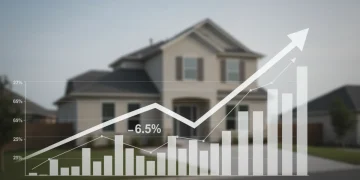
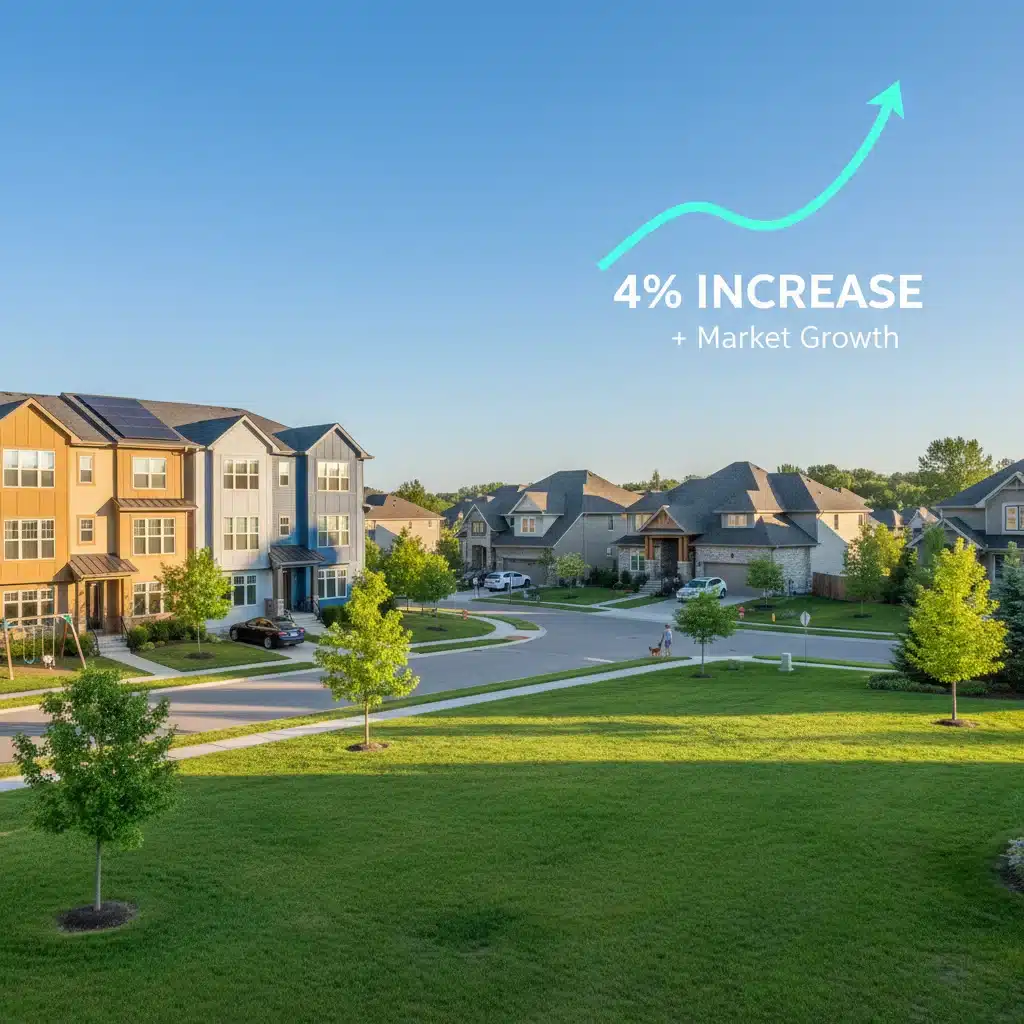
The real estate market is a dynamic and often unpredictable beast, constantly influenced by a myriad of economic, social, and political factors. For homeowners, prospective buyers, and investors alike, understanding the future trajectory of home values is paramount. Recent analyses and expert consensus are pointing towards a significant and steady appreciation in property values. Specifically, a compelling real estate outlook suggests an average home value increase of 4% by mid-2026 across various key markets. This forecast, while seemingly modest on an annual basis, represents a healthy and sustainable growth trajectory, signaling a robust period for the housing sector.
This comprehensive article will delve deep into the factors underpinning this positive real estate outlook, exploring the economic indicators, demographic shifts, and policy decisions that are likely to shape the market over the next two and a half years. We will provide a detailed breakdown of what this 4% increase could mean for different segments of the market, offering insights and strategies for navigating the evolving landscape. Whether you’re considering buying your first home, selling an existing property, or expanding your investment portfolio, understanding this real estate outlook is crucial for making informed decisions.
Anúncios
Understanding the Current Real Estate Landscape
Before we project forward, it’s essential to grasp the current state of the market. The past few years have been characterized by unprecedented volatility, driven by the lingering effects of the pandemic, supply chain disruptions, fluctuating interest rates, and evolving consumer preferences. We witnessed a period of rapid appreciation, followed by a necessary correction as interest rates climbed. However, the market has shown remarkable resilience, demonstrating a fundamental demand that continues to underpin property values.
Key indicators such as limited housing inventory, persistent buyer demand, and a relatively strong job market have prevented a more significant downturn. While affordability remains a challenge for many, the underlying fundamentals of the real estate market suggest a rebalancing rather than a collapse. This rebalancing sets the stage for the anticipated 4% average home value increase, indicating a return to more normalized, yet still positive, growth patterns.
The current environment is also marked by regional disparities. While the national average points to a 4% increase, certain metropolitan areas and regions might experience higher or lower growth rates depending on local economic conditions, population shifts, and housing supply. Understanding these nuances is critical for anyone looking to capitalize on the real estate outlook. This forecast is a national average, and local market conditions will always play a significant role in individual property performance.
Key Drivers Behind the 4% Home Value Increase Forecast
Several interconnected factors are expected to converge to drive the predicted 4% average home value increase by mid-2026. These drivers represent a blend of macroeconomic forces, demographic trends, and supply-side constraints that collectively shape the real estate market’s trajectory.
Stabilizing Interest Rates
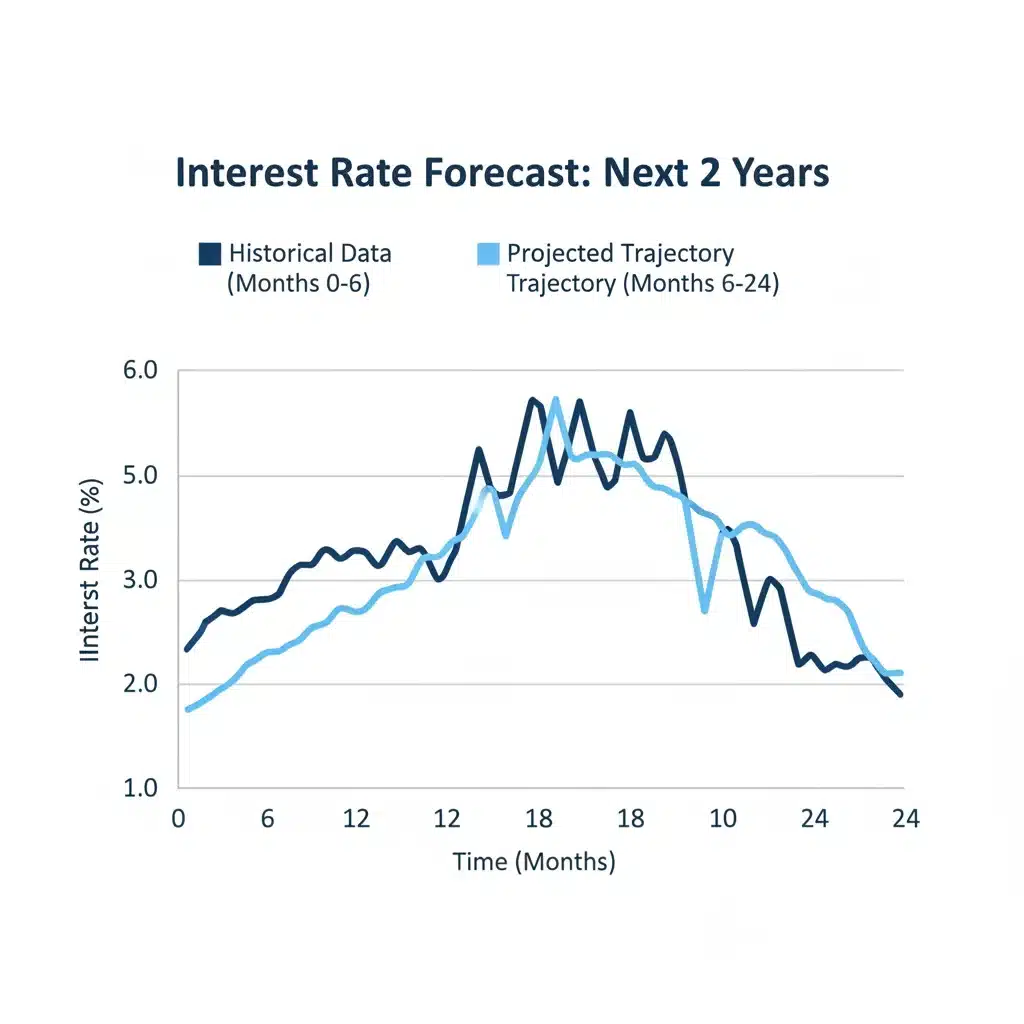
One of the most significant influences on housing affordability and buyer demand is interest rates. The rapid ascent of mortgage rates in recent years has undoubtedly cooled the market, pricing out some potential buyers. However, the consensus among economists is that interest rates are likely to stabilize, and potentially even see a slight decrease, over the forecast period. This stabilization would provide much-needed certainty for buyers, making homeownership more accessible and stimulating demand. Even a marginal drop in rates can significantly impact monthly mortgage payments, thereby increasing purchasing power and bolstering the real estate outlook.
Lower and more predictable interest rates encourage both buyers and sellers. Buyers gain confidence in their long-term financial commitments, while sellers are more willing to list their homes knowing there’s a strong pool of qualified buyers. This equilibrium is crucial for a healthy and growing market. The Federal Reserve’s stance on inflation and its monetary policy decisions will continue to be closely watched, but the general expectation is for a more favorable lending environment going forward, which directly supports the positive real estate outlook.
Persistent Housing Supply Shortage
The fundamental imbalance between housing supply and demand continues to be a dominant theme in the real estate market. Despite new construction efforts, the overall inventory of homes for sale remains historically low in many regions. This shortage is a long-standing issue, exacerbated by years of underbuilding following the 2008 financial crisis and further complicated by recent supply chain issues and labor shortages in the construction industry.
A limited supply means that even with fluctuating demand, competition for available properties remains relatively high, putting upward pressure on prices. As long as demand outstrips supply, home values are likely to continue their upward climb. The 4% average home value increase forecast implicitly accounts for this persistent supply constraint, recognizing that it will take considerable time and effort to build enough homes to fully meet market needs. This structural shortage is a key pillar supporting a positive real estate outlook.
Strong Demographic Tailwinds
Demographics play a crucial role in shaping long-term housing trends. The millennial generation, the largest demographic cohort, is now firmly in their prime home-buying years. As more millennials form families and seek stable living environments, their demand for homeownership will continue to drive the market. Furthermore, Gen Z is beginning to enter the housing market, albeit in smaller numbers, adding another layer of sustained demand.
These demographic tailwinds ensure a steady stream of first-time homebuyers, even as older generations age in place or downsize. The desire for homeownership remains strong across these generations, viewing it not only as a place to live but also as a significant wealth-building tool. This consistent demand from a large population base is a powerful force contributing to the positive real estate outlook.
Economic Resilience and Job Growth
A healthy real estate market is intrinsically linked to a robust economy and strong job growth. Despite periods of economic uncertainty, the U.S. economy has demonstrated remarkable resilience. Low unemployment rates and continued job creation mean that more people have the financial stability and income necessary to purchase homes. Wage growth, while sometimes lagging inflation, also contributes to increased purchasing power over time.
A stable economic environment fosters consumer confidence, encouraging individuals to make significant financial commitments like buying a home. As long as economic fundamentals remain sound and job markets continue to expand, the demand for housing will persist, providing a solid foundation for the predicted 4% average home value increase and reinforcing the overall real estate outlook.
What the 4% Increase Means for Different Market Participants
A 4% average home value increase by mid-2026 carries different implications for various stakeholders in the real estate market.
For Homeowners: Increased Equity and Stability
For existing homeowners, a 4% increase in home values translates directly into increased home equity. This additional equity can be a valuable asset, providing opportunities for refinancing at better terms, accessing home equity lines of credit (HELOCs), or simply building long-term wealth. It also offers a greater sense of financial security and stability.
Homeowners who have been waiting to sell might find the market more favorable as prices appreciate steadily. The predictable growth indicated by this real estate outlook allows for more strategic planning regarding upgrades, renovations, or timing a sale to maximize returns. It suggests a move away from the frenzied bidding wars of the past few years towards a more balanced and sustainable market, beneficial for both buyers and sellers.
For First-Time Homebuyers: Continued Affordability Challenges, but Opportunities
While a 4% increase might seem daunting for first-time homebuyers already struggling with affordability, it’s important to view it in context. A steady, predictable increase is often preferable to rapid, unsustainable surges that price out many. The challenge for first-time buyers will be to navigate a market where prices are still climbing, albeit at a more moderate pace. This underscores the importance of saving diligently, exploring various financing options, and being prepared to act when the right opportunity arises.
For first-time buyers, the real estate outlook also highlights the importance of getting into the market sooner rather than later, as waiting could mean facing even higher prices. Government programs, down payment assistance, and exploring less competitive markets or property types could be crucial strategies. The key is to be well-informed and work with experienced real estate professionals to identify opportunities that align with their financial capabilities.
For Real Estate Investors: Strategic Opportunities
Investors will likely view the 4% average home value increase as a positive signal, indicating a healthy market for capital appreciation. This moderate growth provides a stable environment for long-term investment strategies, whether in single-family rentals, multi-family units, or fix-and-flip projects. The predictability of this real estate outlook allows investors to model their returns with greater confidence.
Furthermore, areas experiencing stronger job growth and demographic shifts might see even higher appreciation, presenting targeted investment opportunities. Investors will need to conduct thorough due diligence, focusing on local market conditions, rental demand, and potential for yield. The forecast encourages a strategic approach, identifying undervalued assets or growth corridors that stand to benefit most from the anticipated appreciation.

Regional Variations and Local Market Insights
It is crucial to reiterate that the 4% average home value increase is a national projection. The real estate market is inherently local, and different regions will experience varying degrees of appreciation. Factors such as local economic conditions, population migration patterns, job market strength, and housing inventory levels will all contribute to these regional disparities.
For example, fast-growing tech hubs or cities with robust job markets and limited developable land might see appreciation rates exceeding the national average. Conversely, areas experiencing population decline or economic stagnation could see more modest gains, or even slight declines in specific sub-markets. Therefore, anyone making real estate decisions must look beyond the national real estate outlook and delve into granular local data.
Consulting with local real estate agents, reviewing neighborhood-specific market reports, and understanding local zoning laws and development pipelines are all essential steps to gain a comprehensive understanding of the specific market conditions you are interested in. This localized approach will allow for more precise predictions and better-informed decisions, maximizing the benefits of the positive real estate outlook.
Potential Headwinds and Risks to the Forecast
While the real estate outlook is largely positive, it’s important to acknowledge potential headwinds and risks that could impact the forecast. No market prediction is without its uncertainties, and being aware of these factors allows for a more balanced perspective and preparedness.
Inflationary Pressures
Persistent or resurgent inflation could force central banks to maintain higher interest rates for longer than anticipated, or even raise them further. This would directly impact housing affordability and could temper buyer demand, potentially slowing down the predicted 4% average home value increase. Monitoring inflation trends and the Federal Reserve’s response will be critical.
Economic Downturn
While the economy has shown resilience, a significant economic downturn or recession, potentially triggered by geopolitical events, financial market instability, or unforeseen shocks, could impact job growth and consumer confidence. A weakening job market would reduce the pool of qualified buyers and could lead to a softening of housing demand and prices.
Overbuilding in Specific Markets
While a national supply shortage exists, some local markets might experience periods of overbuilding, particularly in specific housing segments. An influx of new inventory without corresponding demand could lead to localized price corrections. This risk highlights the importance of local market analysis for investors and homebuyers.
Regulatory Changes
Changes in housing policies, zoning laws, or mortgage lending regulations could also influence the market. While major disruptive changes are not currently anticipated, any significant shifts could alter the dynamics of supply, demand, and affordability, thus affecting the real estate outlook.
Strategies for Navigating the Market Through Mid-2026
Given the projected 4% average home value increase, strategic planning is key for all participants in the real estate market.
For Buyers
- Get Pre-Approved: Understand your buying power and demonstrate seriousness to sellers.
- Be Patient but Decisive: The market will be competitive but less frenzied. Be prepared to act when the right home appears.
- Consider Less Competitive Areas: Explore suburbs or emerging neighborhoods that offer better value.
- Work with an Expert: A local real estate agent can provide invaluable insights into micro-market trends.
For Sellers
- Price Competitively: While appreciation is expected, overpricing can deter buyers.
- Enhance Curb Appeal: First impressions matter. Invest in minor repairs and staging.
- Highlight Unique Features: Differentiate your property in a competitive market.
- Time Your Sale: Consult with your agent to identify the optimal selling window in your local market.
For Investors
- Focus on Growth Markets: Identify areas with strong job growth and demographic inflows.
- Evaluate Rental Yields: Ensure potential rental income justifies the investment, even with appreciation.
- Diversify Your Portfolio: Consider different property types or locations to mitigate risk.
- Stay Informed: Continuously monitor economic indicators and local market trends to adjust strategies.
Conclusion: A Stable and Growing Real Estate Outlook
The real estate outlook for the period leading up to mid-2026 paints a picture of stable and moderate growth, with an anticipated 4% average home value increase. This forecast is supported by a confluence of factors including stabilizing interest rates, persistent housing supply shortages, strong demographic demand, and continued economic resilience. While regional variations and potential risks exist, the overall trajectory for the housing market appears positive.
For homeowners, this means continued equity growth. For buyers, it signifies a market that, while still challenging, offers opportunities for long-term wealth building if approached strategically. Investors can look forward to a favorable environment for capital appreciation. By staying informed, understanding local market dynamics, and making well-considered decisions, all participants can navigate this evolving landscape successfully and capitalize on the promising real estate outlook.
The journey to mid-2026 will undoubtedly present its own set of unique circumstances, but the foundational elements pointing towards a healthy 4% average home value increase provide a reassuring beacon for the future of real estate.