EPA Emission Standards 2026: What Auto Industry Needs to Know
Anúncios
Environmental Watch: EPA Announces Stricter Emission Standards for Vehicles Effective July 2026, Impacting Auto Industry.
The United States Environmental Protection Agency (EPA) has unveiled a landmark decision that will send ripples throughout the automotive world: significantly stricter emission standards for vehicles, slated to become effective in July 2026. This pivotal move is not merely a regulatory tweak; it represents a profound shift in the nation’s approach to environmental protection and public health, with far-reaching consequences for car manufacturers, consumers, and the global automotive supply chain. Understanding these new EPA emission standards is crucial for anyone involved in or impacted by the auto industry.
The Genesis of Change: Why Stricter EPA Emission Standards Now?
The EPA’s mandate is to protect human health and the environment. For decades, vehicle emissions have been a significant contributor to air pollution, leading to smog, acid rain, and the release of greenhouse gases that fuel climate change. While previous regulations have made strides, scientific consensus and observed environmental degradation necessitate more aggressive action. The decision to implement stricter EPA emission standards by July 2026 is driven by several key factors:
Anúncios
- Climate Change Mitigation: Reducing greenhouse gas emissions, particularly carbon dioxide (CO2), is paramount to combating global warming. Vehicles are a major source of these gases.
- Public Health Improvement: Fine particulate matter, nitrogen oxides (NOx), and volatile organic compounds (VOCs) from vehicle exhaust contribute to respiratory illnesses, heart disease, and other health issues. Stricter standards aim to significantly reduce these harmful pollutants.
- Technological Advancements: The automotive industry has made considerable progress in developing cleaner technologies, including electric vehicles (EVs), plug-in hybrids (PHEVs), and highly efficient internal combustion engines (ICEs). The EPA believes the technology exists to meet more stringent requirements.
- Global Alignment: Many other developed nations have already implemented or are moving towards more ambitious emission targets. These new EPA emission standards help align the U.S. with international efforts to combat climate change and improve air quality.
Decoding the New EPA Emission Standards: What’s Changing?
While the full details of the regulatory text are extensive, the core of the new EPA emission standards focuses on several key areas:
1. Greenhouse Gas (GHG) Emissions Reductions
The most significant aspect of the new regulations is the aggressive reduction targets for greenhouse gas emissions, primarily CO2. These targets are set on a fleet-wide average basis, meaning manufacturers must ensure their overall sales mix meets the specified CO2 per mile limits. This will inevitably accelerate the shift towards zero-emission vehicles (ZEVs), such as battery electric vehicles (BEVs) and fuel cell electric vehicles (FCEVs), and highly efficient hybrid models.
2. Criteria Pollutant Limits
Beyond GHGs, the new EPA emission standards also tighten limits on criteria pollutants, which directly impact local air quality. These include:
- Nitrogen Oxides (NOx): A major component of smog and acid rain.
- Particulate Matter (PM): Tiny airborne particles that can penetrate deep into the lungs.
- Non-Methane Organic Gases (NMOG) and Carbon Monoxide (CO): Other harmful pollutants contributing to air quality issues.
These stricter limits will require further advancements in catalytic converter technology, engine calibration, and potentially the widespread adoption of technologies like gasoline particulate filters (GPFs) for gasoline-powered vehicles, mirroring trends already seen in Europe.
3. Durability and Warranty Requirements
To ensure the long-term effectiveness of emission control systems, the EPA is also expected to enhance durability and warranty requirements. This means that emission control components will need to maintain their performance for a longer period and mileage, placing a greater burden on manufacturers to design robust and reliable systems. This aspect of the EPA emission standards is critical for sustained environmental benefits.
4. Incentives for Advanced Technologies
The regulations are likely to include provisions that incentivize the adoption of advanced technologies. This could involve credit schemes for ZEVs and PHEVs, allowing manufacturers to offset emissions from less efficient vehicles in their fleet. Such incentives are designed to accelerate the market penetration of cleaner vehicles, a cornerstone of the EPA’s strategy.
Impact on the Auto Industry: A Paradigm Shift
The ramifications of these new EPA emission standards for the auto industry are colossal, necessitating significant strategic shifts and investments.
1. Accelerated Electrification
This is perhaps the most immediate and profound impact. Manufacturers will be compelled to rapidly expand their electric vehicle offerings across all segments, from sedans and SUVs to trucks. This includes:
- Increased R&D Investment: Billions will be poured into battery technology, electric motor design, charging infrastructure development, and vehicle integration.
- Supply Chain Transformation: The shift to EVs requires a complete retooling of the supply chain, from raw materials for batteries to manufacturing processes for electric powertrains.
- Manufacturing Plant Conversion: Existing internal combustion engine (ICE) assembly lines will need to be reconfigured or new plants built to produce EVs.
2. Innovation in Internal Combustion Engines (ICE)
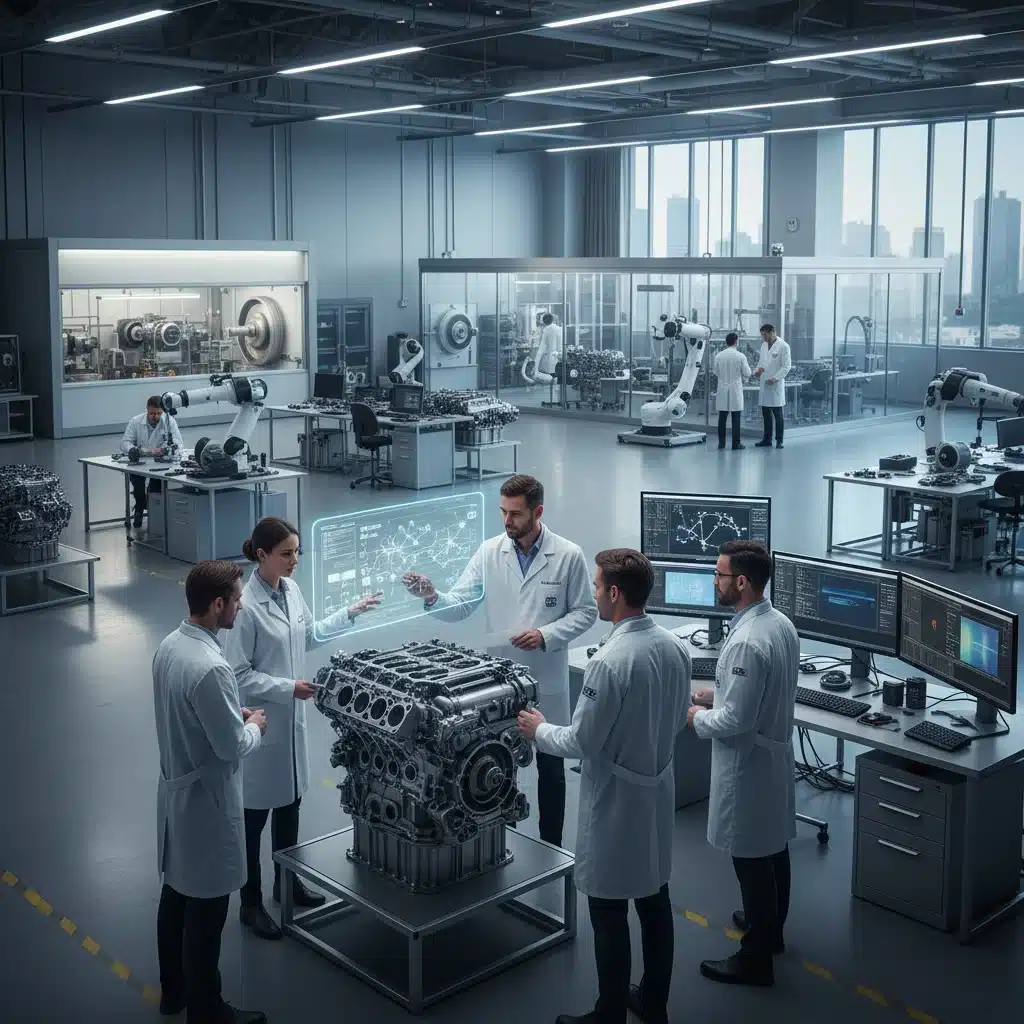
While electrification is a primary focus, ICE vehicles will not disappear overnight. For the foreseeable future, they will still constitute a significant portion of new vehicle sales. Therefore, manufacturers will continue to invest in making ICEs as clean and efficient as possible, pushing the boundaries of:
- Thermal Efficiency: Developing engines that extract more energy from fuel.
- Advanced Emission Control Systems: Improving catalytic converters, exhaust gas recirculation (EGR) systems, and potentially implementing advanced aftertreatment technologies.
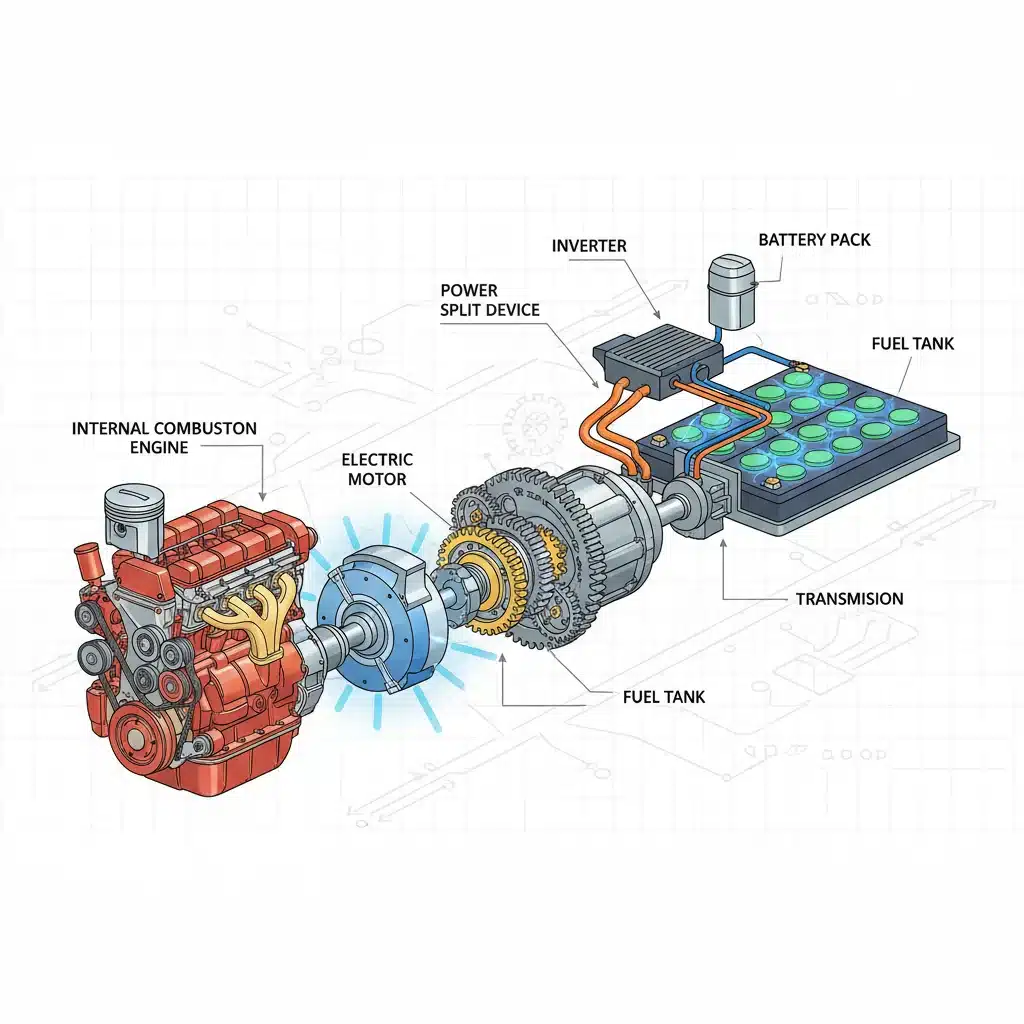
- Hybridization: Integrating mild-hybrid, full-hybrid, and plug-in hybrid systems into more models to reduce fuel consumption and emissions.
3. Financial Implications and Investment
Meeting the new EPA emission standards will require massive financial investment. Companies will need to allocate capital to:
- Research and Development: For new technologies and designs.
- Manufacturing Infrastructure: For EV production and advanced ICE components.
- Workforce Retraining: Equipping employees with the skills needed for EV manufacturing and maintenance.
- Compliance Costs: Including testing, certification, and potential penalties for non-compliance.
Smaller manufacturers or those with less diverse product portfolios might find it particularly challenging to meet these stringent requirements without significant strategic partnerships or government support.
4. Product Portfolio Restructuring
Manufacturers will likely re-evaluate their product lineups. Less efficient, high-emission models may be phased out or redesigned to incorporate hybrid or electric powertrains. The focus will shift towards a greater proportion of ZEVs and highly efficient traditional vehicles to meet fleet-wide average targets. This will directly influence the types of vehicles available to consumers.
Impact on Consumers: Choices, Costs, and Benefits
For the average car buyer, the new EPA emission standards will bring both changes and benefits.
1. Broader Availability of Electric and Hybrid Vehicles
The most noticeable change will be the sheer increase in the variety and availability of EVs and PHEVs. Consumers will have more options than ever before, across different price points and vehicle segments. This includes more electric trucks, SUVs, and even more affordable EV models.
2. Potential for Higher Vehicle Prices
Initially, the advanced technologies required to meet the new EPA emission standards, especially for EVs, might lead to higher upfront vehicle costs. However, this is often offset by:
- Operating Cost Savings: EVs typically have lower fuel (electricity) costs and reduced maintenance requirements.
- Government Incentives: Federal and state tax credits or rebates for ZEVs can significantly reduce the effective purchase price.
- Economies of Scale: As EV production ramps up, battery costs are expected to continue declining, eventually making EVs price-competitive with ICE vehicles.
3. Improved Air Quality and Health
The long-term benefits for consumers and society at large are substantial. Reduced vehicle emissions will lead to cleaner air, fewer respiratory illnesses, and improved public health outcomes, especially in urban areas heavily affected by vehicle pollution. This is a direct benefit of stricter EPA emission standards.
4. Enhanced Driving Experience
Many consumers find EVs offer a superior driving experience with instant torque, quiet operation, and smooth acceleration. The push for electrification driven by these standards will allow more people to experience these benefits.
The Role of Government and Infrastructure
Meeting the goals of the new EPA emission standards is not solely the responsibility of the auto industry. Government policy and infrastructure development play critical supporting roles.
1. Charging Infrastructure Expansion
A robust and widespread charging infrastructure is essential for the mass adoption of EVs. This includes public fast chargers, workplace charging, and residential charging solutions. Government incentives and partnerships with the private sector are crucial for accelerating this build-out.
2. Grid Modernization
The increased demand for electricity from EVs necessitates a modern, reliable, and clean electricity grid. Investments in renewable energy sources (solar, wind) and grid upgrades are vital to ensure that charging EVs doesn’t simply shift emissions from tailpipes to power plants.
3. Consumer Education and Incentives
Continued consumer education about the benefits of EVs and available incentives will be necessary to drive demand. Clear, consistent policies will help build consumer confidence in the transition to electric mobility.
Challenges and Opportunities for the Auto Industry
While the new EPA emission standards present significant hurdles, they also unlock immense opportunities for innovation and market leadership.
Challenges:
- Technological Hurdles: Developing cost-effective, high-performance battery technology and robust charging solutions.
- Supply Chain Vulnerabilities: Securing critical minerals for batteries (lithium, cobalt, nickel) and managing geopolitical risks.
- Consumer Acceptance: Overcoming range anxiety, charging infrastructure concerns, and initial cost barriers.
- Workforce Transition: Retraining a workforce traditionally focused on ICE technology for the EV era.
- Regulatory Complexity: Navigating evolving regulations across different jurisdictions and ensuring compliance.
Opportunities:
- Market Leadership: Companies that successfully adapt and innovate can gain a competitive edge in the rapidly growing EV market.
- New Revenue Streams: Opportunities in battery manufacturing, charging services, and energy management solutions.
- Brand Enhancement: Being perceived as an environmentally responsible and technologically advanced company.
- Reduced Operating Costs: For fleets, the transition to EVs can lead to significant long-term fuel and maintenance savings.
- Global Competitiveness: Developing advanced emission technologies and EVs for the U.S. market can open doors to other global markets with similar stringent regulations.
Looking Ahead: The Future of Automotive Emissions
The July 2026 deadline for the new EPA emission standards marks a critical juncture. It is a clear signal that the era of conventional, high-emission vehicles is drawing to a close, and the future is decisively cleaner and more electrified. The next few years will witness an unprecedented pace of change in the automotive sector, driven by innovation, regulatory pressure, and evolving consumer demands.
The success of these standards hinges on collaborative efforts between policymakers, industry leaders, technology developers, and consumers. While the transition will undoubtedly have its complexities, the long-term benefits of cleaner air, a healthier population, and a more sustainable planet are undeniable. The auto industry is on the cusp of its most transformative period since its inception, and the EPA’s latest move is the catalyst for this exciting, challenging, and ultimately beneficial evolution.
Manufacturers are already strategizing and retooling to meet these ambitious targets. We can expect to see a surge in new electric and hybrid models hitting showrooms, along with continuous improvements in the efficiency of traditional gasoline vehicles. For consumers, this means more choices for eco-friendly transportation, potentially lower running costs over the vehicle’s lifetime, and the satisfaction of contributing to a healthier environment. The journey to a cleaner automotive future, propelled by these new EPA emission standards, is well underway.
Conclusion: A Greener Road Ahead
The EPA’s announcement of stricter emission standards effective July 2026 is a monumental step towards a sustainable future. It challenges the auto industry to innovate at an accelerated pace, pushing the boundaries of automotive technology and manufacturing. While the path ahead presents significant investments and strategic pivots for manufacturers, it also paves the way for a new era of cleaner, more efficient, and environmentally responsible vehicles. For consumers, this translates into more advanced choices, potential long-term savings, and the invaluable benefit of cleaner air and a healthier planet. The impact of these EPA emission standards will resonate for decades, shaping not just the vehicles we drive, but the very environment we live in.