AI in K-12: 7 Practical Strategies for US Educators in 2026
Anúncios
AI in K-12: 7 Practical Strategies for US Educators in 2026
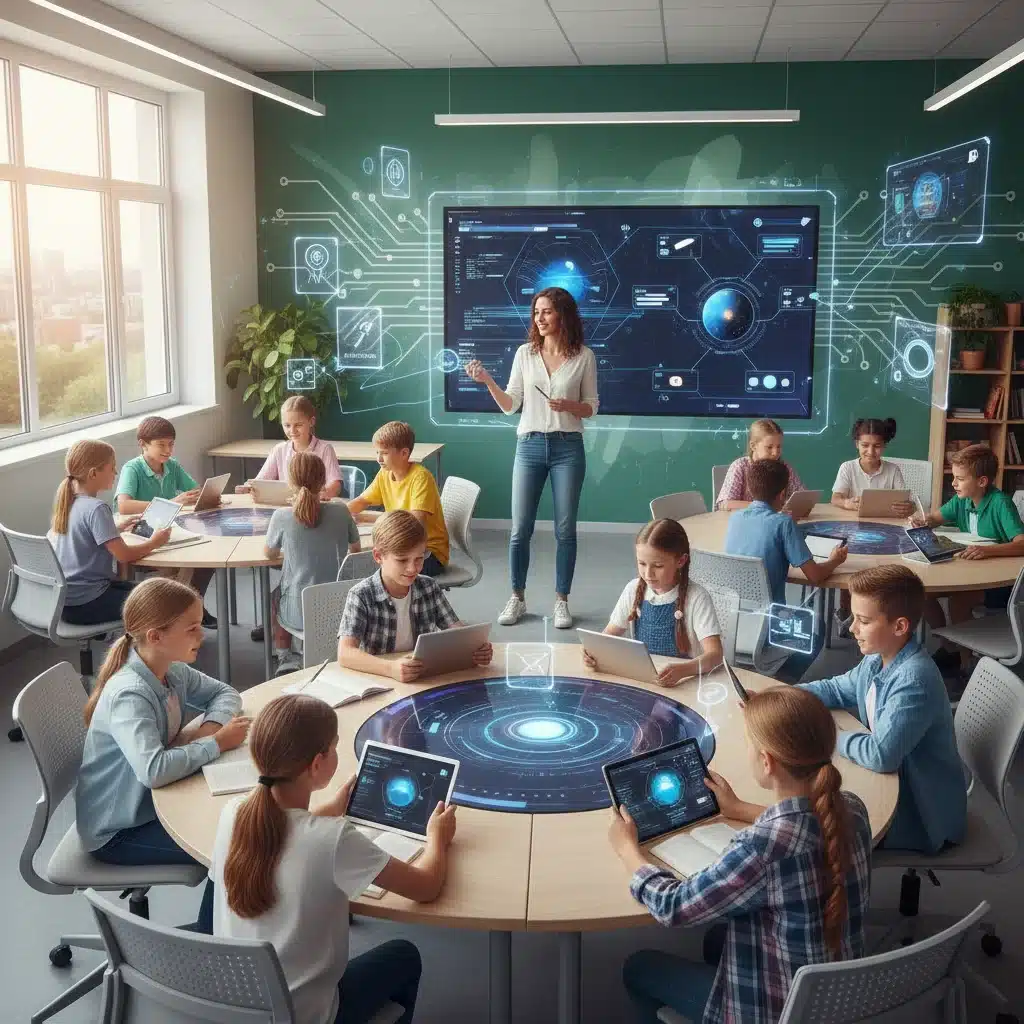
The landscape of education is undergoing a profound transformation, driven by the rapid advancements in Artificial Intelligence (AI). As we look towards 2026, US educators are not just contemplating the integration of AI in K-12 classrooms; they are actively implementing practical, innovative strategies to harness its potential. This article delves into seven key approaches that are shaping the future of learning, empowering both students and teachers. The goal is clear: to leverage AI to create more personalized, efficient, and equitable educational experiences.
The conversation around AI in K-12 education often oscillates between utopian visions and dystopian fears. However, the reality on the ground is far more nuanced, focusing on tangible benefits and addressing real-world challenges. From automating administrative tasks to providing hyper-personalized learning paths, AI is proving to be a versatile tool. But its successful integration requires thoughtful planning, robust infrastructure, and a commitment to ethical deployment. Let’s explore how US schools are navigating this exciting new frontier.
Anúncios
1. Personalized Learning Paths and Adaptive Tutoring Systems
One of the most significant promises of AI in K-12 education is its ability to tailor learning experiences to individual student needs. Traditional classroom settings, with their one-size-fits-all approach, often struggle to cater to the diverse learning styles, paces, and prior knowledge of students. AI-powered personalized learning platforms are changing this paradigm. These systems analyze student performance, identify strengths and weaknesses, and then adapt the curriculum, resources, and instructional methods accordingly.
Adaptive tutoring systems are a prime example. These tools use AI algorithms to provide real-time feedback, suggest next steps, and offer targeted interventions. Imagine a student struggling with algebra; an AI tutor can provide additional practice problems, explain concepts in different ways, or even recommend external resources, all while tracking their progress. This level of individualized support, once a luxury reserved for one-on-one tutoring, is now becoming scalable through AI. Educators are finding that this not only improves academic outcomes but also boosts student engagement and confidence. By 2026, many US schools are expected to have integrated such systems as a core component of their instructional design, especially for foundational subjects like math and reading.
The implementation of these systems requires careful consideration of data privacy and algorithmic bias. Schools are working with developers to ensure that these platforms are transparent in their operations and that student data is protected. Furthermore, the role of the teacher evolves from a sole knowledge dispenser to a facilitator and guide, leveraging AI insights to better support their students. This collaborative approach between human educators and AI tools is proving to be incredibly effective in fostering a more student-centric learning environment.
2. Automating Administrative Tasks and Streamlining Workflows
Teachers often spend a considerable amount of time on administrative duties that detract from their primary role of teaching. Grading papers, managing schedules, communicating with parents, and analyzing attendance records are all essential but time-consuming tasks. AI offers powerful solutions to automate many of these processes, thereby freeing up educators to focus more on instruction and student interaction.
AI-powered grading tools, for instance, can quickly and accurately assess objective assignments, such as multiple-choice tests or short-answer questions. Some advanced systems can even provide preliminary feedback on essays, highlighting grammatical errors or suggesting areas for improvement, which teachers can then refine. This doesn’t replace the teacher’s judgment but augments their capacity, allowing them to provide more detailed and timely feedback on complex assignments.
Beyond grading, AI is being used for intelligent scheduling, optimizing classroom assignments, and managing communication. Chatbots can handle routine parent inquiries, providing instant answers to frequently asked questions about school policies, assignments, or events. This reduces the administrative burden on teachers and school staff, leading to a more efficient and responsive educational ecosystem. The integration of AI in K-12 education for administrative tasks is not just about efficiency; it’s about reallocating valuable human resources to where they are most needed: direct student support and innovative teaching.
3. Enhancing Data-Driven Decision Making
Data has always been a part of education, but AI is transforming how schools collect, analyze, and act upon it. AI-powered analytics platforms can process vast amounts of student performance data, attendance records, engagement metrics, and even behavioral patterns to provide actionable insights. This allows educators and administrators to identify trends, predict potential challenges, and make more informed decisions about curriculum adjustments, student interventions, and resource allocation.
For example, an AI system might flag a student who is showing early signs of disengagement or academic difficulty, allowing teachers to intervene proactively rather than reactively. It can also help identify which teaching methods are most effective for different student cohorts or highlight areas where the curriculum might need revision. By understanding the ‘why’ behind student performance, schools can move beyond simply reporting data to actively using it to improve educational outcomes.
The key to successful data-driven decision-making with AI lies in ensuring that the data is interpreted correctly and ethically. Training for educators on how to use these tools effectively and understand their limitations is crucial. By 2026, many US school districts aim to have robust AI-driven data analytics systems in place, enabling them to refine their educational strategies continuously. This strategic use of AI in K-12 education empowers schools to be more responsive and adaptive to the evolving needs of their student population.

4. Developing AI Literacy and Ethical AI Use Among Students
As AI becomes more ubiquitous, it’s not enough for educators to simply use AI tools; students also need to understand how AI works, its capabilities, and its ethical implications. Integrating AI literacy into the K-12 curriculum is becoming a critical strategy. This involves teaching students about the fundamental concepts of AI, machine learning, and data science, as well as fostering critical thinking about AI’s societal impact.
Schools are introducing age-appropriate modules on AI, from basic programming concepts in elementary school to more advanced discussions on bias, privacy, and the future of work in high school. This isn’t just about preparing students for future careers in tech; it’s about equipping them to be informed and responsible citizens in an AI-driven world. Understanding how algorithms influence information consumption, how data is collected and used, and the importance of ethical considerations are essential skills for the 21st century.
Furthermore, schools are encouraging students to use AI tools creatively and responsibly in their projects, fostering innovation while emphasizing ethical guidelines. For instance, students might use AI for research, content creation, or problem-solving, but they are also taught about plagiarism, data sourcing, and the potential for misuse. This proactive approach to AI literacy ensures that students are not just consumers of technology but critical, thoughtful participants in its evolution. This focus on ethical AI in K-12 education is paramount for building a responsible future.
5. Creating Immersive and Engaging Learning Experiences
AI can transform passive learning into active, immersive experiences. Virtual Reality (VR) and Augmented Reality (AR) technologies, often powered by AI, are being integrated into classrooms to create dynamic and engaging educational content. Imagine dissecting a virtual frog in biology class, exploring ancient Rome through an AR app, or practicing public speaking in a VR simulation with AI-generated audiences.
These technologies allow students to interact with complex concepts in ways that traditional textbooks or lectures cannot. AI can personalize these immersive experiences, adapting the difficulty or content based on the student’s progress and interests. For example, an AI-powered VR history lesson could present different historical perspectives based on a student’s prior knowledge or engagement level. This not only makes learning more fun but also helps in deeper comprehension and retention of information.
Beyond VR/AR, AI is also being used to generate dynamic content, create interactive simulations, and even design educational games. These tools can cater to diverse learning styles, making education more accessible and enjoyable. By leveraging AI to craft rich, interactive learning environments, educators are seeing increased student motivation and a more profound understanding of complex subjects. The integration of immersive tools driven by AI in K-12 education is set to revolutionize how students interact with their curriculum.
6. Professional Development and Teacher Training in AI Tools
The successful integration of AI in K-12 education hinges significantly on the readiness and capability of educators. It’s not enough to simply provide AI tools; teachers need comprehensive professional development and ongoing training to effectively utilize these technologies in their classrooms. This includes understanding the functionalities of various AI platforms, learning how to integrate them into curriculum, and developing strategies for managing AI-enhanced learning environments.
School districts are investing in robust training programs that cover everything from basic AI literacy for educators to advanced techniques for leveraging AI for personalized instruction and assessment. These programs often include hands-on workshops, collaborative learning communities, and access to expert mentors. The aim is to empower teachers, not to replace them, by providing them with the skills and confidence to navigate the evolving technological landscape.
Furthermore, professional development extends to understanding the ethical implications of AI, such as data privacy, algorithmic bias, and the appropriate use of AI-generated content. Teachers are being trained to guide students in responsible AI use, fostering critical thinking and digital citizenship. By prioritizing teacher training, schools ensure that AI integration is not just a technological upgrade but a pedagogical enhancement, leading to more effective and impactful learning experiences for all students.
7. Addressing Equity and Accessibility in AI Deployment
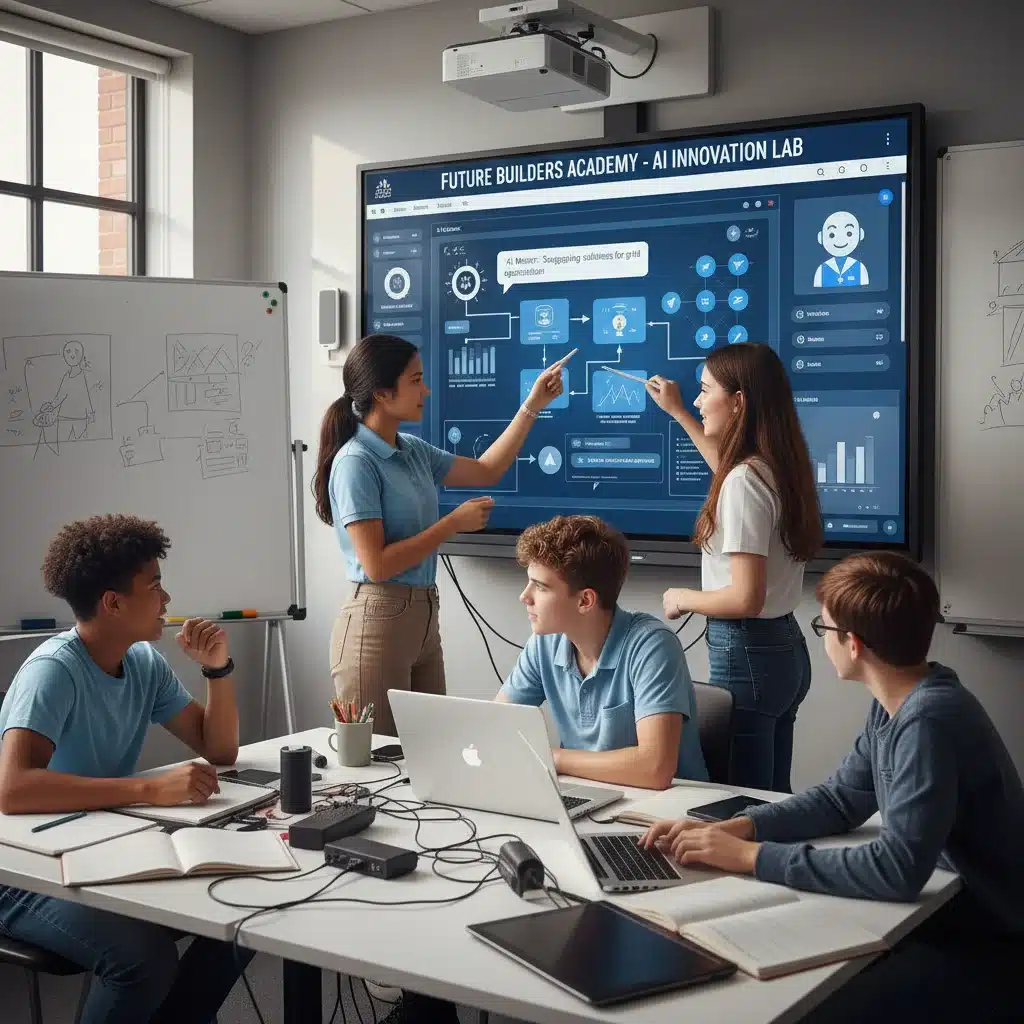
While the potential benefits of AI in K-12 education are immense, there’s a critical need to address issues of equity and accessibility. The digital divide, which often mirrors socio-economic disparities, could be exacerbated if AI tools are not deployed thoughtfully. Schools are actively working to ensure that AI integration does not widen existing gaps but rather helps to bridge them.
This involves strategies such as providing equitable access to devices and internet connectivity for all students, regardless of their background. It also means selecting AI tools that are designed with accessibility in mind, catering to students with diverse learning needs, including those with disabilities. AI can, in fact, be a powerful tool for accessibility, offering features like speech-to-text, text-to-speech, language translation, and adaptive interfaces that can greatly benefit students with special needs.
Furthermore, schools are conscious of algorithmic bias, which can inadvertently perpetuate or amplify existing societal biases. They are working with developers and researchers to ensure that AI algorithms used in educational settings are fair, transparent, and do not disadvantage any particular group of students. The focus is on implementing AI solutions that promote inclusivity and provide all students with opportunities to succeed. By prioritizing equity and accessibility, US educators are ensuring that the transformative power of AI in K-12 education benefits every learner, fostering a more just and inclusive educational system.
Challenges and Future Outlook for AI in K-12 Education
While the strategies outlined above demonstrate significant progress, the journey of integrating AI in K-12 education is not without its challenges. Funding remains a primary concern for many districts, as implementing and maintaining advanced AI systems, along with providing adequate infrastructure and professional development, requires substantial investment. Data privacy and security are also ongoing priorities, necessitating robust policies and technologies to protect sensitive student information.
Another challenge lies in the rapid pace of AI development itself. What is cutting-edge today might be commonplace tomorrow, requiring schools to remain agile and adaptable in their approach to technology adoption. The continuous evaluation of AI tools, their effectiveness, and their alignment with pedagogical goals is essential. Educators must also be vigilant about the potential for over-reliance on AI, ensuring that technology serves as an augmentation to human teaching, not a replacement.
Despite these hurdles, the future outlook for AI in K-12 education in the US by 2026 is overwhelmingly positive. The strategies being implemented demonstrate a clear commitment to leveraging AI to solve real educational problems and enhance learning experiences. The focus is shifting from simply adopting technology to strategically integrating it in ways that are pedagogically sound, ethically responsible, and equitable. As AI continues to evolve, so too will its applications in the classroom, promising a dynamic and innovative future for American schooling.
The collaborative efforts between educators, technology developers, policymakers, and communities will be crucial in realizing the full potential of AI. By fostering an environment of experimentation, continuous learning, and thoughtful reflection, US schools can ensure that AI becomes a powerful force for positive change, preparing students not just for academic success but for a future where AI plays an integral role in every aspect of life. The journey of integrating AI in K-12 education is an exciting one, full of promise and potential for a truly transformative impact on the next generation.
Conclusion: The Transformative Power of AI in K-12
The integration of AI in K-12 education is no longer a futuristic concept but a present-day reality rapidly expanding across US classrooms. The seven strategies discussed—personalized learning paths, administrative automation, data-driven decision making, AI literacy, immersive experiences, professional development, and equity considerations—form a comprehensive framework for successful AI adoption. By 2026, these approaches are expected to be more widespread and refined, significantly impacting how students learn and how educators teach.
The ultimate goal is to create a more effective, engaging, and equitable educational system. AI, when implemented thoughtfully and ethically, has the power to unlock individual student potential, streamline operational inefficiencies, and empower teachers with unprecedented tools. It’s about moving beyond traditional boundaries to foster a learning environment that is responsive, adaptive, and deeply personalized. The ongoing commitment to innovation, coupled with a strong focus on human-centric education, will ensure that AI serves as a powerful catalyst for positive change in US K-12 schools, preparing students for the complexities and opportunities of the 21st century.