CDC 2026 Guidelines: Enhancing Public Health Preparedness
Anúncios
The landscape of global health is in constant flux, demanding perpetual vigilance and adaptation from public health bodies worldwide. In response to evolving threats and lessons learned from recent public health crises, the Centers for Disease Control and Prevention (CDC) has unveiled its highly anticipated new guidelines for public health preparedness for 2026. These comprehensive guidelines represent a significant recalibration of strategies, placing a strong emphasis on community-level response and fostering a more resilient national health infrastructure. Understanding these updates is crucial for policymakers, healthcare professionals, community leaders, and the general public, as they lay the groundwork for a more robust and effective response to future health emergencies.
The core philosophy underpinning the CDC’s 2026 guidelines for public health preparedness is a shift from a predominantly top-down approach to a more decentralized, community-centric model. While federal oversight and resources remain vital, the new framework recognizes that the most effective interventions often begin at the local level, where specific needs and vulnerabilities are best understood. This paradigm shift aims to empower communities with the tools, training, and resources necessary to not only respond to health crises but also to proactively mitigate risks and build long-term resilience. The ultimate goal is to create a seamless, integrated system where local, state, and federal entities work in concert, ensuring that every community, regardless of its size or location, is adequately prepared to safeguard the health and well-being of its residents.
Anúncios
The Imperative for Enhanced Public Health Preparedness
Recent global events have unequivocally demonstrated the critical importance of robust public health preparedness. From pandemics to natural disasters and emerging infectious diseases, the challenges facing public health systems are multifaceted and unpredictable. The CDC’s new guidelines are a direct response to these realities, incorporating insights gleaned from extensive post-event analyses and expert consultations. The need for enhanced public health preparedness is not merely theoretical; it is a practical necessity that directly impacts lives, economies, and societal stability. In an increasingly interconnected world, a localized health crisis can quickly escalate into a regional or even global concern, underscoring the interconnectedness of public health efforts.
One of the primary drivers for these updated guidelines is the recognition that previous frameworks, while effective in certain contexts, sometimes struggled with scalability and equitable resource distribution during large-scale emergencies. The 2026 guidelines seek to address these shortcomings by advocating for more flexible, adaptable strategies that can be tailored to diverse community profiles. This includes acknowledging disparities in health outcomes and access to resources, and actively working to bridge these gaps through targeted interventions and equitable planning. Furthermore, the guidelines emphasize the importance of continuous learning and adaptation, encouraging a culture of ongoing evaluation and improvement within public health agencies. This commitment to iterative refinement ensures that the strategies for public health preparedness remain relevant and effective in the face of evolving threats.
Key Pillars of the CDC’s 2026 Public Health Preparedness Guidelines
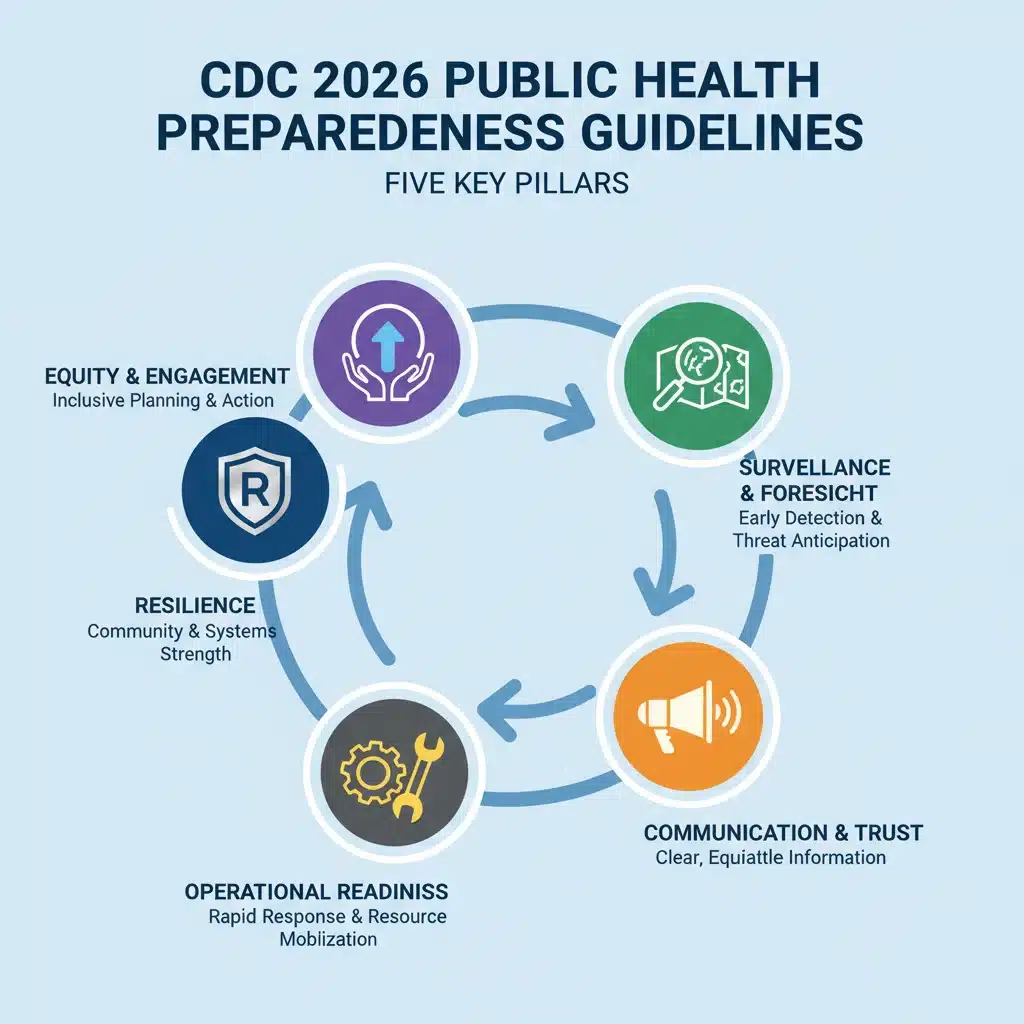
The CDC’s 2026 guidelines for public health preparedness are structured around several key pillars, each designed to strengthen different facets of the national health security framework. These pillars are interdependent, forming a holistic approach to readiness and response. Understanding each component is essential for implementing these guidelines effectively.
1. Community-Level Engagement and Empowerment
At the heart of the new guidelines is an unwavering focus on community-level engagement. This pillar recognizes that communities are not just recipients of public health services but active participants in their own health security. It advocates for the establishment and strengthening of local emergency preparedness committees, involving a diverse range of stakeholders including local government, healthcare providers, schools, businesses, faith-based organizations, and community residents. The goal is to build trust, foster communication channels, and ensure that preparedness plans are reflective of local needs and resources. Empowering communities means providing them with the training, tools, and decision-making authority to act swiftly and effectively during a crisis, thereby enhancing overall public health preparedness.
2. Enhanced Data Surveillance and Early Warning Systems
Accurate, timely data is the bedrock of effective public health response. The 2026 guidelines call for significant investments in advanced data surveillance technologies and early warning systems. This includes leveraging artificial intelligence and machine learning for predictive analytics, integrating diverse data sources (e.g., electronic health records, environmental sensors, social media trends), and establishing robust platforms for data sharing across different levels of government and healthcare systems. The aim is to detect emerging threats faster, track disease outbreaks with greater precision, and disseminate critical information to decision-makers and the public in real-time. Improved data capabilities are paramount for proactive public health preparedness.
3. Integrated Healthcare System Readiness
The new guidelines place a strong emphasis on ensuring that healthcare systems—from hospitals and clinics to pharmacies and long-term care facilities—are fully integrated into preparedness planning. This involves developing comprehensive surge capacity plans, establishing clear protocols for resource allocation during emergencies, and conducting regular drills and exercises to test response capabilities. Furthermore, it stresses the importance of cross-training healthcare professionals, ensuring they possess the skills and knowledge to manage a wide range of public health emergencies. The integration extends to mental health services, recognizing the significant psychological toll that crises can take on individuals and communities, making this a vital aspect of comprehensive public health preparedness.
4. Supply Chain Resilience and Resource Stockpiling
Lessons from recent crises have highlighted vulnerabilities in global supply chains for essential medical supplies, equipment, and pharmaceuticals. The 2026 guidelines advocate for strategies to enhance supply chain resilience, including diversification of sourcing, domestic manufacturing incentives, and strategic stockpiling at regional and national levels. This pillar also addresses the efficient distribution of resources during an emergency, emphasizing logistical planning and the development of flexible distribution networks that can adapt to rapidly changing circumstances. Ensuring access to critical resources is a fundamental component of effective public health preparedness.
5. Risk Communication and Public Education
Effective risk communication is vital for maintaining public trust, promoting desired behaviors, and mitigating panic during a public health emergency. The guidelines underscore the importance of developing clear, consistent, and culturally sensitive communication strategies. This includes leveraging multiple communication channels, combating misinformation, and engaging trusted community leaders as spokespersons. Public education initiatives, both ongoing and during crises, are also highlighted as crucial for empowering individuals to take proactive steps to protect their health and participate in collective response efforts. Transparent and timely communication is a cornerstone of successful public health preparedness.
Implementing the 2026 Guidelines: Challenges and Opportunities
The rollout and implementation of the CDC’s 2026 guidelines for public health preparedness will undoubtedly present both challenges and opportunities. On the one hand, resource constraints, jurisdictional complexities, and the need for significant behavioral changes within organizations can pose formidable obstacles. On the other hand, these guidelines offer a clear roadmap for building a more resilient, equitable, and responsive public health system, fostering innovation and collaboration.
Addressing Resource Allocation and Funding
A significant challenge will be securing adequate funding and ensuring equitable resource allocation. Implementing the comprehensive strategies outlined in the guidelines will require substantial investment at all levels of government. The opportunity lies in demonstrating the long-term cost-effectiveness of proactive preparedness, which can prevent far greater expenditures during and after a crisis. Advocating for sustained, dedicated funding for public health preparedness will be critical.
Overcoming Jurisdictional Complexities
Public health authority is often fragmented across federal, state, and local jurisdictions, leading to potential coordination challenges. The 2026 guidelines emphasize interoperability and seamless collaboration, which presents an opportunity to streamline processes, harmonize policies, and establish clearer lines of communication and command during emergencies. This requires a commitment from all levels of government to work together towards a common goal of enhanced public health preparedness.
Fostering Interagency Collaboration
Effective public health preparedness extends beyond traditional health agencies, requiring collaboration with emergency management, law enforcement, education, and private sector entities. The new guidelines provide an opportunity to formalize and strengthen these interagency partnerships, leading to more coordinated and comprehensive responses. Building these relationships proactively, before a crisis hits, is essential for rapid and effective action.
Leveraging Technology and Innovation
The emphasis on advanced data surveillance and early warning systems creates a significant opportunity to leverage cutting-edge technology. This includes not only AI and machine learning but also telemedicine, remote monitoring, and digital communication platforms. Embracing these innovations can dramatically enhance the speed, reach, and effectiveness of public health interventions, making public health preparedness more agile and adaptive.
Building Public Trust and Engagement
The community-centric approach of the 2026 guidelines offers a unique opportunity to rebuild and strengthen public trust in public health institutions. By actively involving communities in preparedness planning and ensuring transparent communication, health agencies can foster a sense of shared responsibility and collective action. This engagement is crucial for the success of any public health preparedness strategy, as public cooperation is often the deciding factor in effective crisis response.
The Role of Community in Public Health Preparedness
The shift towards a community-centric model is perhaps the most revolutionary aspect of the CDC’s 2026 guidelines. It acknowledges that a nation’s strength in public health preparedness is ultimately a reflection of the resilience and readiness of its individual communities. But what does this mean in practice, and what specific roles can communities play?
Local Emergency Response Teams
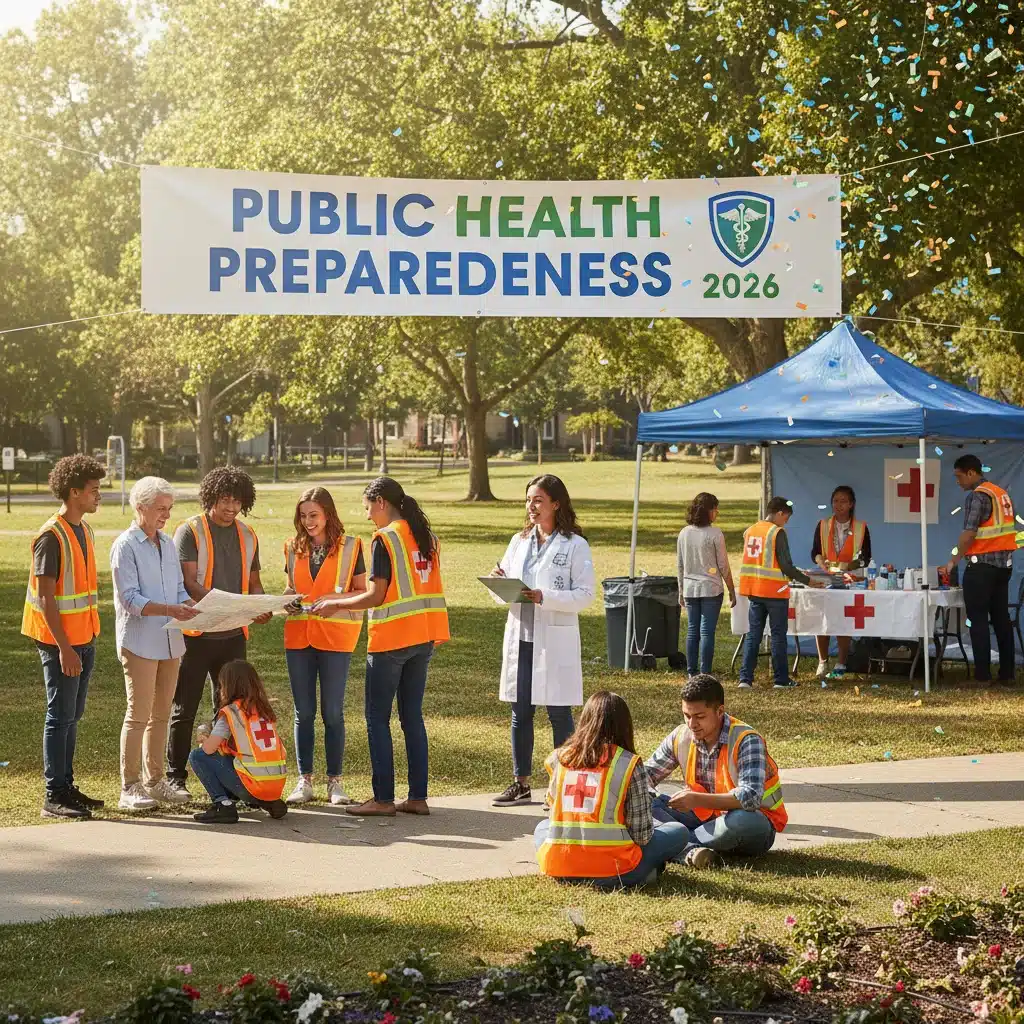
Communities are encouraged to establish and train local emergency response teams, comprising volunteers from various backgrounds. These teams can provide immediate assistance during a crisis, including first aid, logistical support, and community outreach. Regular training and drills are vital to ensure these teams are well-prepared and integrated into broader emergency plans.
Public Health Education and Awareness Campaigns
Local health departments and community organizations can spearhead ongoing public health education campaigns. These campaigns can raise awareness about common health risks, promote healthy behaviors, and educate residents on what to do during specific types of emergencies. Informed communities are empowered communities, significantly enhancing overall public health preparedness.
Vulnerable Population Identification and Support
Communities are best positioned to identify their most vulnerable populations – the elderly, individuals with disabilities, low-income families, or those with chronic health conditions – and develop targeted support systems. This includes creating registries, establishing communication networks, and ensuring access to essential services during a crisis, a critical element of equitable public health preparedness.
Resource Mapping and Sharing
Local communities can map out their available resources, including healthcare facilities, shelters, food banks, and transportation options. This resource mapping facilitates efficient allocation and sharing during emergencies. Furthermore, fostering agreements for inter-community resource sharing can create a robust regional safety net.
Mental Health and Psychosocial Support
Recognizing the psychological impact of emergencies, communities can develop programs for mental health and psychosocial support. This includes training community leaders in psychological first aid, establishing support groups, and ensuring access to professional counseling services when needed. Addressing mental well-being is an integral part of holistic public health preparedness.

Future Outlook: A More Resilient Public Health System
The CDC’s 2026 guidelines for public health preparedness are not merely a set of recommendations; they represent a vision for a more resilient, responsive, and equitable public health system. By prioritizing community-level engagement, leveraging advanced technology, and fostering integrated collaboration, the United States can significantly enhance its capacity to prevent, detect, and respond to public health threats. The success of these guidelines will depend on sustained commitment, innovative thinking, and the collective effort of individuals, communities, and all levels of government.
As we move towards 2026 and beyond, the emphasis on continuous improvement will be paramount. Regular evaluation of preparedness strategies, adaptation to new scientific knowledge, and flexibility in response planning will ensure that the public health system remains agile and effective. The investment in public health preparedness is an investment in the future well-being and security of the nation. It is a proactive step towards building a healthier, safer world where communities are not just prepared to face challenges but are empowered to thrive even in the face of adversity. The journey towards optimal public health preparedness is ongoing, and these new guidelines provide a critical compass for navigating the path ahead.
Ultimately, the effectiveness of the CDC’s 2026 guidelines will be measured not just by their adoption, but by their tangible impact on health outcomes during future emergencies. This requires a cultural shift where preparedness is viewed not as an episodic event, but as an ongoing, integral part of public health practice. From individual citizens taking steps to prepare their households to large governmental agencies coordinating complex responses, every level of society has a role to play in achieving the vision of enhanced public health preparedness. The next few years will be crucial in translating these ambitious guidelines into actionable strategies that make a real difference on the ground, ensuring that the lessons of the past pave the way for a more secure and healthy future for all.