2026 Employee Benefits: Health, Retirement, and PTO Across Industries

Anúncios
The landscape of employee benefits is in constant flux, shaped by economic shifts, evolving workforce expectations, and legislative changes. As we approach 2026, understanding the nuances of compensation and benefits packages becomes paramount for both employers aiming to attract and retain top talent and employees seeking competitive and comprehensive support. This in-depth analysis delves into the projected state of Employee Benefits 2026, focusing on critical areas such as health, retirement, and paid time off (PTO) across three pivotal industries: technology, healthcare, and manufacturing.
The competition for skilled workers remains fierce, and a robust benefits package is often the deciding factor for candidates. Beyond salary, prospective employees are increasingly scrutinizing the quality of health coverage, the generosity of retirement plans, and the flexibility of PTO policies. For businesses, offering an attractive benefits portfolio is not merely an expense but a strategic investment in employee well-being, productivity, and long-term organizational success. This article will provide a data-backed comparison, highlighting industry-specific trends and best practices that will define Employee Benefits 2026.
Anúncios
The Evolving Landscape of Employee Benefits for 2026
The post-pandemic era has significantly reshaped employee expectations. What was once considered a ‘perk’ is now often a ‘necessity.’ Mental health support, flexible work arrangements, and comprehensive family leave policies are no longer niche offerings but mainstream demands. As we look towards Employee Benefits 2026, these trends are expected to solidify further, with companies that fail to adapt risking a significant disadvantage in the talent market.
Key Drivers Shaping Benefits in 2026:
- Inflationary Pressures: Rising costs of living and healthcare will put pressure on employers to increase contributions and enhance coverage to maintain the real value of benefits.
- Generational Shifts: The growing influence of Gen Z and Millennials in the workforce means a greater demand for benefits that support work-life integration, personal development, and social responsibility.
- Technological Advancements: AI and data analytics will play an even larger role in personalizing benefits, streamlining administration, and providing insights into employee preferences and utilization.
- Regulatory Changes: Potential new legislation regarding healthcare, retirement savings, or worker classifications could significantly alter benefits requirements and offerings.
- Focus on Holistic Well-being: Beyond physical health, there’s an increasing emphasis on mental, emotional, and financial well-being, leading to a broader array of support services.
Understanding these macro trends is crucial before diving into industry-specific comparisons. The foundational elements of Employee Benefits 2026 will be built upon these overarching forces, dictating how different sectors adapt their strategies to remain competitive and supportive of their workforce.
Health Benefits: A Cornerstone of Employee Well-being in 2026
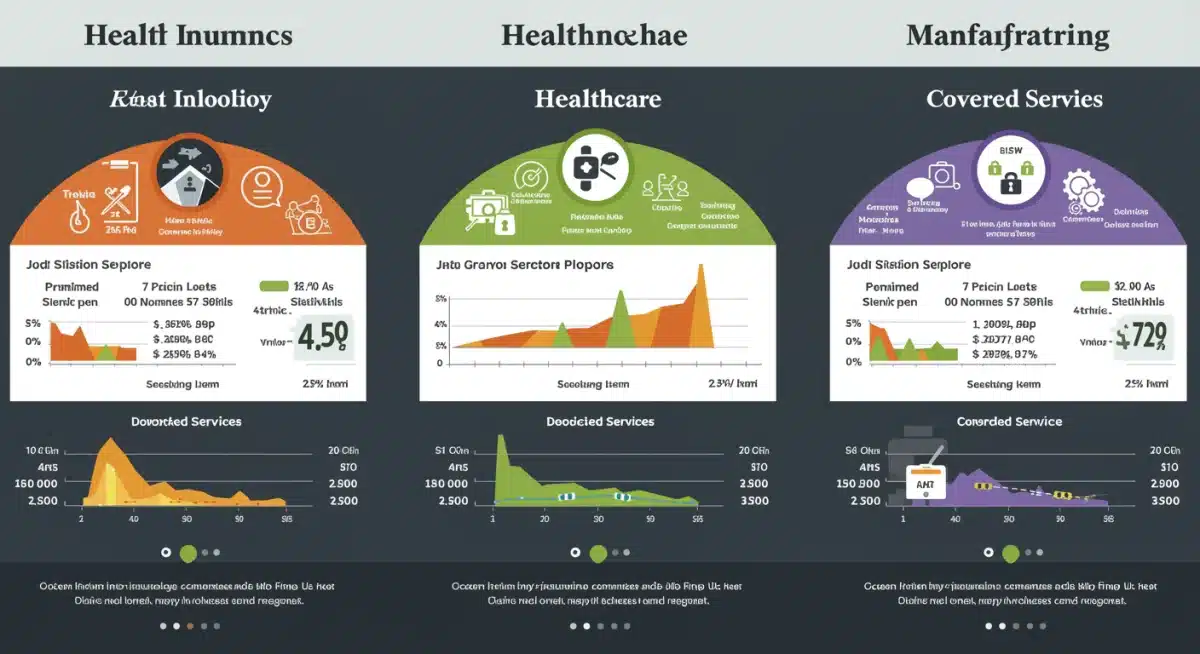
Health insurance remains the most valued employee benefit, and its importance is only set to grow in 2026. The rising cost of healthcare continues to be a major concern for both employers and employees. Companies are exploring innovative ways to provide comprehensive coverage while managing expenses. This section will compare projected health benefit offerings across the technology, healthcare, and manufacturing sectors, highlighting key differences and commonalities.
Technology Industry: Cutting-Edge Health Solutions
The tech industry, known for its innovation and competitive talent market, is expected to lead in offering advanced and flexible health benefits in 2026. Expect to see:
- Premium PPO/HMO Plans: High-quality plans with lower deductibles and out-of-pocket maximums are standard.
- Telemedicine & Virtual Care: Extensive access to virtual consultations, mental health therapy, and specialist referrals will be commonplace, often integrated with wearable tech data.
- Mental Health & Well-being Apps: Subscriptions to mental wellness platforms, meditation apps, and digital coaching services are widely offered.
- On-site Clinics & Wellness Programs: Larger tech companies may continue to offer on-site medical facilities, fitness centers, and comprehensive wellness challenges.
- Fertility & Family Planning: Robust coverage for fertility treatments, adoption assistance, and parental leave support will be a key differentiator.
The emphasis here is on convenience, cutting-edge solutions, and holistic support, reflecting the tech workforce’s demand for integrated well-being resources. The competitive nature of attracting and retaining tech talent means that these companies are often willing to invest more heavily in their health benefits, setting a high bar for Employee Benefits 2026.
Healthcare Industry: Leading by Example (Mostly)
It might seem intuitive that the healthcare industry would offer the best health benefits, and while often true, there are unique challenges. In 2026, healthcare providers will likely:
- Comprehensive Medical, Dental, Vision: Expect very strong core coverage, often with multiple plan options.
- Employee Assistance Programs (EAPs): Enhanced EAPs specifically designed to address the high-stress environment of healthcare workers, offering counseling and support.
- Preventive Care Focus: Strong emphasis on preventive screenings, vaccinations, and chronic disease management programs, often at no cost to employees.
- Specialized Programs: Access to specialized medical services within their own network, potentially with discounted rates.
- Burnout Support: Specific programs and resources aimed at combating healthcare worker burnout, including resilience training and peer support groups.
While comprehensive, the healthcare sector sometimes faces the challenge of managing costs while providing top-tier benefits to its own employees, who are keenly aware of healthcare expenses. Their Employee Benefits 2026 packages will balance extensive coverage with cost-management strategies, often leveraging their own institutional resources.
Manufacturing Industry: Balancing Cost and Coverage
The manufacturing sector, often operating on tighter margins and with a diverse workforce, approaches health benefits with a focus on core coverage and cost-effectiveness. For 2026, expect to see:
- High-Deductible Health Plans (HDHPs) with HSAs: A common offering, often paired with employer contributions to Health Savings Accounts (HSAs) to help offset out-of-pocket costs.
- Basic PPO/HMO Options: More traditional, often less expensive, PPO or HMO plans providing essential coverage.
- Wellness Incentives: Programs that reward employees for participating in health assessments, smoking cessation, or weight management.
- On-site Occupational Health: Many manufacturing facilities will have robust occupational health services, addressing work-related injuries and providing basic medical care.
- Telehealth Access: Growing adoption of telehealth services to provide convenient access to care, especially for employees in remote locations.
The manufacturing industry’s approach to Employee Benefits 2026 will prioritize broad access to essential care while using cost-sharing mechanisms and wellness incentives to manage premiums and employee engagement. The focus is on ensuring a healthy and productive workforce without disproportionately impacting operational budgets.
Retirement Plans: Securing the Future in 2026
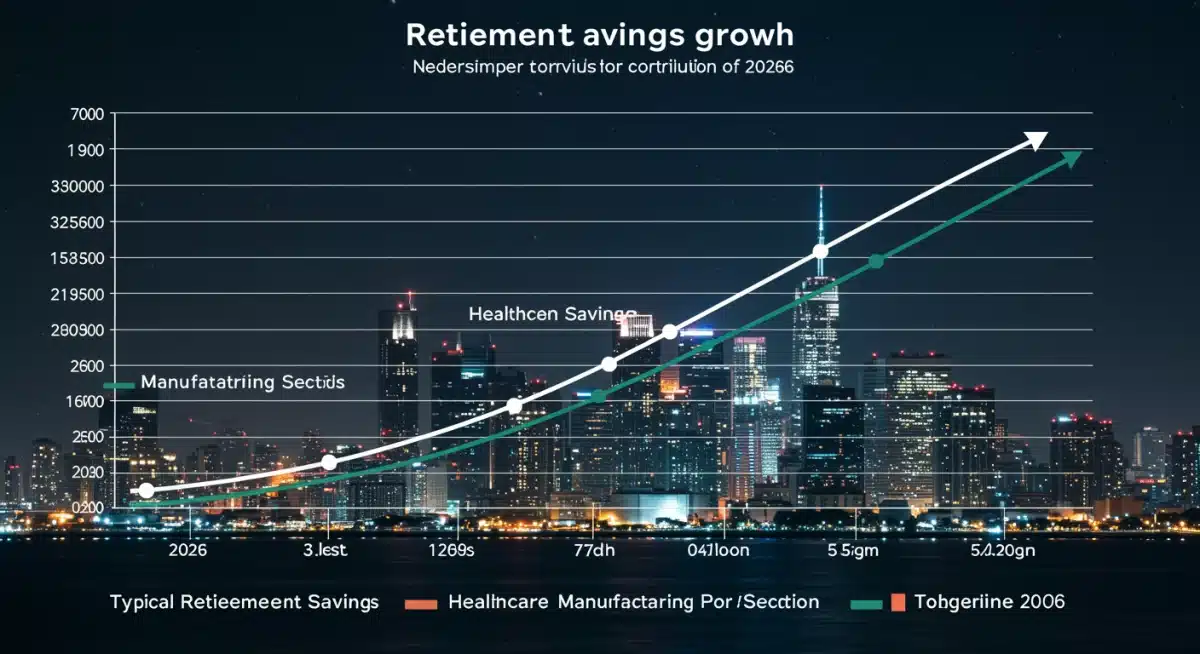
Retirement savings are a critical component of financial well-being, and employers recognize their role in helping employees prepare for the future. The structure and generosity of retirement plans vary significantly by industry. For Employee Benefits 2026, we anticipate continued emphasis on matching contributions, financial literacy, and diverse investment options.
Technology Industry: Aggressive Contributions & Financial Wellness
Tech companies often lead with generous retirement benefits to attract and retain highly sought-after talent. In 2026, expect:
- Strong 401(k) Matching: Common offerings include 100% match up to 6% of salary, sometimes even higher, with immediate vesting or very short vesting schedules.
- Mega Backdoor Roth & After-Tax Contributions: Sophisticated options for high-earning employees to save more for retirement.
- Financial Wellness Programs: Comprehensive financial planning resources, including access to financial advisors, seminars on investment strategies, and debt management tools.
- Equity & Stock Options: While not strictly a retirement plan, stock options and Restricted Stock Units (RSUs) are a significant part of long-term wealth building in tech, contributing implicitly to retirement security.
- Alternative Investment Options: Some larger firms might offer access to more diverse investment vehicles beyond traditional mutual funds.
The tech sector’s approach to Employee Benefits 2026 regarding retirement is characterized by high employer contributions and a strong focus on empowering employees through financial education and diverse saving mechanisms, aligning with the industry’s generally higher compensation levels.
Healthcare Industry: Steady & Reliable Retirement Support
Healthcare organizations typically offer solid, if not always groundbreaking, retirement benefits. For 2026, trends will include:
- Competitive 403(b) or 401(k) Plans: Most organizations offer either 403(b) (for non-profits) or 401(k) plans with respectable employer matching contributions, often in the 3-5% range.
- Defined Benefit Plans (Pensions): While less common, some older or larger healthcare systems may still offer traditional pension plans, albeit often frozen or modified.
- Financial Education: Access to basic financial planning resources and seminars, particularly focused on retirement readiness.
- Vesting Schedules: Standard vesting schedules (e.g., 3-5 years) are common, encouraging long-term employee commitment.
The healthcare industry’s Employee Benefits 2026 for retirement will emphasize stability and reliability, providing a dependable foundation for employees’ financial futures. The focus is on consistent contributions and accessible planning resources, catering to a workforce that values long-term security.
Manufacturing Industry: Core Retirement Savings with Growth Potential
Manufacturing companies vary widely in their retirement offerings, but generally provide core savings vehicles. In 2026, expect:
- 401(k) Plans with Employer Match: Standard 401(k) plans with employer matching contributions, typically in the 2-4% range, are common.
- Profit-Sharing Contributions: Some companies may offer profit-sharing components, where a portion of company profits is contributed to employee retirement accounts.
- Basic Investment Options: A selection of diversified mutual funds and target-date funds for employees to choose from.
- Retirement Planning Workshops: Occasional workshops or access to online tools to help employees understand their retirement options and plan for the future.
For the manufacturing sector, Employee Benefits 2026 in retirement will focus on providing accessible 401(k) options with a reasonable employer match, aiming to encourage broad participation and provide a solid foundation for retirement savings. The emphasis is on practical, foundational support rather than cutting-edge financial instruments.
Paid Time Off (PTO): Flexibility and Work-Life Balance in 2026
Paid Time Off (PTO) has become a crucial indicator of a company’s commitment to employee well-being and work-life balance. In 2026, the demand for flexible and generous PTO policies will continue to grow, influenced by a greater appreciation for personal time and mental health. This section compares PTO trends across our three industries.
Technology Industry: Unlimited PTO & Flexible Leave
The tech industry often pioneers innovative PTO policies, with ‘unlimited’ or ‘flexible’ PTO being a popular, albeit sometimes debated, offering. For 2026, expect:
- Unlimited PTO: Many tech companies will continue to offer unlimited PTO, trusting employees to manage their time effectively. The success of this model often depends on company culture and leadership encouragement.
- Generous Parental Leave: Extended paid parental leave for all parents (birth, adoption, foster) will be a standard, often ranging from 12-20 weeks or more.
- Sabbaticals: Longer-tenured employees may be eligible for paid sabbaticals, encouraging rejuvenation and skill development.
- Mental Health Days: Explicitly designated mental health days or the encouragement to use PTO for mental well-being breaks.
- Bereavement & Caregiver Leave: Comprehensive leave policies to support employees during personal crises or when caring for family members.
The tech sector’s approach to Employee Benefits 2026 regarding PTO is centered on trust, flexibility, and extensive support for life events, reflecting a culture that values autonomy and work-life integration. This strategy aims to attract and retain highly independent and self-motivated individuals.
Healthcare Industry: Structured PTO & Burnout Prevention
Healthcare, with its critical staffing needs, often has more structured PTO policies but is increasingly recognizing the need for adequate rest to prevent burnout. In 2026, anticipate:
- Accrued PTO Banks: A combined bank of hours for vacation, sick time, and personal days, typically accruing based on tenure.
- Standard Vacation Allotments: Entry-level employees might start with 2-3 weeks, increasing with seniority, often capped at 4-5 weeks.
- Sick Leave & Family Medical Leave: Robust sick leave policies and adherence to FMLA (Family and Medical Leave Act) guidelines, often supplemented by employer-specific family leave.
- Bereavement Leave: Standard bereavement leave policies.
- Emphasis on Taking Time Off: Growing campaigns and managerial encouragement to ensure employees actually utilize their accrued PTO to combat burnout.
For the healthcare industry, Employee Benefits 2026 for PTO will balance the operational demands of patient care with the critical need for employee rest and recuperation. While often more structured, there will be a strong emphasis on ensuring employees can and do take their earned time off to maintain well-being.
Manufacturing Industry: Traditional PTO Structures
The manufacturing sector generally adheres to more traditional PTO structures due to operational needs and scheduling complexities. In 2026, expect:
- Separate Vacation & Sick Leave: Often separate allocations for vacation days (e.g., 1-2 weeks initially, increasing with tenure) and sick days (e.g., 5-10 days per year).
- Paid Holidays: Standard federal or company-observed holidays.
- Personal Days: A limited number of personal days (e.g., 2-3) often provided for appointments or personal matters.
- Bereavement Leave: Standard policies for bereavement.
- Shift-Based Considerations: PTO policies may be adapted to accommodate shift work and production schedules, potentially requiring more advance notice.
The manufacturing industry’s Employee Benefits 2026 for PTO will be characterized by clear, structured policies that ensure operational continuity while providing employees with necessary time off. The focus is on predictability and fairness within a production-driven environment.
Beyond the Core: Emerging Benefits and Trends for 2026
While health, retirement, and PTO form the bedrock of employee benefits, several other categories are gaining prominence and will be significant in Employee Benefits 2026. These ‘ancillary’ benefits often play a crucial role in differentiating employers and appealing to a diverse workforce.
Financial Wellness Programs (Beyond Retirement)
The focus on financial health extends beyond just retirement savings. In 2026, more companies across all sectors will offer:
- Student Loan Repayment Assistance: Particularly appealing to younger demographics, some employers will offer direct contributions or refinancing support.
- Emergency Savings Funds: Programs that help employees build an emergency fund through payroll deductions or employer contributions.
- Financial Coaching & Budgeting Tools: Access to personalized financial advice and digital tools to manage budgets, debt, and savings.
Professional Development & Education
Investing in employee growth is a win-win. For Employee Benefits 2026, expect:
- Tuition Reimbursement: Continued strong offerings for higher education and certification programs.
- Skills Training & Upskilling: Internal and external training programs to keep employees’ skills current, especially crucial in rapidly evolving industries like tech and manufacturing.
- Mentorship Programs: Structured programs to foster career growth and knowledge transfer.
Family Support Benefits
As the workforce continues to juggle professional and family responsibilities, family-focused benefits will be key:
- Childcare & Elder Care Subsidies: Financial assistance or access to networks of providers for childcare and elder care.
- Backup Care Services: Emergency backup care for dependents when regular arrangements fall through.
- Parental Leave & Family Leave: Continued expansion and enhancement of paid leave for new parents and those caring for sick family members.
Flexibility & Work-Life Integration
The desire for flexibility isn’t waning. Employee Benefits 2026 will see continued emphasis on:
- Remote/Hybrid Work Options: While some companies are calling employees back to the office, hybrid models will remain prevalent, offering flexibility.
- Flexible Work Hours: Allowing employees to adjust their start and end times to better suit personal needs.
- Compressed Workweeks: Offering employees the option to work full-time hours in fewer days.
Strategic Implications for Employers and Employees in 2026
For employers, staying competitive with Employee Benefits 2026 requires a strategic, data-driven approach. It’s no longer about offering a standard package but tailoring benefits to the specific needs and demographics of the workforce. Regular benefits audits, employee surveys, and benchmarking against industry peers are essential. Furthermore, effective communication of the value of benefits is critical; many employees underestimate the total compensation they receive when benefits are included.
For employees, understanding the full scope of your benefits package in 2026 is crucial for financial planning and overall well-being. Don’t just look at the salary; evaluate the health insurance coverage, retirement plan matching, PTO policies, and any ancillary benefits that align with your personal and family needs. A seemingly lower salary with superior benefits might offer more long-term value than a higher salary with minimal benefits.
Conclusion: Navigating Employee Benefits 2026 with Confidence
The world of Employee Benefits 2026 is dynamic and complex, reflecting broader societal and economic trends. While the technology industry often leads with innovative and generous offerings, the healthcare and manufacturing sectors are continuously adapting to provide competitive and meaningful support to their employees. Health, retirement, and PTO remain the pillars, but a growing array of additional benefits focused on holistic well-being, financial literacy, and work-life balance will define the most attractive packages.
Employers who proactively analyze these trends, listen to their workforce, and strategically invest in comprehensive benefits will not only attract the best talent but also foster a loyal, productive, and satisfied employee base. For employees, being informed about these industry-specific benchmarks empowers them to make better career decisions and advocate for benefits that truly meet their needs. As we move closer to 2026, the focus will increasingly be on personalized, flexible, and value-driven benefits that contribute to both individual flourishing and organizational success.