Economic Forecast 2026: Experts Predict 3.2% GDP Growth Amidst Global Shifts
Anúncios
Economic Forecast 2026: Experts Predict 3.2% GDP Growth Amidst Global Shifts
As we navigate the complexities of the global economy, the anticipation for future trends intensifies. The latest Economic Forecast 2026 presents a cautiously optimistic outlook, with leading economists projecting a global GDP growth of 3.2%. This prediction, while signaling a steady recovery and resilience, is tempered by an array of evolving global shifts, from geopolitical tensions to rapid technological advancements. Understanding the nuances of this forecast is crucial for businesses, policymakers, and individuals alike, as it shapes investment strategies, policy decisions, and personal financial planning. This comprehensive analysis delves deep into the factors underpinning the Economic Forecast 2026, exploring key drivers, regional disparities, potential headwinds, and opportunities that lie ahead.
Anúncios
The Global Economic Landscape: A Broad Overview for 2026
The global economy in 2026 is expected to be characterized by a multifaceted environment where stability and dynamism coexist. Following a period of significant volatility driven by supply chain disruptions, inflationary pressures, and geopolitical conflicts, the Economic Forecast 2026 suggests a gradual normalization. The projected 3.2% GDP growth is a testament to the adaptive capacity of economies worldwide, yet it also underscores the ongoing need for strategic foresight and agile responses to emerging challenges. This growth is not uniform across all regions and sectors, necessitating a granular examination of the underlying forces at play.
Several key themes are anticipated to define the economic landscape. Firstly, the continued easing of inflationary pressures, though at varying rates globally, is expected to provide central banks with more flexibility in their monetary policy decisions. Secondly, technological innovation, particularly in areas like artificial intelligence, renewable energy, and biotechnology, will serve as a significant engine for productivity growth and new market creation. Thirdly, geopolitical realignments and their impact on trade, investment, and energy markets will remain a critical factor influencing economic stability and growth trajectories. Finally, climate change and the imperative for sustainable development will increasingly shape investment patterns and regulatory frameworks, driving a transition towards greener economies.
Key Drivers of the 3.2% GDP Growth in the Economic Forecast 2026
The optimistic projection of 3.2% global GDP growth in the Economic Forecast 2026 is not arbitrary; it is predicated on several robust drivers. These drivers span various economic dimensions, from consumer behavior to government policies and technological breakthroughs.
Resilient Consumer Spending and Investment
Despite past economic shocks, consumer spending has demonstrated remarkable resilience in many advanced and emerging economies. As inflation moderates and labor markets remain relatively strong, household purchasing power is expected to stabilize and potentially increase, fueling demand for goods and services. Furthermore, business investment, particularly in digitalization and automation, is anticipated to pick up as companies seek to enhance efficiency, reduce costs, and gain a competitive edge. This reinvestment cycle is crucial for sustained economic expansion.
Technological Advancements and Productivity Gains
The accelerating pace of technological innovation is arguably one of the most powerful drivers of the Economic Forecast 2026. Artificial intelligence, machine learning, and automation are not merely buzzwords; they are transforming industries, creating new business models, and significantly boosting productivity. For instance, AI-driven analytics can optimize supply chains, while automation can streamline manufacturing processes. These advancements lead to higher output per worker, which is a fundamental component of sustainable economic growth.
Moderating Inflation and Stabilizing Monetary Policies
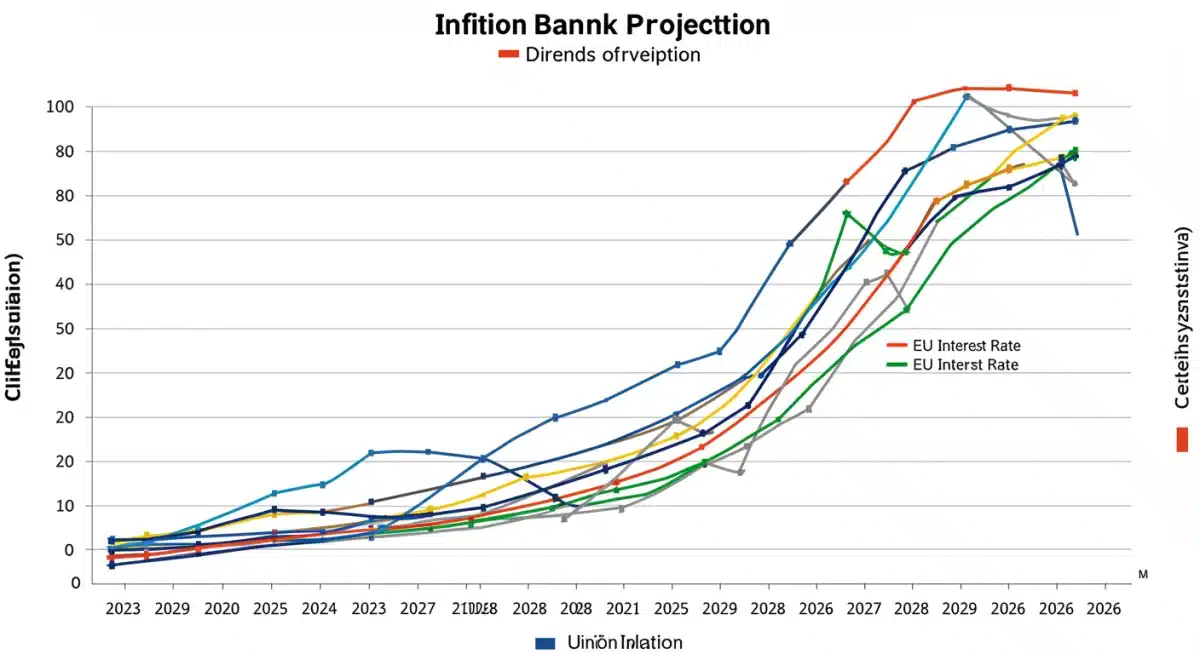
The aggressive monetary tightening cycles initiated by central banks globally in response to surging inflation are expected to yield results by 2026. As inflation rates gradually converge towards central bank targets, the need for further significant interest rate hikes may diminish. This stabilization in monetary policy provides greater certainty for businesses and consumers, encouraging investment and long-term planning. The ability of central banks to deftly manage this transition will be pivotal in maintaining economic momentum without triggering a recession.
Government Initiatives and Infrastructure Spending
Many governments worldwide are continuing to implement fiscal policies aimed at stimulating economic activity and addressing long-term structural challenges. Large-scale infrastructure projects, investments in green energy, and support for critical industries are expected to provide a significant boost to demand and employment. These initiatives not only generate immediate economic activity but also lay the groundwork for future productivity gains and enhanced competitiveness. The focus on sustainable infrastructure, in particular, aligns with global efforts to combat climate change, creating a dual benefit.
Regional Economic Outlooks: A Disparate Picture
While the global Economic Forecast 2026 paints an overall picture of 3.2% GDP growth, the reality on the ground will vary significantly by region. Each continent and major economy faces a unique set of opportunities and challenges that will influence its individual growth trajectory.
North America: Sustained Growth with Inflationary Vigilance
The United States and Canada are projected to maintain steady growth, albeit at a slower pace than the post-pandemic surge. Robust labor markets, strong consumer demand, and ongoing technological innovation will be key drivers. However, central banks will remain vigilant against any resurgence of inflation, potentially keeping interest rates at elevated levels for longer than some anticipate. The stability of the financial sector and the ability to attract global talent will also be critical for sustaining growth in this region.
Europe: Navigating Energy Transitions and Geopolitical Headwinds
Europe’s economic outlook for 2026 is more complex, influenced by the ongoing energy transition, the geopolitical situation in Eastern Europe, and structural challenges within some member states. While the easing of energy prices and strong investment in renewable technologies will provide some tailwinds, the region will need to manage inflationary pressures, labor market rigidities, and the impact of global trade shifts. The success of the European Union’s green deal initiatives will be a significant factor in its economic performance.
Asia: The Engine of Global Growth with Diversifying Strategies
Asia is expected to remain the primary engine of global growth in 2026. China, despite facing structural adjustments in its property sector and demographic shifts, will continue to contribute significantly to global GDP. India is poised for strong growth, driven by domestic demand, government reforms, and increasing foreign investment. Southeast Asian economies will benefit from diversified manufacturing bases and growing regional trade. The region’s ability to navigate trade tensions and maintain supply chain resilience will be crucial for its continued success.
Latin America: Commodity Dependence and Structural Reforms
Latin America’s Economic Forecast 2026 is heavily influenced by commodity prices and the success of structural reforms. Countries rich in natural resources may benefit from sustained global demand, while others will need to implement policies that foster diversification, improve institutional stability, and attract long-term investment. Addressing social inequalities and enhancing infrastructure will be key challenges and opportunities for the region.
Africa: Tapping into Demographic Dividends and Digital Transformation
Africa holds immense potential for growth in 2026, driven by its youthful population, increasing urbanization, and rapid digital transformation. Investments in infrastructure, education, and healthcare, coupled with regional trade integration, could unlock significant economic dividends. However, political stability, governance improvements, and access to finance will be critical factors in realizing this potential. The continent’s role in the global supply chain, particularly for critical minerals, is also gaining prominence.
Potential Headwinds and Risks to the Economic Forecast 2026
While the Economic Forecast 2026 is generally positive, it is essential to acknowledge the significant headwinds and risks that could derail the projected 3.2% GDP growth. These challenges require careful monitoring and proactive management by policymakers and businesses.
Geopolitical Instability and Fragmentation
Ongoing geopolitical tensions, including conflicts in Eastern Europe and the Middle East, as well as heightened competition between major global powers, pose a substantial risk. These events can disrupt supply chains, increase energy and commodity prices, and deter international investment. Furthermore, the trend towards economic fragmentation, with countries prioritizing national security and self-reliance over global integration, could lead to reduced trade and slower innovation.
Persistent Inflationary Pressures
Despite expectations of moderating inflation, there is a risk that price pressures could prove more persistent than anticipated. Factors such as tight labor markets, continued wage growth, and unforeseen supply shocks could keep inflation above central bank targets, forcing a more hawkish monetary policy stance. This could lead to higher borrowing costs, dampening investment and consumer spending, and potentially triggering a recession.
Financial Market Volatility
Global financial markets remain sensitive to economic data, central bank communications, and geopolitical developments. A sudden increase in interest rates, unexpected corporate defaults, or a crisis in a major financial institution could trigger significant market volatility, impacting investment flows and consumer confidence. The high levels of global debt, both public and private, also present a vulnerability.
Climate Change and Environmental Disasters
The increasing frequency and intensity of climate-related disasters pose a growing economic threat. Floods, droughts, heatwaves, and storms can disrupt agricultural production, damage infrastructure, and displace populations, leading to significant economic losses. The transition to a green economy, while necessary, also presents challenges in terms of investment costs and potential job displacement in traditional industries.
Opportunities and Strategic Imperatives for 2026
Amidst the challenges, the Economic Forecast 2026 also highlights significant opportunities for growth and development. Capitalizing on these opportunities requires strategic planning, innovation, and adaptive policies.
Embracing Digital Transformation and AI
Businesses that embrace digital transformation and harness the power of artificial intelligence are likely to be the frontrunners in 2026. Investing in AI-driven solutions can enhance operational efficiency, personalize customer experiences, and unlock new revenue streams. Governments can support this by fostering digital literacy, investing in digital infrastructure, and creating regulatory frameworks that encourage innovation while mitigating risks.
Investing in Renewable Energy and Sustainability
The global push towards sustainability and renewable energy presents a massive investment opportunity. Companies and nations that lead in green technologies, sustainable manufacturing, and circular economy principles will gain a competitive advantage. This includes not only direct investments in solar, wind, and hydro power but also in energy storage solutions, smart grids, and sustainable agricultural practices.
Reshaping Global Supply Chains
The lessons learned from recent supply chain disruptions are prompting a re-evaluation of global manufacturing and distribution networks. Companies are increasingly looking to diversify their supply bases, nearshore or reshore production, and build greater resilience into their operations. This trend creates opportunities for regions and countries that can offer stable political environments, skilled labor, and efficient logistics infrastructure.
Focus on Human Capital Development
In an era of rapid technological change, investing in human capital is more critical than ever. Education and training programs that equip workers with skills for the future economy – particularly in STEM fields, digital literacy, and critical thinking – will be essential. Governments and businesses must collaborate to address skill gaps and foster a culture of lifelong learning to ensure a productive and adaptable workforce.
Implications for Businesses and Investors in 2026
The insights from the Economic Forecast 2026 carry significant implications for businesses and investors as they plan for the medium term. Navigating this landscape successfully requires a blend of caution, adaptability, and strategic boldness.
Strategic Planning and Risk Management
Businesses should integrate the Economic Forecast 2026 into their strategic planning processes, conducting scenario analyses to prepare for various potential outcomes. Robust risk management frameworks, particularly concerning supply chain resilience, cybersecurity, and geopolitical exposures, will be paramount. Diversifying markets and suppliers can help mitigate localized shocks.
Innovation and Digital Investment
Companies that prioritize innovation and invest in digital technologies will be better positioned to thrive. This includes not only adopting new technologies but also fostering an organizational culture that embraces change and continuous improvement. Digital transformation is no longer an option but a necessity for maintaining competitiveness.
ESG Considerations
Environmental, Social, and Governance (ESG) factors will continue to grow in importance. Investors are increasingly scrutinizing companies’ ESG performance, and consumers are favoring brands with strong sustainability credentials. Integrating ESG principles into core business strategies can enhance reputation, attract capital, and open new market opportunities.
Agile and Flexible Operations
The ability to adapt quickly to changing market conditions will be a key differentiator. Businesses should focus on building agile operations, flexible workforces, and scalable infrastructure. This allows for rapid pivots in response to economic shifts, technological breakthroughs, or unforeseen disruptions.
Conclusion: A Balanced Outlook for 2026
The Economic Forecast 2026, projecting a 3.2% global GDP growth, offers a balanced perspective on the future. It is a testament to the enduring dynamism of the global economy and the capacity for innovation and adaptation. While challenges such as geopolitical instability, persistent inflation, and climate change remain significant, they are met with substantial opportunities in technological advancement, sustainable development, and resilient supply chains.
For individuals, businesses, and governments, the imperative is clear: proactive engagement, strategic investment, and a commitment to adaptability will be crucial. Understanding the intricate interplay of global forces, leveraging technological advancements, and fostering sustainable practices will not only help navigate the complexities of 2026 but also lay the groundwork for a more prosperous and resilient future. The path ahead requires vigilance, but the overall outlook suggests that with prudent management and innovative spirit, the global economy can achieve steady and meaningful growth.