Breaking: New Federal Cybersecurity Mandates Expected to Impact 75% of U.S. Businesses by Q3 2026
The digital landscape is constantly evolving, and with it, the threats posed by cybercriminals. In response to a surge in sophisticated cyberattacks targeting critical infrastructure and private enterprises, the U.S. government is taking decisive action. New Federal Cybersecurity Mandates are on the horizon, poised to fundamentally reshape how businesses protect their digital assets. Experts predict that these comprehensive regulations will directly impact a staggering 75% of U.S. businesses by the third quarter of 2026. This isn’t merely an update; it’s a paradigm shift requiring immediate attention and strategic planning from organizations across virtually every sector.
For many businesses, the phrase “federal mandates” can evoke a sense of dread, conjuring images of complex legal jargon, burdensome compliance costs, and operational disruptions. However, these impending Federal Cybersecurity Mandates are not just about regulation; they are about resilience. They aim to establish a baseline of robust security practices that will fortify the nation’s economic infrastructure against an increasingly hostile cyber environment. Ignoring these mandates is not an option; proactive engagement is the only path to continued operation and success in the modern digital economy.
Anúncios
Understanding the Scope of the New Federal Cybersecurity Mandates
The forthcoming Federal Cybersecurity Mandates are anticipated to be broad in their application, extending far beyond the traditional scope of government contractors or highly regulated industries. While specific details are still emerging, early indications suggest that these mandates will target businesses based on factors such as their size, the type of data they handle (e.g., personally identifiable information, critical infrastructure data), and their interconnectedness within the national economy. This expansive reach means that small and medium-sized businesses (SMBs), often perceived as less attractive targets than large corporations, will also need to re-evaluate their security postures.
The core objective of these new Federal Cybersecurity Mandates is to create a more unified and elevated standard of cybersecurity across the U.S. business landscape. This involves moving away from a fragmented approach where security is often an afterthought or a reactive measure, towards a proactive, risk-managed framework. Businesses will likely be required to implement specific technical controls, adopt certain organizational policies, and demonstrate continuous adherence through regular assessments and reporting. The emphasis will be on creating a culture of security, embedded throughout the organization, rather than simply checking off a list of requirements.
Historically, cybersecurity regulations have often been sectoral, focusing on industries like finance (e.g., GLBA), healthcare (e.g., HIPAA), or critical infrastructure (e.g., NIST frameworks for federal agencies). The new Federal Cybersecurity Mandates appear to be taking a more horizontal approach, aiming to lift the entire baseline of cybersecurity across a vast swath of the economy. This shift is crucial because cyber threats do not respect industry boundaries. A breach in one sector can have ripple effects, impacting supply chains, interconnected systems, and consumer trust across multiple industries. Therefore, a comprehensive, national strategy is imperative.
Who Will Be Affected by the Federal Cybersecurity Mandates?
The projection that 75% of U.S. businesses will be impacted by Q3 2026 is a significant figure, underscoring the widespread nature of these new Federal Cybersecurity Mandates. While the exact criteria for inclusion are still being finalized, it’s reasonable to infer that the mandates will likely apply to:
- Businesses handling sensitive data: Any organization that collects, processes, or stores personally identifiable information (PII), protected health information (PHI), financial data, or other sensitive customer/employee data will almost certainly fall under the purview of these mandates.
- Critical infrastructure sectors: Companies operating in energy, water, communications, transportation, healthcare, and other essential services will face heightened scrutiny and more stringent requirements.
- Government contractors and supply chains: Businesses that contract with federal agencies, or are part of the supply chain for such contractors, will need to meet these standards to maintain their eligibility and contracts.
- Businesses with significant economic impact: Larger enterprises, and even some SMBs whose disruption could have broader economic consequences, will likely be included.
- Any business with a significant online presence or digital operations: In today’s interconnected world, this covers a vast majority of businesses.
It’s crucial for businesses to begin assessing their current cybersecurity posture and understanding their potential exposure to these forthcoming Federal Cybersecurity Mandates. Waiting until the last minute will likely prove to be a costly and chaotic endeavor.
Key Pillars of Anticipated Federal Cybersecurity Mandates
While the definitive text of the new Federal Cybersecurity Mandates is yet to be fully released, informed speculation, based on current legislative trends and expert discussions, points to several key areas that will likely form the foundation of these regulations. Businesses should prepare to address these pillars proactively:
1. Risk Management Frameworks
Expect a strong emphasis on adopting and implementing robust cybersecurity risk management frameworks. This will likely involve requirements for regular risk assessments, identification of critical assets, evaluation of threats and vulnerabilities, and the development of strategies to mitigate identified risks. Frameworks like NIST Cybersecurity Framework (CSF) are often cited as best practices and could serve as a model or a mandated baseline for these new Federal Cybersecurity Mandates. This means moving beyond simple compliance checklists to a more dynamic, adaptive approach to security.
2. Incident Reporting and Response
Timely and comprehensive incident reporting is expected to be a cornerstone. Businesses will likely be required to report significant cyber incidents to a designated federal agency within a specified timeframe. Beyond reporting, the mandates will undoubtedly necessitate the development and regular testing of incident response plans. This includes clear procedures for detection, containment, eradication, recovery, and post-incident analysis. The goal is to improve collective intelligence on threats and ensure rapid, coordinated responses.
3. Data Protection and Privacy
Given the increasing value and vulnerability of data, enhanced data protection and privacy measures will be central to the Federal Cybersecurity Mandates. This could include requirements for data encryption, access controls, data minimization, and secure data storage practices. While separate from privacy laws like CCPA or GDPR, these mandates will likely reinforce the technical and organizational safeguards necessary to protect sensitive information, aligning with broader privacy concerns.
4. Supply Chain Security
The SolarWinds attack and other high-profile incidents have highlighted the critical vulnerabilities within supply chains. The new Federal Cybersecurity Mandates are expected to place significant responsibility on organizations to assess and manage the cybersecurity risks posed by their third-party vendors, suppliers, and service providers. This could involve contractual obligations for vendors to meet certain security standards, regular audits, and robust vendor risk management programs. Businesses will no longer be able to claim ignorance of their partners’ security postures.
5. Cybersecurity Training and Awareness
Human error remains a leading cause of security breaches. Therefore, mandatory, regular cybersecurity training and awareness programs for all employees are a probable component of the Federal Cybersecurity Mandates. This training would cover topics such as phishing awareness, strong password practices, social engineering tactics, and the importance of adhering to organizational security policies. A well-informed workforce is the first line of defense against many cyber threats.
6. Technical Controls and Best Practices
While frameworks provide a high-level structure, the mandates will likely stipulate specific technical controls. These could include multi-factor authentication (MFA), regular vulnerability scanning and penetration testing, endpoint detection and response (EDR) solutions, robust backup and recovery systems, network segmentation, and secure configuration management. These are not novel concepts but are often inconsistently applied across businesses. The mandates aim to standardize their implementation.
Preparing Your Business for the Federal Cybersecurity Mandates
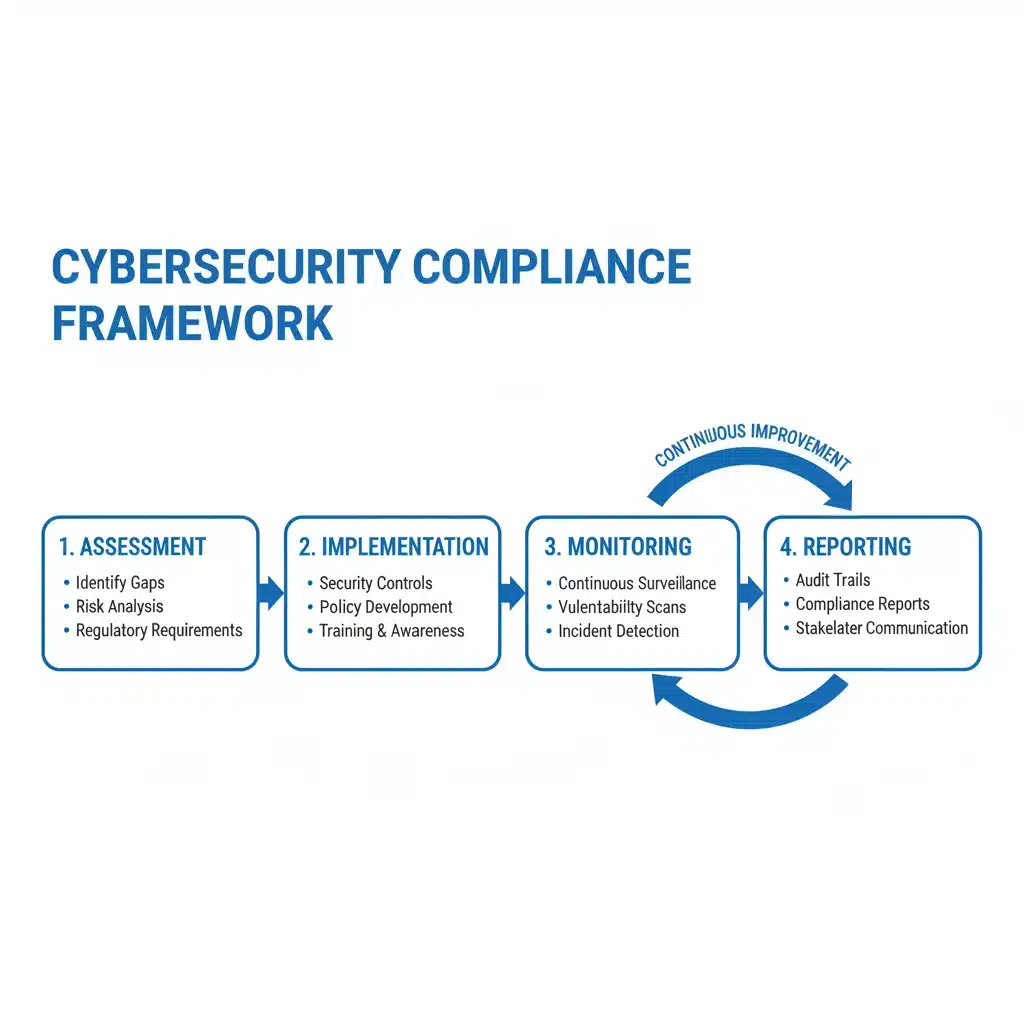
The impending deadline of Q3 2026 might seem distant, but for businesses needing to overhaul their cybersecurity infrastructure and processes, it’s a tight timeline. Proactive preparation is paramount to ensure smooth compliance and avoid potential penalties. Here’s a strategic roadmap to guide your organization:
1. Conduct a Comprehensive Cybersecurity Assessment
The first step is to understand your current state. Engage a qualified cybersecurity firm or an internal team to conduct a thorough assessment of your existing security posture. This assessment should identify your critical assets, evaluate your current controls against recognized frameworks (like NIST CSF), pinpoint vulnerabilities, and assess your overall risk profile. This will provide a baseline against which you can measure your progress towards meeting the new Federal Cybersecurity Mandates.
2. Establish a Dedicated Compliance Team or Task Force
Cybersecurity compliance is not a one-person job. Form a cross-functional team comprising representatives from IT, legal, HR, operations, and executive leadership. This team will be responsible for monitoring the evolution of the Federal Cybersecurity Mandates, interpreting their requirements, developing a compliance strategy, and overseeing its implementation. Executive buy-in and support are critical for the success of this initiative.
3. Allocate Adequate Resources
Compliance with new Federal Cybersecurity Mandates will require significant investment in technology, personnel, and training. Businesses must budget accordingly, understanding that these are not optional expenditures but necessary investments in their long-term security and operational continuity. Skimping on cybersecurity now will likely lead to far greater costs down the line, both financially and reputationally.
4. Prioritize Risk Mitigation and Control Implementation
Based on your cybersecurity assessment, prioritize the highest-risk areas and begin implementing necessary controls. This might involve upgrading hardware/software, deploying new security solutions (e.g., SIEM, EDR), enhancing access management, or segmenting networks. Focus on foundational security practices that are likely to be universally required by the Federal Cybersecurity Mandates, such as MFA, regular patching, and secure configurations.
5. Develop and Refine Incident Response Plans
Don’t wait for a breach to test your incident response. Develop a comprehensive plan that outlines roles, responsibilities, communication protocols, and technical steps for handling various types of cyber incidents. Regularly conduct tabletop exercises and simulations to test the effectiveness of your plan and identify areas for improvement. This preparedness will be critical for meeting incident reporting requirements under the new Federal Cybersecurity Mandates.
6. Strengthen Supply Chain Security
Review your third-party vendor contracts and relationships. Implement a vendor risk management program that includes security assessments, contractual clauses requiring adherence to security standards, and ongoing monitoring. Work with your critical vendors to understand their security postures and ensure they are also preparing for the new Federal Cybersecurity Mandates.
7. Foster a Culture of Cybersecurity Awareness
Implement mandatory, recurring cybersecurity training for all employees, from entry-level staff to senior executives. Make the training engaging and relevant to their roles. Reinforce security best practices through internal communications, posters, and regular reminders. A strong security culture is one of the most effective defenses against human-centric cyberattacks, a key focus area for the Federal Cybersecurity Mandates.
8. Stay Informed and Engage with Industry Groups
The specifics of the Federal Cybersecurity Mandates will likely evolve. Stay abreast of official announcements from federal agencies like CISA, NIST, and relevant legislative bodies. Participate in industry associations and cybersecurity forums to share insights, best practices, and collective concerns. Collaboration can help clarify ambiguities and influence future guidance.

Potential Challenges and Opportunities for Businesses
While the new Federal Cybersecurity Mandates present a clear path towards enhanced national security, they also come with challenges for businesses, particularly for SMBs with limited resources. However, these challenges also harbor significant opportunities.
Challenges:
- Cost of Compliance: Implementing new technologies, hiring skilled personnel, and conducting regular audits can be expensive.
- Resource Constraints: SMBs often lack dedicated cybersecurity staff and may struggle to allocate internal resources to meet complex requirements.
- Complexity and Interpretation: Navigating intricate legal and technical requirements can be daunting, especially for businesses without in-house legal or cybersecurity expertise.
- Operational Disruption: Implementing new security protocols can temporarily impact business operations if not managed carefully.
- Talent Shortage: The demand for cybersecurity professionals is already high; these mandates will exacerbate the talent gap.
Opportunities:
- Enhanced Security Posture: The primary benefit is a stronger defense against cyber threats, reducing the likelihood and impact of breaches.
- Increased Customer Trust: Demonstrating compliance with federal standards can build trust with customers, partners, and stakeholders, serving as a competitive differentiator.
- Reduced Risk of Penalties: Proactive compliance avoids fines, legal liabilities, and reputational damage associated with non-compliance or data breaches.
- Improved Operational Efficiency: Implementing robust security practices often leads to better IT hygiene, streamlined processes, and greater operational resilience.
- Competitive Advantage: Businesses that embrace these mandates early and effectively can gain a competitive edge by assuring partners and clients of their secure environment.
- Innovation in Cybersecurity Solutions: The increased demand will spur innovation in cybersecurity products and services, potentially leading to more efficient and affordable solutions.
The Federal Cybersecurity Mandates, while demanding, offer a chance for businesses to not just comply, but to truly elevate their security game. Viewing them as an investment rather than just a cost is key to leveraging these opportunities.
The Role of Government Support and Industry Collaboration
Recognizing the significant undertaking these new Federal Cybersecurity Mandates represent, particularly for smaller entities, there is an expectation that federal agencies will provide resources and guidance. Organizations like the Cybersecurity and Infrastructure Security Agency (CISA) and the National Institute of Standards and Technology (NIST) are likely to play crucial roles in disseminating information, developing compliance tools, and offering educational programs. Businesses should actively seek out these resources as they become available.
Furthermore, industry collaboration will be vital. Trade associations, professional organizations, and peer groups can serve as platforms for sharing best practices, discussing challenges, and advocating for practical implementation strategies. Collective efforts can help shape the future guidance and ensure that the Federal Cybersecurity Mandates are implemented in a way that is both effective and achievable for the majority of U.S. businesses. This collaborative spirit will be essential in navigating the complexities of these new regulations.
Conclusion: A Call to Action for U.S. Businesses
The impending arrival of new Federal Cybersecurity Mandates by Q3 2026 marks a pivotal moment for 75% of U.S. businesses. This is not a distant threat but a near-term reality that demands immediate and strategic attention. The era of optional or piecemeal cybersecurity is drawing to a close, replaced by a national imperative for robust, standardized protection.
Businesses that embrace these changes proactively, investing in comprehensive assessments, advanced technologies, employee training, and strong incident response capabilities, will not only achieve compliance but also build a more resilient, trustworthy, and competitive organization. Those that delay risk significant financial penalties, reputational damage, and operational disruption. The time to prepare for the Federal Cybersecurity Mandates is now. By taking decisive action, U.S. businesses can collectively strengthen the nation’s digital defenses and secure their future in an increasingly interconnected and threat-filled world.
Stay tuned for more detailed information as the official mandates are released. Your business’s future security depends on your preparedness today.