Mastering Online Learning 2026: Boost Engagement & Achieve a 3.5+ GPA

Anúncios
The landscape of education is continuously evolving, and by 2026, online learning will have solidified its position as a cornerstone of academic pursuit. For students aiming to not just survive but thrive in this digital realm, mastering the art of online learning engagement and achieving a stellar GPA, like a 3.5 or higher, is paramount. This comprehensive guide will equip you with the strategies, tools, and mindset needed to excel in your virtual academic journey.
Online learning offers unparalleled flexibility and access, but it also presents unique challenges. The absence of a traditional classroom environment can sometimes lead to feelings of isolation, decreased motivation, or difficulty in maintaining focus. However, with the right approach, these obstacles can be transformed into opportunities for greater autonomy, self-discipline, and deep learning. This article delves into actionable strategies to boost your online learning engagement, enhance your study habits, and ultimately, secure that coveted 3.5+ GPA.
Understanding the Dynamics of Online Learning in 2026
By 2026, online learning platforms are more sophisticated than ever, incorporating advanced AI, virtual reality (VR), and augmented reality (AR) elements to create immersive and interactive educational experiences. Understanding these dynamics is the first step towards maximizing your success. It’s no longer just about watching lectures; it’s about active participation, collaborative projects, and leveraging digital tools to your advantage. The key to successful online learning engagement lies in proactively interacting with these evolving technologies and pedagogical approaches.
Anúncios
The shift towards blended learning models and fully remote programs means that students must be adaptable and proficient in navigating diverse digital environments. Institutions are investing heavily in robust learning management systems (LMS) that offer a wealth of resources, from interactive simulations to AI-powered feedback mechanisms. Familiarizing yourself with these tools and understanding how to extract maximum value from them is critical. Your ability to engage effectively with these platforms directly influences your learning outcomes and academic performance.
Setting the Foundation for a 3.5+ GPA: Mindset and Environment
Achieving a high GPA in online learning begins long before you open your first digital textbook. It starts with cultivating the right mindset and creating an optimal learning environment. Treat your online courses with the same seriousness and dedication as you would in-person classes. This means scheduling dedicated study times, setting clear academic goals, and eliminating distractions.
Cultivating a Growth Mindset
A growth mindset is crucial for overcoming the unique challenges of online learning. Believe in your ability to improve, learn from mistakes, and view difficulties as opportunities for growth. This resilience is vital when grappling with complex concepts or technical issues. Embrace the journey of continuous learning and adaptation, which is inherent in the digital education space. This positive outlook significantly contributes to sustained online learning engagement.
Designing Your Ideal Study Space
Your physical environment profoundly impacts your ability to focus and engage. Designate a specific area in your home solely for studying. This space should be quiet, well-lit, and free from distractions. Invest in a comfortable chair and a functional desk. Ensure your internet connection is reliable and that you have all necessary technological equipment. A dedicated study space signals to your brain that it’s time to focus, enhancing your productivity and reducing procrastination.
Establishing a Consistent Routine
Structure is your best friend in online learning. Create a daily or weekly schedule that allocates specific times for lectures, readings, assignments, and breaks. Stick to this routine as much as possible. Consistency helps build momentum, reduces the likelihood of falling behind, and instills discipline. Think of your online courses as a job; show up on time and prepared, every day. This consistent routine is foundational for deep online learning engagement.
Maximizing Engagement in Virtual Classrooms
One of the biggest hurdles in online learning is maintaining high levels of engagement. Without the physical presence of peers and instructors, it’s easy to feel disconnected. However, proactive strategies can transform passive participation into active online learning engagement, leading to deeper understanding and better academic outcomes.
Active Participation in Discussions and Forums
Don’t just read discussion posts; contribute thoughtfully and regularly. Ask questions, offer insights, and engage in constructive debates. Most online courses heavily weight participation, and genuine engagement not only earns you points but also solidifies your understanding of the material. Think critically about what you’re learning and how it connects to broader concepts. Your contributions enrich the learning experience for everyone.
Leveraging Synchronous Sessions
If your courses include live lectures or virtual meetings, treat them like in-person classes. Turn on your camera (if comfortable), ask questions, and respond to prompts. These synchronous sessions are invaluable opportunities for real-time interaction with your instructors and peers. They provide clarity, foster a sense of community, and prevent isolation. Prepare questions beforehand to make the most of these sessions.
Forming Virtual Study Groups
Collaboration is not limited to physical classrooms. Form virtual study groups with classmates to discuss challenging topics, review material, and prepare for exams. Utilize video conferencing tools, shared documents, and online whiteboards to facilitate these interactions. Peer-to-peer learning can clarify concepts, offer different perspectives, and keep you accountable. This collaborative aspect is a powerful driver of online learning engagement.
Effective Study Strategies for Online Success
A high GPA isn’t just about attendance; it’s about effective learning. Adapting your study strategies to the online environment is critical for retaining information and performing well on assessments. These strategies are designed to optimize your understanding and recall, directly impacting your ability to achieve a 3.5+ GPA.
Time Management and Organization
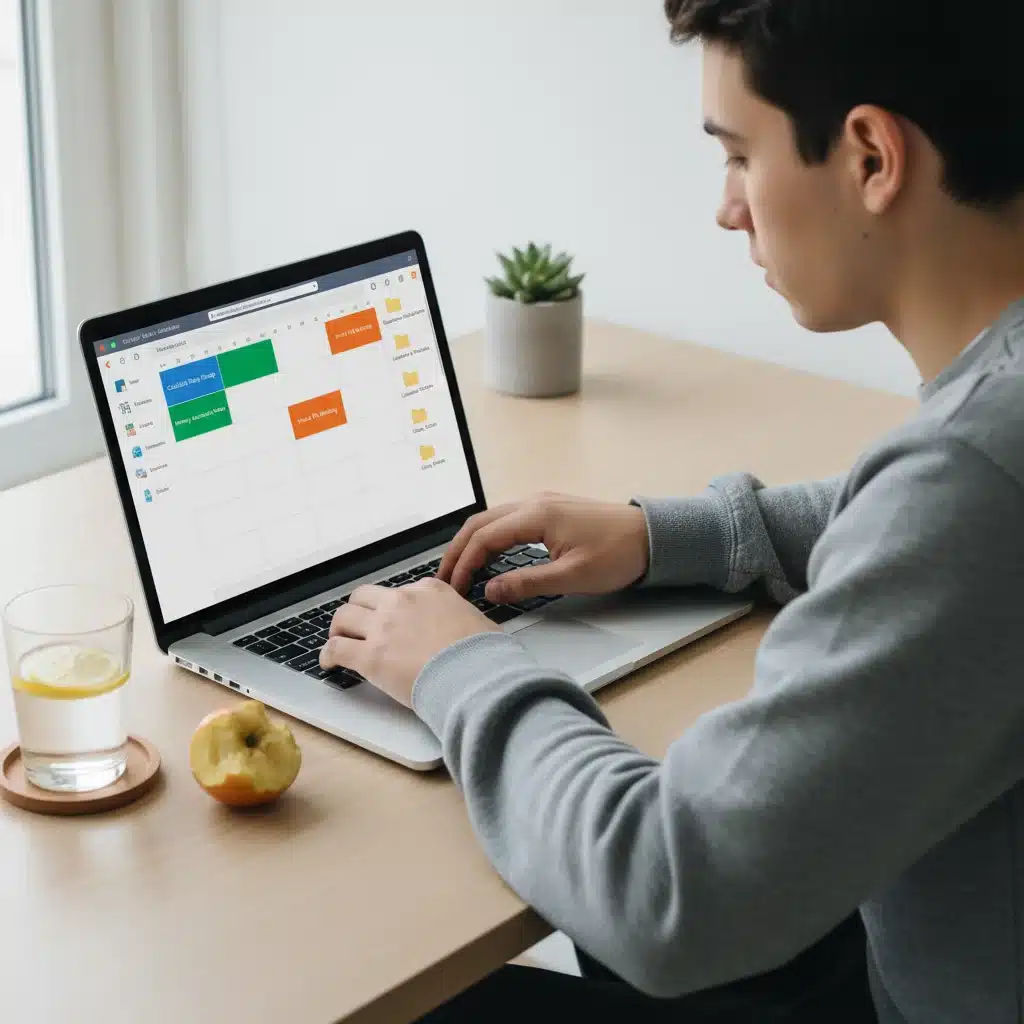
Online learning demands superior time management skills. Use digital calendars, project management tools, or even simple to-do lists to keep track of deadlines, assignments, and study sessions. Break down large tasks into smaller, manageable chunks. The Pomodoro Technique (25 minutes of focused work followed by a 5-minute break) can be particularly effective for maintaining focus during extended study periods. Proactive organization prevents last-minute stress and ensures consistent progress.
Active Reading and Note-Taking
Passive consumption of online content is a recipe for poor retention. Engage actively with your readings and lectures. Highlight key points, summarize paragraphs in your own words, and create digital flashcards for important terms. Utilize note-taking apps that allow you to integrate text, images, and even audio recordings. The act of actively processing information rather than simply reading it significantly enhances memory and comprehension. This active processing is key to sustaining online learning engagement.
Regular Review and Self-Assessment
Don’t wait until exam time to review material. Schedule regular review sessions to revisit previously covered topics. Quiz yourself frequently using practice questions, flashcards, or by explaining concepts aloud. Self-assessment helps identify areas where your understanding is weak, allowing you to focus your study efforts effectively. Spaced repetition, where you review material at increasing intervals, is a proven method for long-term retention.
Minimizing Digital Distractions
The internet is a double-edged sword. While it provides access to vast resources, it also presents endless distractions. During study times, close unnecessary tabs, turn off social media notifications, and consider using website blockers. Put your phone on silent or in another room. Create a ‘digital detox’ environment to maximize your focus and productivity. Uninterrupted focus is crucial for deep learning and consistent online learning engagement.
Leveraging Technology for Academic Excellence
By 2026, educational technology has advanced significantly. Smart students will leverage these tools to their advantage, enhancing their learning experience and boosting their academic performance. Integrating technology strategically can make a significant difference in achieving a 3.5+ GPA.
Utilizing AI-Powered Learning Tools
Many online platforms now incorporate AI to personalize learning paths, provide instant feedback on assignments, and identify areas where students need additional support. Embrace these tools. AI tutors can offer explanations of complex concepts, while AI-driven analytics can help you track your progress and highlight areas for improvement. These intelligent assistants are designed to augment your learning, not replace it.
Mastering Collaboration Platforms
Online collaboration tools are essential for group projects and peer learning. Become proficient in using platforms like Google Workspace, Microsoft Teams, or specialized academic collaboration software. Learn how to share documents, participate in virtual whiteboards, and manage project timelines effectively. Strong collaborative skills are not only beneficial for your GPA but also highly valued in professional settings. Effective use of these platforms directly contributes to robust online learning engagement.
Exploring Educational Apps and Resources
Beyond your course’s official platform, a plethora of educational apps and online resources can supplement your learning. From language learning apps to scientific calculators and research databases, explore tools that align with your subjects. Many universities offer subscriptions to premium resources, so make sure you’re taking advantage of everything available to you. These supplementary tools can provide alternative explanations, practice problems, and deeper insights.
Maintaining Well-being and Preventing Burnout
The pursuit of a high GPA in online learning can be intense. It’s crucial to prioritize your mental and physical well-being to prevent burnout and sustain long-term academic success. A balanced approach ensures consistent online learning engagement.
Taking Regular Breaks
Staring at a screen for hours on end is detrimental to your eyes, mind, and body. Schedule short, regular breaks during your study sessions. Stand up, stretch, walk around, or do something completely unrelated to academics. These breaks help refresh your mind, improve focus, and reduce fatigue.
Prioritizing Sleep and Nutrition
Adequate sleep and a healthy diet are fundamental for cognitive function. Aim for 7-9 hours of quality sleep per night. Fuel your body with nutritious foods that support brain health. Avoid excessive caffeine and sugary snacks, which can lead to energy crashes. Your physical health directly impacts your mental acuity and ability to engage with complex material.
Engaging in Physical Activity
Regular exercise is a powerful stress reliever and mood enhancer. Incorporate physical activity into your daily routine, whether it’s a brisk walk, a gym session, or a home workout. Exercise improves blood flow to the brain, enhancing concentration and memory. It’s an excellent way to break the monotony of sitting and studying.

Seeking Support When Needed
Don’t hesitate to reach out for help. If you’re struggling with a concept, contact your instructor or a classmate. If you’re feeling overwhelmed or stressed, utilize your university’s counseling services or talk to a trusted friend or family member. Online learning can sometimes feel isolating, but support systems are available and crucial for your success and well-being. Proactive communication is a vital part of maintaining online learning engagement.
Strategies for Acing Online Assessments
Ultimately, your GPA is a reflection of your performance on assessments. Excelling in online quizzes, exams, and projects requires specific strategies tailored to the digital format.
Understanding Assessment Formats
Online assessments can vary widely, from multiple-choice quizzes with strict time limits to open-book essays and proctored exams. Familiarize yourself with the format, rules, and technical requirements for each assessment well in advance. Practice with any provided sample questions or mock exams.
Effective Exam Preparation
Beyond regular review, dedicate specific time for exam preparation. Create a study guide based on course objectives and key concepts. Practice problem-solving and critical thinking. For open-book exams, organize your notes and resources efficiently so you can quickly locate information. For proctored exams, ensure your environment and technology meet all requirements to avoid technical glitches.
Mastering Online Project Management
Many online courses feature group projects or extensive individual assignments. Break down projects into smaller milestones, set internal deadlines, and communicate regularly with your team (if applicable). Utilize collaborative tools to track progress and assign responsibilities. Proofread all submissions meticulously and ensure they meet all formatting and submission guidelines. High-quality project work is a direct path to a higher GPA and showcases robust online learning engagement.
The Future of Online Learning and Your Role in It
As we move further into 2026 and beyond, online learning will continue to evolve, integrating even more immersive technologies and personalized learning experiences. Your ability to adapt, engage, and leverage these advancements will define your academic journey. The skills you develop in navigating online environments – self-discipline, digital literacy, critical thinking, and independent learning – are not just beneficial for your GPA; they are essential life skills highly valued in the modern workforce.
Embrace the opportunities that online learning presents. View it as a chance to take ownership of your education, explore new learning methodologies, and connect with a global community of learners. By consistently applying the strategies outlined in this guide – focusing on mindset, environment, active engagement, effective study habits, technological leverage, and well-being – you are not just aiming for a 3.5+ GPA; you are building a foundation for lifelong learning and success in an increasingly digital world. Your active online learning engagement today shapes your future achievements.
Conclusion
Navigating online learning in 2026 successfully requires a blend of strategic planning, active participation, and a commitment to personal well-being. By focusing on cultivating a growth mindset, optimizing your study environment, and engaging proactively with course material and peers, you can transform the challenges of virtual education into powerful opportunities for academic excellence. Remember to leverage the cutting-edge technologies available, manage your time effectively, and prioritize self-care to prevent burnout. Achieving a 3.5+ GPA in the online realm is not just an aspiration; it’s an attainable goal when you commit to these proven strategies for maximizing your online learning engagement. Empower yourself to thrive in the digital classroom and unlock your full academic potential.