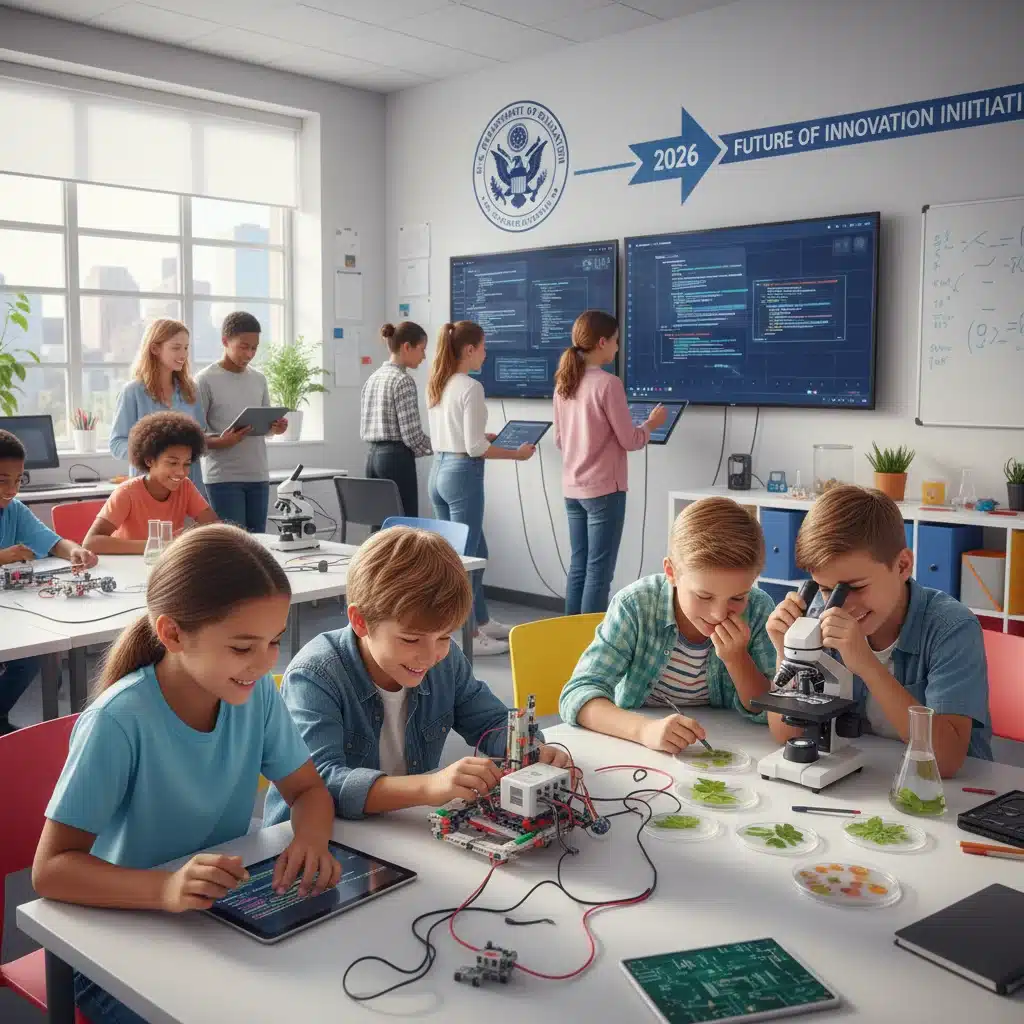
Education Reform: Department of Education Unveils New STEM Initiative Targeting 1 Million Students by December 2026
The landscape of education is continuously evolving, and at the forefront of this transformation is the critical need to equip students with skills that are relevant for the 21st century. In a landmark announcement, the Department of Education has unveiled an ambitious new STEM education reform initiative designed to reach an astounding 1 million students by December 2026. This strategic move underscores a national commitment to fostering innovation, critical thinking, and problem-solving abilities among the next generation. The initiative is not merely an incremental adjustment; it represents a comprehensive overhaul of how Science, Technology, Engineering, and Mathematics are taught and integrated into the K-12 curriculum, aiming to create a robust pipeline of future scientists, engineers, and tech innovators.
Anúncios
At its core, this STEM education reform seeks to address several pressing challenges: the widening skills gap in technology and engineering sectors, the underrepresentation of certain demographic groups in STEM fields, and the need to cultivate a scientifically literate citizenry. By focusing on practical, engaging, and interdisciplinary learning experiences, the Department of Education aims to ignite a passion for STEM in students from an early age, ensuring they are not only prepared for higher education but also for the dynamic demands of the global workforce. This extensive program will involve significant investment in teacher training, curriculum development, and the provision of cutting-edge resources to schools across the nation. The ultimate goal is to establish a sustainable model for STEM excellence that can be replicated and scaled, ensuring that every student has the opportunity to thrive in a technology-driven world.
The Vision Behind the Department of Education’s STEM Push
The Department of Education’s initiative is built on a clear vision: to cultivate a generation of innovators and problem-solvers. This STEM education reform is not just about teaching scientific facts or mathematical formulas; it’s about fostering a mindset of inquiry, experimentation, and discovery. The strategy involves moving beyond traditional textbook learning to embrace hands-on projects, collaborative challenges, and real-world applications of STEM principles. This approach is crucial for developing the critical thinking and analytical skills that are indispensable in today’s complex world. The initiative recognizes that a strong foundation in STEM is vital for national competitiveness and economic growth. By investing in our youth’s STEM capabilities, we are investing in the future prosperity and security of the nation.
Furthermore, the vision extends to promoting equity and inclusion within STEM fields. Historically, certain groups have been underrepresented, and this initiative aims to dismantle barriers and create pathways for all students, regardless of their background or socioeconomic status, to pursue STEM education and careers. This includes targeted outreach programs, scholarships, and mentorship opportunities designed to inspire and support students from diverse communities. The Department of Education believes that by broadening participation, we not only enhance individual opportunities but also enrich the collective pool of talent and perspectives, leading to more innovative solutions and breakthroughs. The initiative will also emphasize the importance of early exposure to STEM, recognizing that foundational experiences in elementary and middle school are crucial for building sustained interest and proficiency.
Key Pillars of the STEM Education Reform Initiative
To achieve its ambitious goal of reaching 1 million students by December 2026, the Department of Education’s initiative is structured around several key pillars:
- Curriculum Modernization: The reform will involve a significant update to existing STEM curricula, integrating modern topics such as artificial intelligence, data science, environmental science, and biotechnology. The new curriculum will emphasize interdisciplinary learning, showing students how different STEM fields connect and how they can be applied to solve real-world problems. This modernization is essential to ensure that what students learn is current and relevant to the rapidly advancing technological landscape.
- Teacher Professional Development: Recognizing that effective teaching is at the heart of any successful educational reform, a substantial portion of the initiative will be dedicated to training and upskilling educators. This includes workshops on innovative pedagogical approaches, access to new technologies, and opportunities for teachers to collaborate and share best practices. Equipping teachers with the necessary tools and knowledge is paramount to delivering high-quality STEM instruction.
- Resource Allocation and Technology Integration: Schools will receive enhanced funding and resources to acquire state-of-the-art equipment, including robotics kits, 3D printers, coding platforms, and virtual reality tools. The initiative aims to bridge the digital divide, ensuring that all participating schools have access to the technology needed to deliver engaging and effective STEM education.
- Partnerships and Community Engagement: The Department of Education will forge strong partnerships with industries, universities, and local communities. These collaborations will provide students with mentorship opportunities, internships, and exposure to real-world STEM careers, making learning more tangible and inspiring. Community engagement will also play a role in fostering a supportive ecosystem for STEM learning outside of the classroom.
- Assessment and Evaluation: A robust framework for monitoring progress and evaluating the impact of the initiative will be established. This will involve tracking student engagement, academic performance in STEM subjects, and participation in STEM-related extracurricular activities. Regular evaluations will ensure accountability and allow for continuous improvement and adaptation of the program.
Each of these pillars is designed to work in concert, creating a holistic and supportive environment for STEM learning. The success of this STEM education reform hinges on the effective implementation of these components, ensuring that every student reached by the initiative receives a high-quality, inspiring STEM education.
Impact on Students: Fostering Future Innovators
The most profound impact of this STEM education reform will undoubtedly be on the students themselves. By providing rich, engaging, and relevant STEM experiences, the initiative aims to transform how students perceive these subjects. No longer will STEM be seen as abstract or intimidating; instead, it will be presented as a dynamic and exciting pathway to understanding and shaping the world. Students will develop critical analytical skills, learn to approach problems systematically, and gain confidence in their ability to innovate.
Moreover, the emphasis on project-based learning and collaborative activities will enhance students’ teamwork and communication skills, which are highly valued in any professional setting. Imagine students working together to design a sustainable energy solution for their school, or coding an application to solve a local community problem. These experiences not only build technical proficiency but also foster a sense of civic responsibility and empowerment. The initiative is set to broaden horizons, inspiring students to consider careers they might never have imagined, from biomedical engineering to cybersecurity. The early exposure and sustained engagement will be crucial in nurturing long-term interest and commitment to STEM fields.
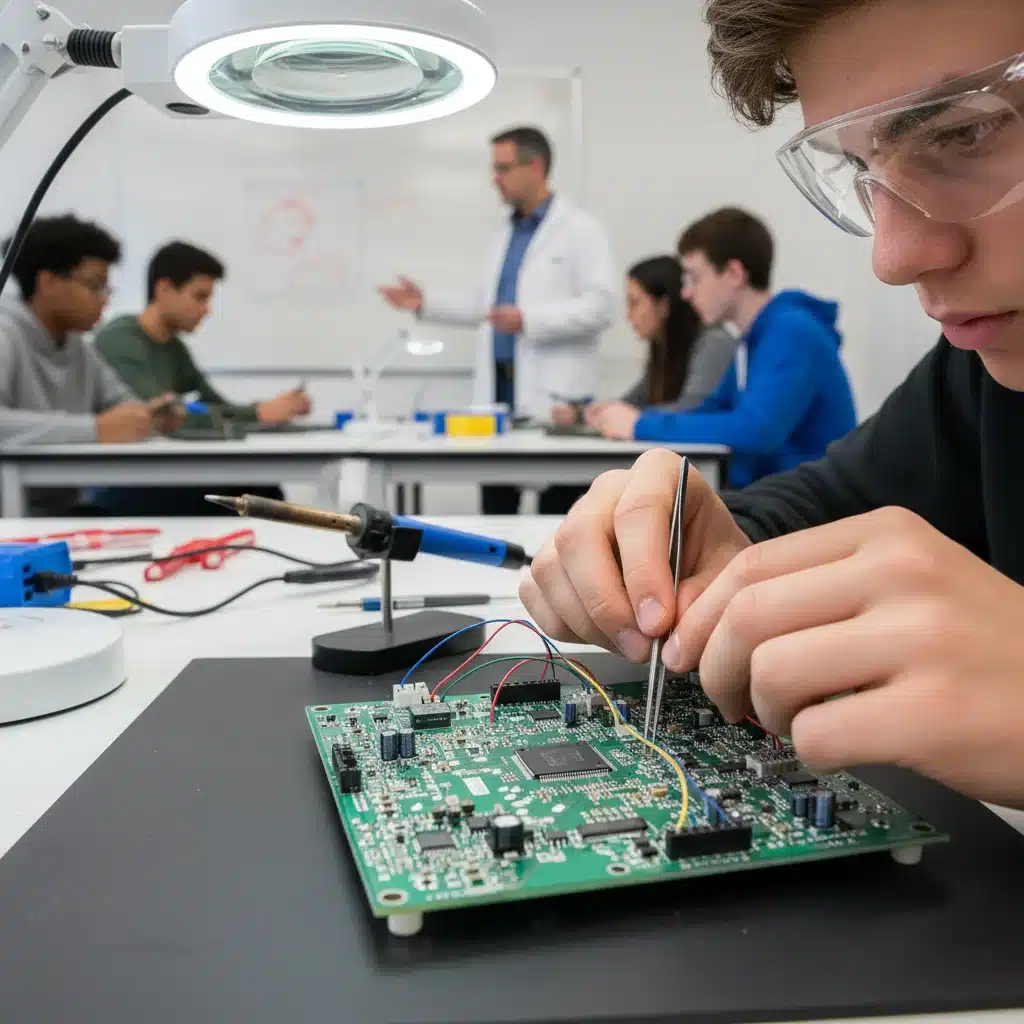
For many students, this initiative will be their first real opportunity to engage with advanced technologies and scientific concepts in a meaningful way. It will democratize access to high-quality STEM education, ensuring that students from all backgrounds have the chance to explore their potential in these critical areas. The goal is to cultivate a diverse pool of talent, reflecting the rich tapestry of society, and to ensure that innovation is driven by a multitude of perspectives. This STEM education reform is an investment in human capital, recognizing that the ingenuity and creativity of our youth are our most valuable resources for future progress.
The Role of Technology and Pedagogy in Modern STEM Education
Technology is not just a subject within STEM; it’s a powerful tool that transforms how STEM is taught and learned. The Department of Education’s initiative places a strong emphasis on integrating cutting-edge educational technology into the curriculum. This includes everything from interactive simulations and virtual labs to augmented reality experiences and artificial intelligence-powered learning platforms. These technologies make complex concepts more accessible, allow for personalized learning paths, and provide immediate feedback, enhancing the learning process significantly.
Beyond technology, the pedagogical approaches employed are equally vital. The STEM education reform advocates for inquiry-based learning, where students are encouraged to ask questions, investigate, and discover answers independently. This contrasts with traditional didactic methods, fostering deeper understanding and retention. Problem-based learning, another key pedagogical strategy, involves presenting students with real-world problems that they must solve using their STEM knowledge and skills. This approach not only makes learning more relevant but also develops critical thinking, creativity, and resilience.
Furthermore, the initiative promotes interdisciplinary teaching, breaking down the artificial silos between science, technology, engineering, and mathematics. For instance, students might learn about the physics of flight (science) while designing and building a drone (engineering), programming its flight path (technology), and calculating its aerodynamics (mathematics). This integrated approach provides a more holistic and realistic understanding of how STEM fields interact in the real world. By combining innovative technology with progressive pedagogy, this STEM education reform aims to create a dynamic and effective learning environment that prepares students for the challenges and opportunities of the future.
Challenges and Opportunities in Implementing the STEM Initiative
Implementing a reform of this magnitude is not without its challenges. One significant hurdle will be ensuring equitable access to resources and trained educators across all participating schools, especially those in underserved communities. Bridging the digital divide and providing adequate infrastructure will require sustained effort and investment. Another challenge lies in overcoming potential resistance to change from traditional educational practices. Educators will need robust support and ongoing professional development to fully embrace new pedagogical methods and technologies.
However, these challenges are matched by immense opportunities. The initiative presents an unprecedented chance to revitalize public education and position the nation as a leader in STEM innovation. By reaching 1 million students, the program has the potential to significantly diversify the STEM workforce, bringing new perspectives and talents to critical sectors. It also offers an opportunity to foster a culture of lifelong learning and adaptability, essential qualities in a rapidly changing world. The partnerships envisioned with industry and higher education can create a seamless transition for students from K-12 STEM education to advanced studies and lucrative careers.
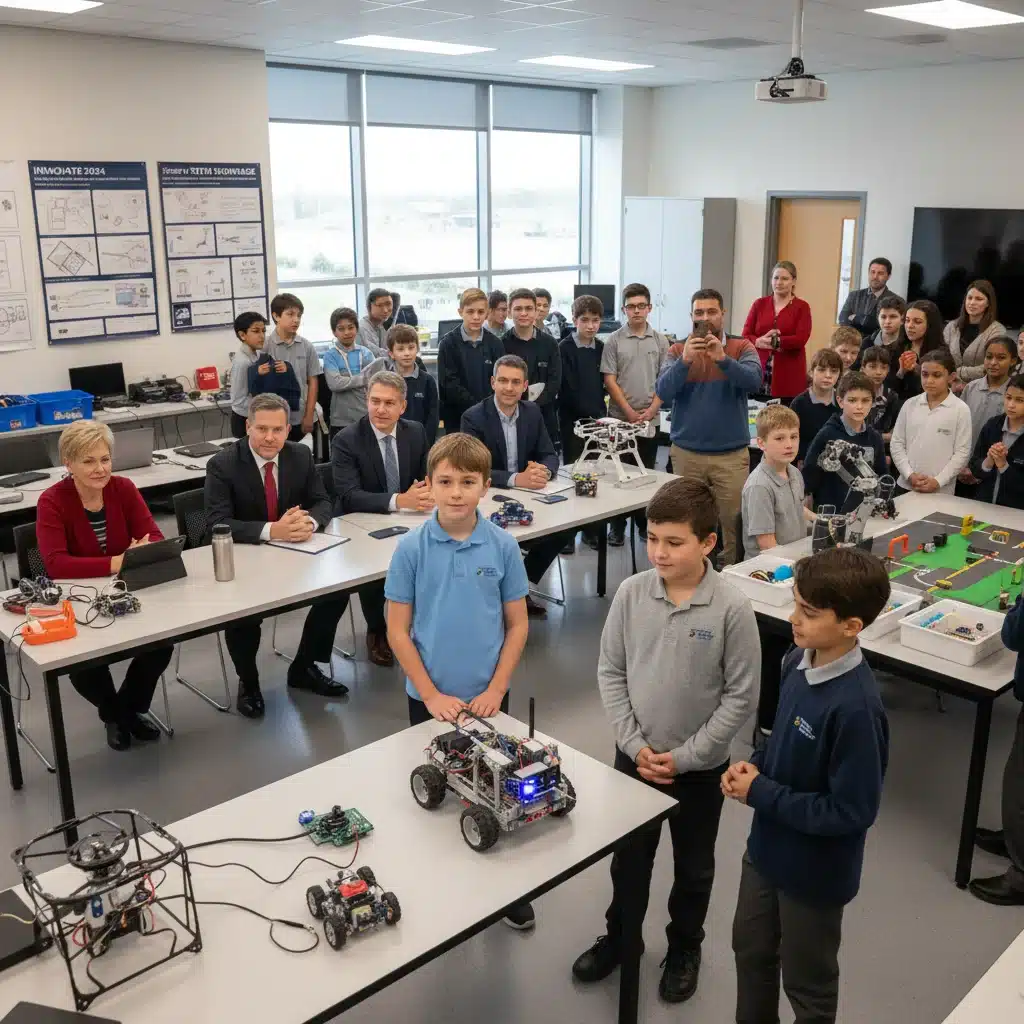
The successful implementation of this STEM education reform will serve as a model for future educational initiatives, demonstrating the power of strategic investment in human potential. It will require continuous collaboration among policymakers, educators, parents, and community stakeholders. The Department of Education’s commitment to rigorous assessment and evaluation will be crucial in identifying areas for improvement and ensuring the long-term sustainability and effectiveness of the program. Ultimately, the success of this initiative will be measured not just by the number of students reached, but by the quality of their learning experiences and their readiness to contribute to a technologically advanced society.
Measuring Success: Beyond the 1 Million Student Mark
While the goal of reaching 1 million students by December 2026 is a significant quantitative target, the true success of this STEM education reform will be measured by qualitative outcomes. How will we know if the initiative is truly making a difference?
Key indicators of success will include increased student engagement and interest in STEM subjects, reflected in higher enrollment rates in advanced STEM courses and participation in extracurricular activities like science fairs, robotics clubs, and coding competitions. We will also look for improvements in standardized test scores in STEM areas, though the emphasis will be on demonstrating deeper conceptual understanding and problem-solving abilities rather than rote memorization. Furthermore, the initiative aims to see a noticeable increase in the diversity of students pursuing STEM pathways, ensuring that talent from all backgrounds is recognized and nurtured.
Long-term indicators will involve tracking the pathways of students who have benefited from the program. Are more graduates pursuing STEM degrees in higher education? Are they entering STEM-related careers? Are they becoming innovators and entrepreneurs? The Department of Education plans to establish mechanisms for longitudinal studies to assess the sustained impact of the initiative on students’ academic and career trajectories. The ultimate measure of success will be the extent to which this reform contributes to a more innovative, equitable, and scientifically literate society, prepared to tackle the complex challenges of the future. The STEM education reform is an investment in human potential, and its returns will be seen in the advancements and solutions created by these empowered students for decades to come.
The Future of Education: A STEM-Centric Approach
The Department of Education’s new STEM initiative is more than just a program; it’s a blueprint for the future of education. By prioritizing STEM education reform, the nation is signaling a fundamental shift towards an educational paradigm that values critical thinking, creativity, collaboration, and technological literacy above all else. This STEM-centric approach acknowledges that the challenges of tomorrow—from climate change and global health crises to technological breakthroughs and economic transformations—will require a workforce and citizenry equipped with robust STEM skills.
This reform will not only benefit students directly involved but will also have a ripple effect across the entire educational system. It will encourage other disciplines to integrate STEM principles, fostering interdisciplinary connections and a more holistic learning experience. Arts will find new dimensions through technology (STEAM), and humanities will gain new analytical tools. The emphasis on problem-solving and inquiry-based learning will elevate the quality of education across the board, moving away from rote memorization towards a deeper, more meaningful engagement with knowledge.
As we approach December 2026, the progress of this initiative will be closely watched. Its success will pave the way for further investments and expansions, potentially reaching even more students and solidifying the nation’s position as a leader in global innovation. The transformation of education through this ambitious STEM education reform promises to empower a generation of students, providing them with the tools and inspiration to build a brighter, more sustainable, and technologically advanced future for everyone. It is a bold statement about what we value in education and what we expect from our future leaders and innovators.