Student Loan Forgiveness 2026: Key Updates and Debt Reduction Strategies

Student loan debt has become a pervasive challenge for millions of Americans, impacting everything from homeownership to retirement planning. As we approach 2026, the landscape of student loan forgiveness programs continues to evolve, bringing both new opportunities and potential complexities for borrowers. Understanding these changes is not just beneficial; it’s essential for anyone seeking to navigate their financial future with greater clarity and less burden. This comprehensive guide will delve into the anticipated updates for student loan forgiveness 2026, breaking down what these changes mean for your debt reduction strategy and how you can best prepare.
The federal government, alongside various state and private initiatives, has consistently sought ways to alleviate the immense pressure of student debt. However, these programs are rarely static. Policy shifts, economic conditions, and administrative adjustments frequently reshape eligibility requirements, application processes, and the overall scope of available relief. For 2026, several key developments are on the horizon, promising to impact a significant portion of the borrowing population. Whether you’re a recent graduate, a long-time borrower, or someone considering higher education, staying informed about these updates is your first step towards effective debt management.
Our goal with this article is to provide you with a clear, actionable understanding of the student loan forgiveness 2026 landscape. We’ll explore the three most significant new updates, discuss their implications, and offer practical advice on how to leverage them for your benefit. From revamped income-driven repayment plans to targeted forgiveness initiatives, there’s a lot to cover. So, let’s embark on this journey to demystify student loan forgiveness and empower you to make informed decisions about your financial well-being.
The Current State of Student Loan Debt and Forgiveness
Before we dive into the specifics of student loan forgiveness 2026, it’s crucial to understand the broader context. The United States currently faces a staggering student loan debt crisis, with over 43 million Americans owing more than $1.7 trillion. This immense financial burden affects individuals across all demographics and income levels, often delaying major life milestones such as marriage, starting a family, or purchasing a home.
In response, various federal programs have been established over the years to offer relief. These include Income-Driven Repayment (IDR) plans, Public Service Loan Forgiveness (PSLF), and targeted discharge programs for specific circumstances like school closure or permanent disability. While these programs have provided a lifeline for many, they have also been plagued by complexity, administrative hurdles, and often, a lack of clear communication to borrowers.
The past few years have seen significant efforts to address these shortcomings. The COVID-19 pandemic prompted an unprecedented pause on federal student loan payments and interest, giving millions of borrowers a temporary reprieve. This period also sparked renewed calls for broader student loan forgiveness, leading to discussions and policy proposals at the highest levels of government. The lessons learned from these experiences, coupled with ongoing advocacy from borrower groups, are directly influencing the changes we anticipate for 2026.
Understanding the historical context and the current challenges is vital because it helps explain the rationale behind the upcoming updates. The goal of these changes is often twofold: to simplify existing programs and to expand access to relief for a larger segment of the struggling borrower population. As we look towards 2026, the emphasis remains on creating more equitable and effective pathways to debt reduction, ensuring that student loans do not become an insurmountable barrier to economic mobility and personal prosperity.
New Update 1: Refined Income-Driven Repayment (IDR) Plans
One of the most impactful changes anticipated for student loan forgiveness 2026 revolves around a significant overhaul and refinement of Income-Driven Repayment (IDR) plans. IDR plans have long been a cornerstone of federal student loan relief, designed to make monthly payments affordable based on a borrower’s income and family size. However, their complexity, varying terms, and often confusing pathways to forgiveness have limited their effectiveness for many.
What’s Changing?
The primary thrust of this update is simplification and increased generosity. While specific legislative details are still being finalized, the core proposals suggest:
- Lower Discretionary Income Calculation: The percentage of discretionary income used to calculate monthly payments is expected to be reduced for many borrowers, potentially as low as 5% for undergraduate loans (down from 10% or 15% in previous plans). This means lower monthly payments for a broader range of borrowers.
- Higher Income Protection: The amount of income protected from payment calculations (i.e., not considered discretionary) is likely to increase. This could mean that a larger portion of a borrower’s income is considered essential for living expenses, further reducing their calculated monthly payment.
- Shorter Forgiveness Timelines: Forgiveness timelines, particularly for borrowers with lower original loan balances, are expected to be shortened. While most IDR plans currently offer forgiveness after 20 or 25 years of payments, new proposals suggest forgiveness could occur in as little as 10 years for those with original balances under a certain threshold.
- Automatic Enrollment and Recertification: Efforts are underway to streamline the administrative burden on borrowers. This could include automatic enrollment for eligible borrowers and simplified or even automatic annual income recertification, reducing the risk of missed deadlines and payment spikes.
- Addressing Interest Accumulation: A significant pain point for IDR borrowers has been the accumulation of unpaid interest, which can cause loan balances to swell even as payments are made. New plans aim to prevent this ‘interest capitalization’ or at least significantly reduce its impact, ensuring balances don’t grow as long as borrowers make their required payments.
Implications for Borrowers
These IDR refinements hold immense potential for borrowers. Lower monthly payments can free up significant funds for other financial goals, such as saving for a down payment, building an emergency fund, or investing. Shorter forgiveness timelines mean borrowers can look forward to a definitive end to their student loan obligations much sooner, providing psychological and financial relief.
The focus on simplifying the process and preventing interest capitalization also addresses long-standing critiques of IDR plans. This could lead to higher enrollment and retention rates, ensuring that more borrowers can benefit from these crucial safety nets without falling through administrative cracks.
What You Should Do Now
Even though these changes are slated for 2026, it’s never too early to prepare. If you are currently on an IDR plan, or considering one, pay close attention to official announcements from the Department of Education. Ensure your contact information is up to date with your loan servicer. Start gathering documentation of your income and family size, as these will remain critical for eligibility. Evaluate your current budget to understand how a potentially lower payment could impact your financial planning. This new era of IDR plans aims to be more borrower-friendly, but proactive engagement will be key to maximizing its benefits for your student loan forgiveness 2026 strategy.
New Update 2: Expanded Public Service Loan Forgiveness (PSLF) Eligibility and Process Improvements
Public Service Loan Forgiveness (PSLF) has been a beacon of hope for countless individuals dedicated to careers in public service. However, its history has been fraught with challenges, including confusing rules, high denial rates, and a complex application process. For student loan forgiveness 2026, significant efforts are being made to expand PSLF eligibility and drastically improve its administrative efficiency, building on recent temporary waivers.
What’s Changing?
The upcoming changes are designed to make PSLF more accessible and reliable:
- Broader Definition of "Public Service": While the core requirement of working for a government entity or eligible non-profit will remain, there’s discussion around clarifying or slightly expanding what constitutes "qualifying employment." This might include more types of organizations or employment statuses that were previously ambiguous.
- Consolidated Loan Types: The temporary PSLF waiver allowed previously ineligible loan types (like FFEL and Perkins loans) to count towards PSLF after consolidation into a Direct Loan. This principle is expected to be formalized, making it easier for borrowers with diverse loan portfolios to qualify.
- Streamlined Payment Counting: A major improvement will be a more consistent and forgiving approach to counting qualifying payments. This includes addressing past issues where certain payment statuses (e.g., late payments, payments made before consolidation) were unfairly excluded. The goal is to ensure that any payment made while working for a qualifying employer, under an eligible repayment plan, counts towards the 120 required payments.
- Enhanced Employer Certification: The process for certifying employment is expected to become simpler and more automated. This could involve better integration between employers and loan servicers, reducing the burden on borrowers to track and submit employment verification forms repeatedly.
- Regular Payment Tracking and Communication: Borrowers can anticipate more transparent and frequent updates on their PSLF progress. This includes clearer statements from servicers indicating how many qualifying payments they have made and what steps they need to take next, preventing the shock of denial after years of service.

Implications for Borrowers
These PSLF enhancements are a game-changer for public servants. The expanded eligibility means more individuals dedicated to essential community roles can realistically aim for loan forgiveness. The streamlined payment counting and improved communication will instill greater confidence in the program, reducing the anxiety and uncertainty that many PSLF hopefuls have faced. This could also encourage more graduates to pursue careers in public service, knowing that their student debt won’t be an insurmountable obstacle.
What You Should Do Now
If you are in public service or considering it, ensure all your federal student loans are Direct Loans. If you have FFEL or Perkins loans, investigate consolidation into a Direct Loan immediately, as this step is often a prerequisite for PSLF. Use the PSLF Help Tool on the Federal Student Aid website to certify your employment regularly, even if you haven’t yet reached 120 payments. Keep meticulous records of your employment and payments. Staying proactive and organized will be crucial to successfully leveraging PSLF under the new student loan forgiveness 2026 guidelines.
New Update 3: Targeted Forgiveness Initiatives and "Fresh Start" Programs
Beyond broad-based IDR and PSLF reforms, student loan forgiveness 2026 is also expected to feature continued or new targeted forgiveness initiatives, alongside efforts to provide a "Fresh Start" for borrowers in default. These programs address specific populations or circumstances where borrowers face exceptional hardship or have been exploited by predatory institutions.
What’s Changing?
This category of updates is often more dynamic and can include several distinct programs:
- Borrower Defense to Repayment: Expect continued refinement and potentially expanded eligibility for Borrower Defense to Repayment (BDTR), which allows borrowers whose schools engaged in misconduct or defrauded them to have their federal loans discharged. The process for identifying eligible borrowers and processing claims is likely to be further streamlined.
- Closed School Discharge: Updates may clarify and simplify the process for borrowers whose schools closed while they were enrolled or shortly after they withdrew. Efforts will focus on automatic discharges for eligible borrowers and better outreach regarding their rights.
- Total and Permanent Disability (TPD) Discharge: While the TPD discharge program already exists, there may be ongoing efforts to simplify the application process and expand automatic discharges for borrowers identified as totally and permanently disabled through data matching with other federal agencies, reducing administrative burden.
- "Fresh Start" for Defaulted Borrowers: This is a significant initiative aimed at helping borrowers who defaulted on their federal student loans. The "Fresh Start" program offers a pathway out of default by allowing borrowers to re-enter repayment in good standing without having to undergo the traditional, often arduous, rehabilitation process. This can restore eligibility for federal student aid, access to IDR plans, and halt collection activities. While initially a temporary measure, there’s strong indication that its principles or a similar permanent program will be integrated into the student loan forgiveness 2026 framework.
- Potential New Targeted Programs: The political and economic climate could still lead to the introduction of new, highly targeted forgiveness programs addressing specific needs, such as for healthcare workers in underserved areas, teachers in high-need subjects, or borrowers with very old, low-balance loans that have proven difficult to repay.
Implications for Borrowers
These targeted initiatives offer critical relief to some of the most vulnerable borrowers. The "Fresh Start" program, in particular, is transformative, as defaulting on student loans has severe consequences, including wage garnishment, tax refund offsets, and damage to credit scores. By providing a clear path out of default, this program offers a genuine second chance, restoring financial stability and access to future educational opportunities. The improvements to BDTR, closed school, and TPD discharges ensure that borrowers facing specific hardships receive the relief they are entitled to without undue bureaucratic hurdles.
What You Should Do Now
If you believe you qualify for Borrower Defense, Closed School, or TPD discharge, gather all relevant documentation and monitor the Federal Student Aid website for updated application processes. If you are in default on federal student loans, actively seek out information on any "Fresh Start" or similar programs. Contact your loan servicer or the Department of Education to understand your options for getting out of default and back into good standing. Don’t wait for these programs to be fully implemented in 2026; many elements might be available sooner or require immediate action to benefit. Proactive engagement is key to unlocking these specific pathways to student loan forgiveness 2026.
Strategic Approaches to Debt Reduction for 2026 and Beyond
Understanding the upcoming changes in student loan forgiveness 2026 is just the first step. The next is to develop a strategic approach to debt reduction that incorporates these new opportunities. Effective planning requires a holistic view of your financial situation and a proactive stance toward managing your loans.
1. Stay Informed and Monitor Official Sources
The landscape of student loan policy is dynamic. Official announcements from the U.S. Department of Education, Federal Student Aid (StudentAid.gov), and reliable financial news outlets are your best resources. Avoid misinformation and consult only verified sources. Subscribe to email updates from StudentAid.gov to receive timely notifications about program changes, application windows, and deadlines. Being well-informed is your strongest asset in navigating the complexities of student loan forgiveness 2026.
2. Understand Your Loan Types and Servicers
Not all student loans are created equal. Federal loans offer the most robust forgiveness options, while private loans typically do not. Know whether your loans are federal (Direct Loans, FFEL, Perkins) or private. If you have older federal loans (FFEL, Perkins), consider if consolidation into a Direct Loan is beneficial, especially for accessing PSLF or the most generous IDR plans. Identify your loan servicers and ensure your contact information with them is always up to date. This ensures you receive critical correspondence about your repayment options and any new forgiveness opportunities.
3. Re-evaluate Your Repayment Plan Annually
Even if you’re already on an IDR plan, the student loan forgiveness 2026 updates might make a different IDR plan more advantageous, or significantly alter your current plan’s terms. Annually (or whenever your income or family size changes significantly), re-evaluate all available repayment options. Compare potential monthly payments, overall interest paid, and the timeline to forgiveness. The goal is to find the plan that best aligns with your financial goals and maximizes your chances of forgiveness.
4. Keep Meticulous Records
For any forgiveness program, especially PSLF, documentation is paramount. Keep copies of all loan statements, payment confirmations, employment certification forms, and any correspondence with your loan servicer or the Department of Education. If you’re pursuing PSLF, use the PSLF Help Tool to submit your employment certification regularly (at least annually) to track your qualifying payments. Good record-keeping can save you immense headaches down the line if there are any discrepancies in your payment history or eligibility.
5. Seek Professional Guidance When Needed
Student loan repayment can be incredibly complex, and the upcoming changes for student loan forgiveness 2026 might add another layer of intricacy. If you feel overwhelmed or unsure about the best path forward, consider consulting with a reputable, non-profit student loan counselor or financial advisor. Be wary of companies that promise guaranteed forgiveness for a fee, as many are scams. Look for counselors certified by organizations like the National Foundation for Credit Counseling (NFCC) or those affiliated with legitimate educational institutions.
6. Understand the Tax Implications of Forgiveness
While federal student loan forgiveness is generally not considered taxable income at the federal level until 2025, the rules can change, and state tax laws vary. It’s crucial to understand the potential tax implications of any forgiven amount, especially as we approach 2026. Consult a tax professional to understand how forgiveness might affect your tax liability, allowing you to plan accordingly.
7. Don’t Neglect Your Overall Financial Health
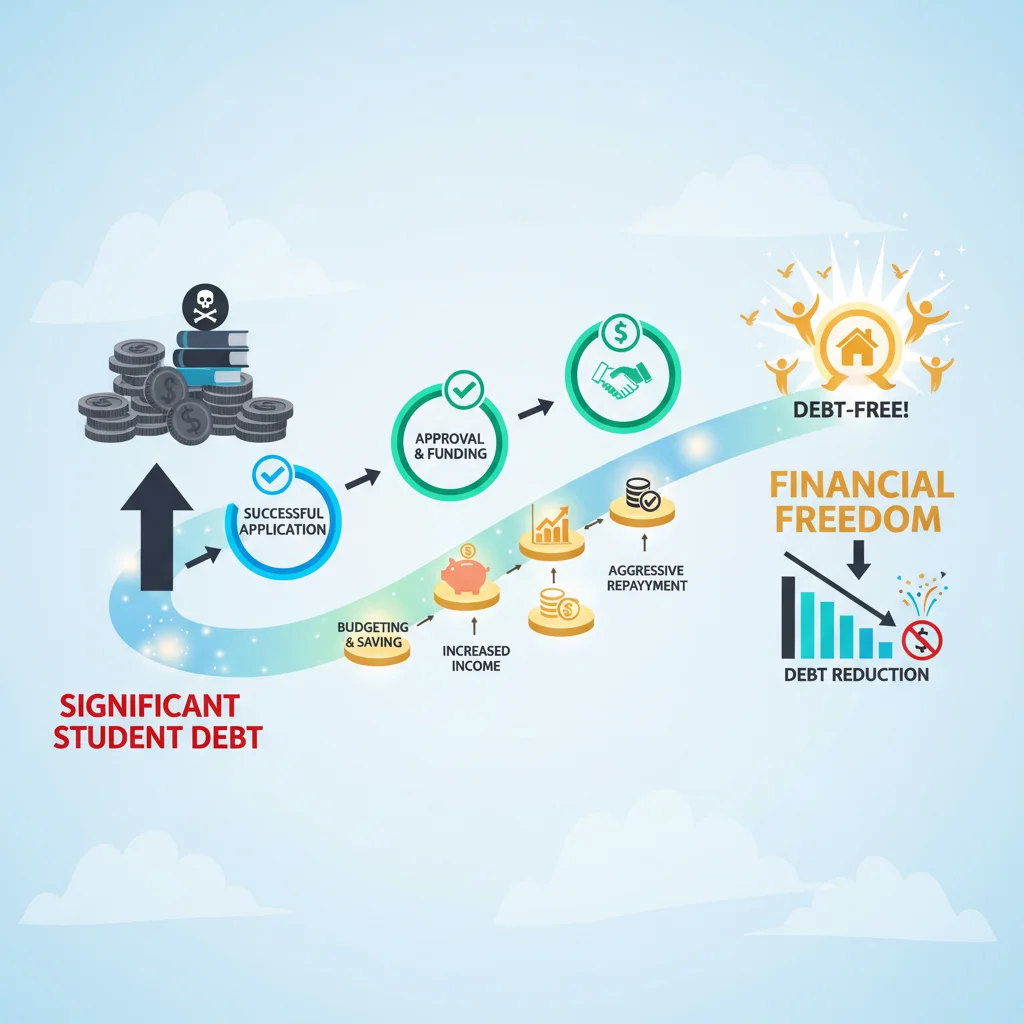
While focusing on student loan forgiveness 2026 is important, remember that it’s one piece of your broader financial puzzle. Continue to build an emergency fund, pay down high-interest debt (like credit cards), save for retirement, and manage your budget effectively. A strong overall financial foundation will put you in the best position to leverage any forgiveness opportunities and achieve long-term financial stability.
Conclusion: Preparing for a New Era of Student Loan Forgiveness
The anticipated updates for student loan forgiveness 2026 represent a pivotal moment for millions of borrowers. The refinement of Income-Driven Repayment plans, the expansion and simplification of Public Service Loan Forgiveness, and the introduction of targeted initiatives like "Fresh Start" collectively aim to create a more equitable and accessible system for student debt relief. These changes have the potential to significantly reduce the financial burden on individuals, allowing them to pursue their educational and career aspirations without the crushing weight of insurmountable debt.
However, the effectiveness of these programs ultimately hinges on borrower awareness and proactive engagement. The onus is on you, the borrower, to stay informed, understand the nuances of your specific loan situation, and take deliberate steps to position yourself for success. This means regularly checking official government websites, maintaining accurate records, and not hesitating to seek expert advice when necessary.
As we move towards 2026, the rhetoric around student loan debt is shifting from one of crisis to one of opportunity. With these new updates, the path to financial freedom through student loan forgiveness is becoming clearer and more attainable for a larger segment of the population. By embracing the strategies outlined in this guide, you can confidently navigate the evolving landscape, make informed decisions, and ultimately, achieve significant relief from your student loan obligations. Your journey towards debt reduction in 2026 is not just about understanding policy; it’s about empowering yourself with knowledge and taking control of your financial future.