2026 Inflation Outlook: Protect Savings from 4% Decline
The 2026 Inflation Outlook: How to Shield Your Savings from a Projected 4% Decline in Purchasing Power
As we navigate the complexities of the global economy, the specter of inflation continues to loom large. Projections for the 2026 inflation outlook suggest a potential 4% decline in purchasing power, a figure that demands serious attention from individuals and businesses alike. This isn’t just a theoretical economic concept; it’s a tangible threat to your hard-earned savings, your future financial security, and your ability to maintain your current lifestyle. Understanding the mechanisms behind this projected decline and, more importantly, implementing effective strategies to mitigate its impact are paramount. This comprehensive guide will delve into the anticipated economic landscape of 2026, analyze the drivers of inflation, and provide actionable steps to fortify your financial position against the erosion of your wealth.
The global economy is a dynamic and interconnected system, influenced by a myriad of factors ranging from geopolitical tensions and supply chain disruptions to monetary policies and technological advancements. Each of these elements plays a crucial role in shaping the inflationary environment. For instance, disruptions in global supply chains, a persistent issue since the pandemic, can lead to increased production costs and, consequently, higher consumer prices. Similarly, expansive monetary policies, while intended to stimulate economic growth, can sometimes inject too much liquidity into the system, fueling inflation. Geopolitical events, such as conflicts or trade disputes, can also send shockwaves through markets, impacting energy prices, commodity costs, and overall economic stability. Therefore, a holistic understanding of these various forces is essential to grasp the nuances of the 2026 inflation outlook.
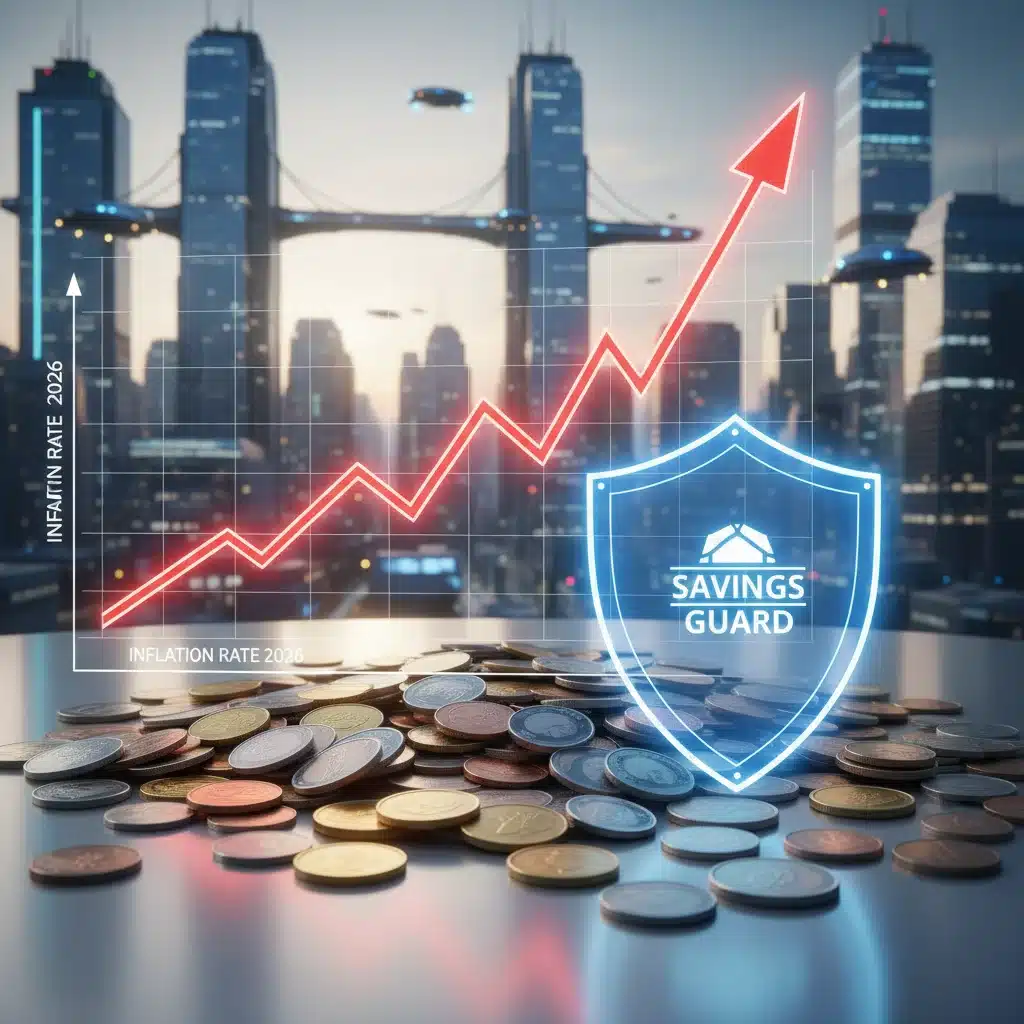
The implications of a 4% decline in purchasing power are significant. It means that what $100 can buy today will only be worth $96 in real terms by 2026. While 4% might seem like a modest figure on its own, its cumulative effect over time, especially when compounded with other economic pressures, can be substantial. For retirees living on fixed incomes, this erosion of purchasing power can significantly impact their quality of life. For young professionals saving for a down payment on a house, it means their savings will buy less property. For businesses, it translates to higher operational costs and the need to constantly adjust pricing strategies, which can be a challenging balancing act between maintaining profitability and retaining customers. Therefore, proactive planning is not just advisable; it’s a necessity in safeguarding your financial future against the projected 2026 inflation outlook.
Understanding the Drivers Behind the 2026 Inflation Outlook
To effectively combat inflation, it’s crucial to understand its root causes. The 2026 inflation outlook is shaped by a confluence of factors, some of which are already in motion, while others are emerging trends. Let’s break down the key drivers:
- Persistent Supply Chain Disruptions: Even as global supply chains show signs of recovery, lingering vulnerabilities remain. Geopolitical events, natural disasters, or unexpected surges in demand can quickly re-ignite bottlenecks, leading to increased transportation costs, inventory shortages, and ultimately, higher prices for consumers. The shift towards reshoring and friend-shoring, while offering long-term resilience, can also initially increase costs as companies adapt to new production landscapes. This structural shift in how goods are produced and moved globally will continue to influence the 2026 inflation outlook.
- Geopolitical Instability: Conflicts, trade wars, and political tensions in key regions can have a profound impact on global markets. Energy prices, in particular, are highly susceptible to geopolitical events, with ripple effects across all sectors of the economy. Sanctions, tariffs, and disruptions to vital shipping routes can drive up the cost of raw materials and finished goods, contributing significantly to inflationary pressures. The unpredictable nature of global politics makes this a significant wildcard in the 2026 inflation outlook.
- Monetary Policy Decisions: Central banks around the world have been walking a tightrope, balancing inflation control with economic growth. While interest rate hikes are a common tool to cool down an overheating economy, too aggressive an approach can trigger a recession. Conversely, maintaining overly loose monetary policies can exacerbate inflationary pressures. The decisions made by central banks in the coming months and years will be critical in shaping the trajectory of inflation towards 2026. Their ability to fine-tune these policies will be a key determinant of the severity of the 2026 inflation outlook.
- Labor Market Dynamics: A tight labor market, characterized by low unemployment and high demand for skilled workers, can lead to wage inflation. As companies compete for talent, they may offer higher salaries and benefits, which can then be passed on to consumers in the form of higher prices. The ongoing shifts in work patterns, the ‘Great Resignation,’ and the demand for new skills in a rapidly evolving technological landscape all contribute to these labor market dynamics. This interplay between labor supply and demand is a significant factor in the overall 2026 inflation outlook.
- Energy Transition Costs: The global push towards renewable energy, while crucial for environmental sustainability, comes with significant upfront investment costs. These costs can initially translate into higher energy prices for consumers and businesses, at least in the transition phase. As economies decarbonize, the demand for traditional fossil fuels may fluctuate, creating volatility in energy markets. The scale and speed of this transition will undeniably influence the 2026 inflation outlook.
- Fiscal Spending and Government Debt: Significant government spending, especially when financed by borrowing, can inject large amounts of money into the economy, potentially fueling demand-pull inflation. While such spending can be necessary for infrastructure projects or social programs, its impact on the money supply needs careful monitoring. The level of national debt and the cost of servicing that debt can also create upward pressure on prices. The balance between fiscal stimulus and inflationary risk will be a key consideration for governments in the lead-up to the 2026 inflation outlook.
- Technological Advancements and Disruption: While technology often drives efficiency and lowers costs in the long run, the initial investment in new technologies, especially in areas like AI and automation, can be substantial. Furthermore, disruptions caused by new technologies can create temporary imbalances in supply and demand in certain sectors. However, technology also offers potential solutions to inflationary pressures by increasing productivity and creating new, more efficient ways of producing goods and services. The net effect of technological change on the 2026 inflation outlook is a complex interplay of these factors.
- Climate Change Impacts: Extreme weather events, increasingly frequent due to climate change, can severely impact agricultural output, disrupt supply chains, and damage infrastructure. These events can lead to shortages of food and other essential goods, driving up prices. The costs associated with adapting to and mitigating climate change also represent a significant economic burden that can contribute to inflationary pressures. The growing recognition of climate change as an economic factor will undoubtedly shape the 2026 inflation outlook.
Proactive Strategies to Protect Your Savings from the 2026 Inflation Outlook
Given the projected 4% decline in purchasing power, a passive approach to your finances is no longer viable. Proactive and strategic planning is essential to protect your savings and even grow your wealth. Here are several key strategies to consider:
1. Diversify Your Investment Portfolio
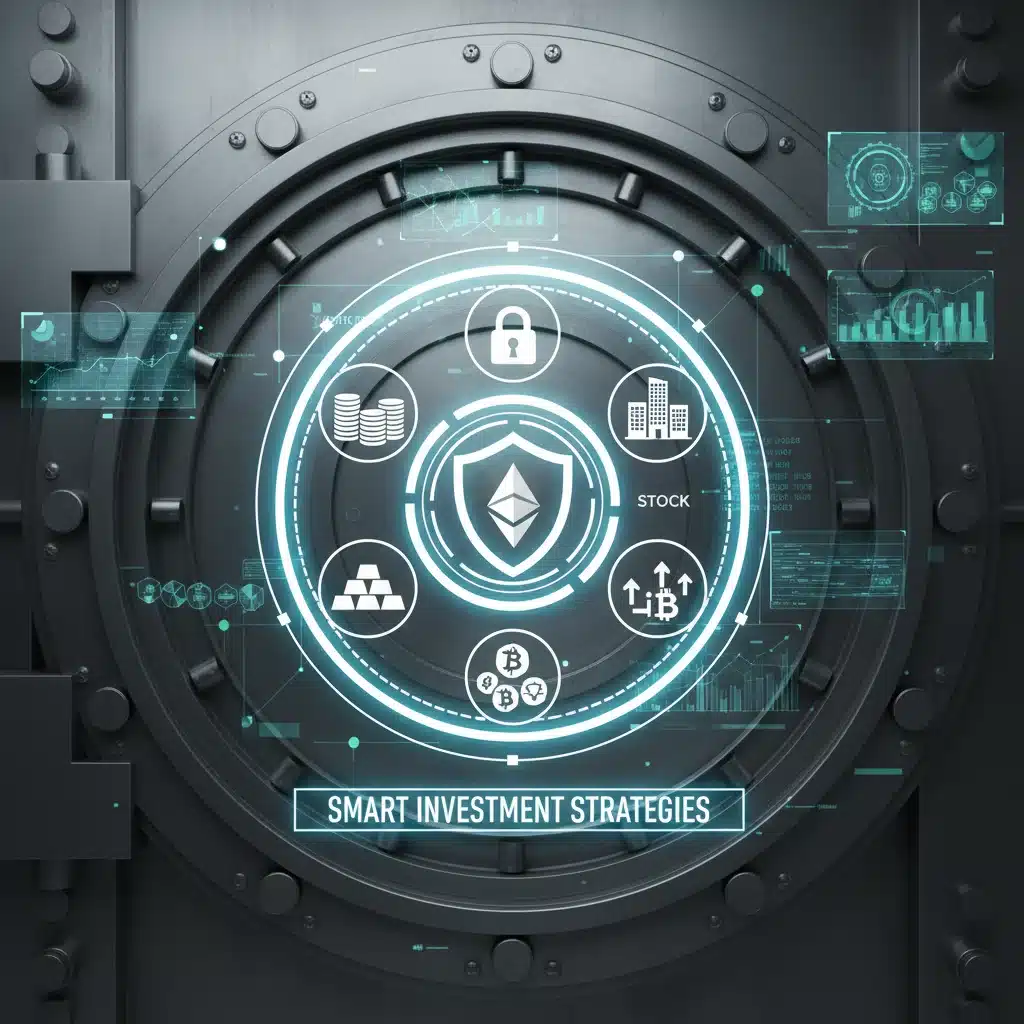
Diversification is the cornerstone of any robust investment strategy, and it becomes even more critical in an inflationary environment. Relying too heavily on a single asset class can expose you to significant risk. Instead, spread your investments across a variety of assets that tend to perform differently during periods of inflation.
- Inflation-Indexed Securities (TIPS): Treasury Inflation-Protected Securities (TIPS) are bonds issued by the U.S. Treasury that are indexed to inflation. Their principal value adjusts with the Consumer Price Index (CPI), meaning both the principal and interest payments rise with inflation, providing a direct hedge against rising prices. They are a reliable way to protect the real value of your capital.
- Real Estate: Historically, real estate has been considered a strong hedge against inflation. Property values and rental income tend to increase with inflation, providing both capital appreciation and a steady stream of income. Consider investing in income-generating properties or real estate investment trusts (REITs), which allow you to invest in a portfolio of income-producing properties without directly owning them.
- Commodities: Raw materials like gold, silver, oil, and agricultural products often see their prices rise during inflationary periods. Investing in commodities directly or through commodity-focused exchange-traded funds (ETFs) can offer a degree of protection. Gold, in particular, is often viewed as a safe-haven asset during economic uncertainty and inflationary times.
- Stocks of Companies with Pricing Power: Not all stocks perform equally during inflation. Focus on companies that have strong pricing power, meaning they can pass on increased costs to their customers without significantly impacting demand. These often include companies in essential sectors like consumer staples, healthcare, and utilities, or those with strong brand loyalty and unique products.
- Dividend-Paying Stocks: Companies that consistently pay and ideally increase their dividends can provide a growing income stream that helps offset the erosion of purchasing power. Look for companies with a long history of dividend growth and strong financial health.
2. Re-evaluate Your Debt Strategy
Inflation impacts both your assets and your liabilities. Understanding how to manage your debt in an inflationary environment can be just as important as managing your investments.
- Lock in Low Fixed-Rate Debt: If you have variable-rate debt, such as certain mortgages or credit lines, consider converting it to a fixed-rate option if possible. As interest rates tend to rise with inflation, locking in a lower fixed rate can save you significant money over the long term. This strategy becomes particularly potent as the 2026 inflation outlook suggests sustained inflationary pressures.
- Accelerate Debt Repayment (Strategic): While inflation can make existing fixed-rate debt cheaper in real terms (as the value of money used to repay it decreases), it’s often wise to pay down high-interest debt, especially variable-rate debt. This frees up cash flow and reduces your overall financial risk.
- Avoid New High-Interest Debt: With rising interest rates, new borrowing becomes more expensive. Limit new high-interest debt, such as credit card balances, to avoid compounding the impact of inflation on your finances.
3. Optimize Your Cash Holdings
Keeping too much cash in a low-interest savings account during an inflationary period is akin to watching your money slowly diminish in value. While an emergency fund is crucial, excess cash should be put to work.
- High-Yield Savings Accounts: Seek out high-yield savings accounts or money market accounts that offer interest rates above the national average. While they may not fully outpace inflation, they can help mitigate some of the loss in purchasing power.
- Short-Term CDs: Consider short-term Certificates of Deposit (CDs) for funds you don’t need immediate access to. These often offer slightly higher interest rates than standard savings accounts.
- I Bonds: Series I Savings Bonds are another excellent option, as their interest rates are adjusted semi-annually based on inflation. They offer a guaranteed real return and are backed by the U.S. government.
4. Invest in Yourself and Your Skills
Your greatest asset is often your ability to earn. In an inflationary environment, increasing your income can be a powerful defense mechanism.
- Skill Development: Invest in training, certifications, or education that enhances your skills and makes you more valuable in the job market. This can lead to promotions, higher salaries, or opportunities for new income streams.
- Negotiate for Raises: Don’t be afraid to negotiate for salary increases that reflect your contributions and the rising cost of living. Be prepared to demonstrate your value and research market rates for your position.
- Explore Side Hustles: Consider developing a side hustle or freelance work to supplement your primary income. This can provide an additional buffer against inflation and diversify your income sources.
5. Adjust Your Budget and Spending Habits
Inflation directly impacts the cost of everyday goods and services. Adapting your budget and spending habits is crucial for maintaining financial stability.
- Track Your Expenses: Understand where your money is going. Use budgeting apps or spreadsheets to meticulously track your income and expenses. This will help you identify areas where you can cut back.
- Cut Discretionary Spending: Review non-essential expenses and identify areas where you can reduce spending. This might include dining out less, finding cheaper entertainment options, or delaying large discretionary purchases.
- Bulk Buying and Sales: Take advantage of sales, discounts, and bulk buying opportunities for non-perishable goods. This can help lock in lower prices before they increase further.
- Energy Efficiency: Invest in energy-efficient appliances and practices to reduce utility bills. This can be a significant saving, especially as energy prices are often a major driver of inflation.
- Meal Planning: Plan your meals in advance and cook at home more often to reduce food expenses, which are often among the first to rise with inflation.
6. Consider Alternative Investments
Beyond traditional assets, several alternative investments can offer protection against inflation, though they often come with higher risk and require more specialized knowledge.
- Cryptocurrencies (with caution): While highly volatile, some cryptocurrencies are seen by proponents as a hedge against fiat currency inflation due to their decentralized nature and limited supply. However, their significant price swings make them a high-risk option.
- Private Equity/Venture Capital: Investing in private companies can offer exposure to growth sectors that may be less correlated with public markets. However, these are illiquid investments and typically only accessible to accredited investors.
- Collectibles and Fine Art: Certain high-value collectibles, such as art, rare coins, or vintage cars, can appreciate in value during inflationary times, as they are seen as stores of value. This is a niche market requiring expertise.
The Role of Government and Central Banks in the 2026 Inflation Outlook
While individual actions are vital, the broader economic environment is heavily influenced by policy decisions. Governments and central banks play a critical role in managing inflation, and their strategies will significantly impact the 2026 inflation outlook.
- Fiscal Policy: Government spending and taxation policies can either fuel or curb inflation. Responsible fiscal management, including efforts to reduce national debt and targeted spending on productivity-enhancing projects, can help stabilize prices. However, excessive spending without a corresponding increase in productivity can exacerbate inflationary pressures.
- Monetary Policy: Central banks, through tools like interest rates, quantitative easing, and reserve requirements, aim to control the money supply and credit conditions. Their primary mandate often includes maintaining price stability. The Federal Reserve, for example, will continue to monitor economic data closely and adjust its policies to guide inflation back to its target levels. However, the effectiveness of these tools can be limited by external factors and the inherent lags in monetary policy transmission.
- Regulatory Environment: Regulations can impact supply chains, market competition, and business costs. Policies that promote competition, reduce unnecessary regulatory burdens, and foster innovation can help mitigate inflationary pressures by increasing efficiency and supply. Conversely, over-regulation can stifle supply and drive up costs.
- International Cooperation: Given the global nature of inflation, international cooperation on trade, energy policy, and financial stability is crucial. Coordinated efforts to address supply chain vulnerabilities, manage commodity prices, and stabilize currency markets can have a significant impact on global inflation trends.
Understanding these macro-level dynamics is important for individuals because it provides context for their personal financial decisions. While you cannot control these forces, being aware of them allows for better anticipation and adaptation to the evolving economic landscape that will define the 2026 inflation outlook.
Long-Term Planning Beyond 2026: Building Resilience
While the focus here is on the 2026 inflation outlook, effective financial planning extends far beyond a single year. Building long-term financial resilience requires a continuous commitment to sound principles and adaptability.
- Regular Portfolio Review: Don’t just set and forget your investments. Regularly review your portfolio to ensure it remains aligned with your financial goals, risk tolerance, and the prevailing economic conditions. Rebalance as needed to maintain your desired asset allocation.
- Emergency Fund: Always maintain a robust emergency fund, ideally covering 3-6 months of essential living expenses. This provides a crucial safety net during unexpected financial shocks, preventing you from having to sell investments at inopportune times.
- Inflation-Adjusted Retirement Planning: When planning for retirement, always factor in inflation. Ensure your projected retirement income is inflation-adjusted to accurately reflect the purchasing power you’ll need in the future. This involves using realistic inflation assumptions in your financial models.
- Professional Financial Advice: Consider consulting a qualified financial advisor. They can provide personalized advice tailored to your specific circumstances, helping you navigate complex economic landscapes and optimize your strategies for the 2026 inflation outlook and beyond.
- Stay Informed: The economic landscape is constantly evolving. Stay informed about economic news, market trends, and policy changes. Knowledge is power when it comes to protecting your wealth.

The Psychological Impact of Inflation and Managing Expectations
Beyond the purely financial aspects, inflation can have a significant psychological impact. The feeling that your money is losing value can cause anxiety and lead to poor financial decisions. Managing your expectations and maintaining a rational approach are crucial.
- Focus on Real Returns: Instead of fixating on nominal returns (the raw percentage gain), focus on real returns, which account for inflation. A 5% investment return when inflation is 4% is only a 1% real return. This perspective helps in making more informed investment choices.
- Avoid Panic: Economic headlines can often be sensationalized. While it’s important to be aware of risks, avoid making impulsive decisions based on short-term news cycles. Stick to your long-term financial plan.
- Be Adaptable: The economic environment is rarely static. Be prepared to adapt your strategies as new information emerges and as the 2026 inflation outlook (and subsequent years) evolves. Flexibility is a valuable asset.
- Financial Literacy: Continuously educate yourself about personal finance and economic principles. The more you understand how the economy works, the better equipped you’ll be to make sound decisions and avoid common pitfalls.
- Community and Support: Discussing financial concerns with trusted friends, family, or financial professionals can provide perspective and emotional support. You are not alone in facing these challenges.
The projected 4% decline in purchasing power by 2026 is a call to action. It underscores the importance of being vigilant, strategic, and adaptable in your financial planning. By understanding the drivers of inflation, implementing diversified investment strategies, optimizing your cash flow, and continuously investing in your human capital, you can not only protect your savings but also position yourself for growth. The future is uncertain, but with careful planning and proactive measures, you can navigate the complexities of the 2026 inflation outlook and secure a more stable financial future for yourself and your loved ones.
Remember, financial resilience is not built overnight; it’s a journey of continuous learning, adjustment, and disciplined action. Start today by reviewing your current financial situation, identifying areas for improvement, and implementing the strategies discussed in this guide. Your financial well-being in 2026 and beyond depends on the choices you make now. Don’t let inflation erode your hard-earned wealth; empower yourself with knowledge and action.
The global economic landscape is ever-changing, and the factors influencing inflation are multifaceted. From the lingering effects of global supply chain disruptions to the evolving geopolitical climate and the intricate dance of monetary policy, each element contributes to the overall 2026 inflation outlook. Understanding these interconnected forces is the first step in formulating an effective defense strategy for your savings. It’s not just about reacting to current events, but about anticipating future trends and positioning yourself strategically. For instance, the ongoing debate around the future of work and the increasing adoption of artificial intelligence could also introduce new dynamics into the labor market, potentially influencing wage growth and overall economic productivity, which in turn impacts inflation. Staying abreast of these broader trends allows for more informed decision-making.
Furthermore, the shift towards sustainable and green economies, while beneficial for the planet, may also introduce short-term inflationary pressures as industries transition and new infrastructure is built. The cost of carbon pricing, renewable energy investments, and the retooling of manufacturing processes can all contribute to higher prices in the interim. However, in the long run, these transitions could lead to more stable and efficient energy systems, potentially mitigating future inflationary shocks related to fossil fuel dependence. The 2026 inflation outlook might therefore represent a critical juncture in this broader economic transformation. Your investment choices, such as favoring companies committed to sustainable practices, could not only align with your values but also offer resilience in a changing economic paradigm.
Finally, the psychological aspect of inflation cannot be overstated. Constant news about rising prices can create a sense of unease and urgency, sometimes leading to irrational financial decisions. It is crucial to ground your decisions in data and a well-thought-out plan, rather than succumbing to panic. Cultivating a long-term perspective and understanding that economic cycles are natural can help maintain composure. By focusing on what you can control – your saving habits, investment choices, and skill development – you can build confidence and navigate the challenges posed by the 2026 inflation outlook with greater certainty. Empowering yourself with financial literacy and seeking professional advice when needed are key components of this resilient mindset.