National Housing Market Report 2025-2026: Prices Up, Strong Forecast
Anúncios
National Housing Market Report: Home Prices Soar 6% in Late 2025, Strong Outlook for 2026
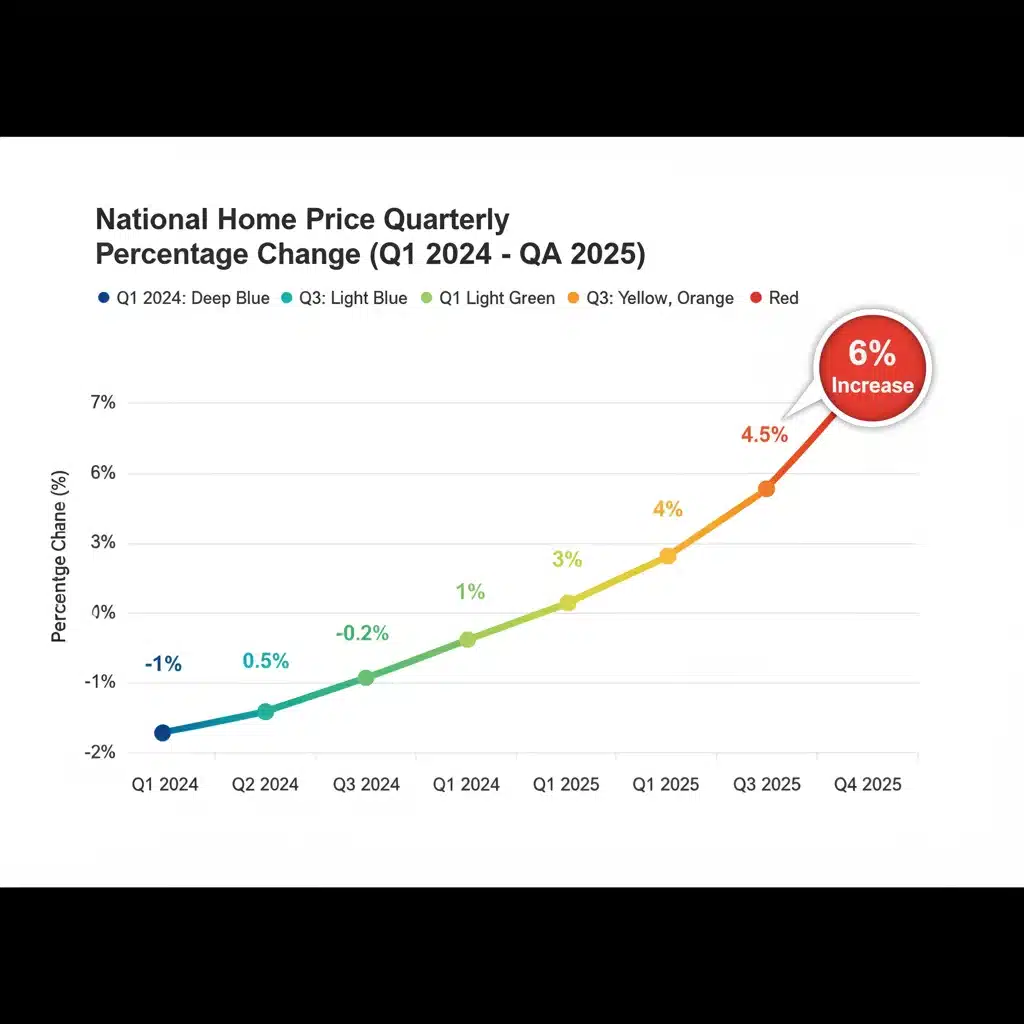
The real estate landscape is ever-evolving, and recent data points to a particularly robust period. The national housing market forecast for late 2025 and into 2026 paints a picture of sustained growth and resilience. Specifically, the last three months of 2025 witnessed a significant surge, with national home prices increasing by a remarkable 6%. This upward trajectory has set a confident tone for the year ahead, leading many to anticipate a strong continuation of positive trends throughout 2026. Understanding the nuances of this report is crucial for anyone involved in the real estate sector, from prospective homeowners to seasoned investors and industry professionals.
Anúncios
This comprehensive analysis will delve into the key drivers behind this impressive growth, explore regional variations, assess potential challenges, and provide insights into what the future holds for the housing market forecast. We’ll examine the interplay of economic factors, supply and demand dynamics, and evolving consumer behavior to offer a holistic view of the current and projected state of the housing sector.
Understanding the 6% Surge in National Home Prices (Q4 2025)
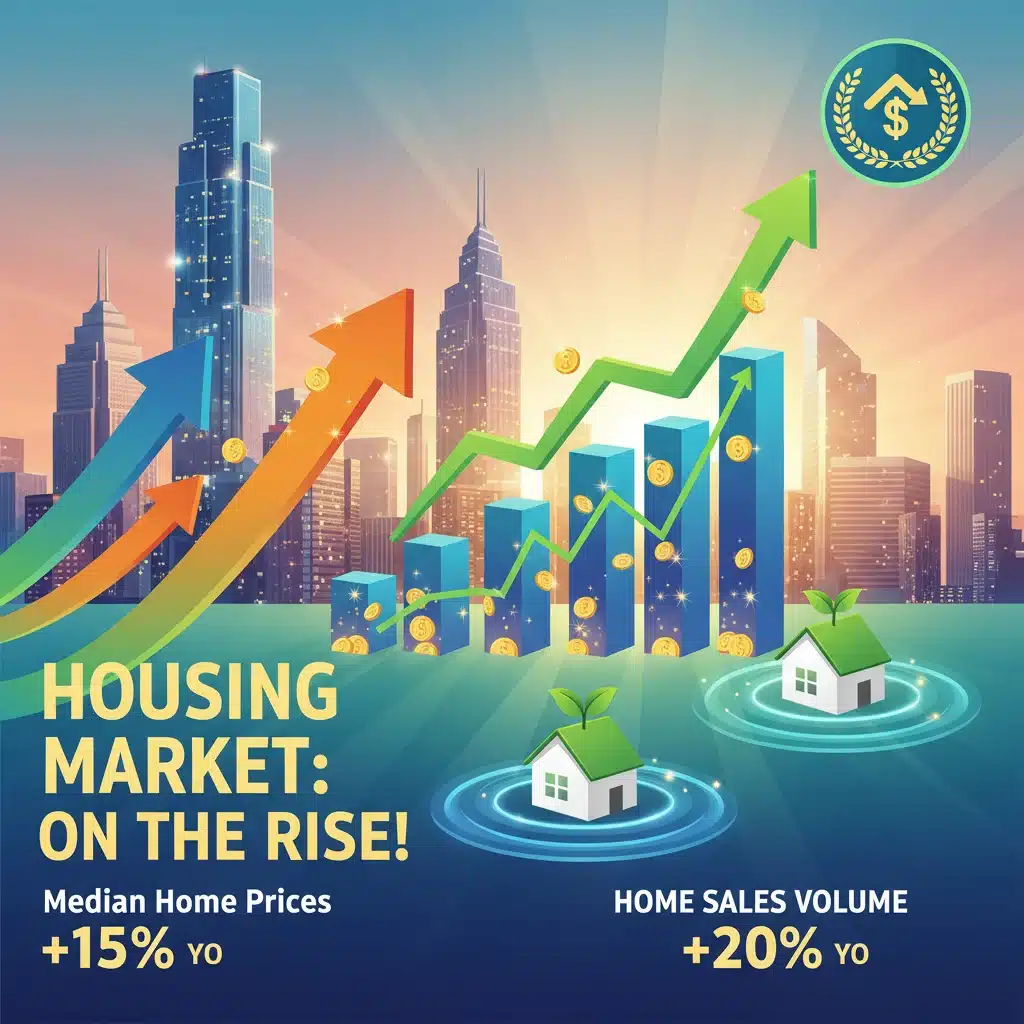
The 6% increase in national home prices during the final quarter of 2025 is more than just a number; it reflects a confluence of powerful economic forces and shifting market dynamics. Several factors contributed to this significant rise, solidifying a positive trend for the overall housing market forecast.
Key Drivers of Price Appreciation
- Strong Buyer Demand: Despite earlier concerns about affordability, buyer demand remained exceptionally strong. A combination of favorable demographic trends (millennials entering prime home-buying years), a desire for larger living spaces, and a renewed sense of confidence in the economy fueled this persistent demand. Many buyers who had been on the sidelines due to previous market uncertainties re-entered the market, eager to secure properties before prices climbed further.
- Limited Housing Supply: One of the most consistent themes in recent housing cycles has been the persistent shortage of available homes. While new construction has seen some increases, it has not been enough to fully meet the burgeoning demand. This imbalance between supply and demand naturally pushes prices upwards, especially in desirable neighborhoods and metropolitan areas. The scarcity of existing homes on the market meant that bidding wars, while perhaps less frenzied than in peak pandemic times, were still a common occurrence, driving up final sale prices.
- Stabilized Interest Rates: After a period of volatility, interest rates showed signs of stabilization, and in some instances, even slight decreases, towards the end of 2025. This provided a crucial boost to buyer confidence and affordability, making mortgages more accessible and attractive. Lower interest rates translate to lower monthly payments, allowing buyers to stretch their budgets further and compete more effectively for homes. The perception that interest rates might not go significantly lower in the near future also spurred some fence-sitters to act.
- Economic Resilience and Job Growth: A robust national economy, characterized by sustained job growth and low unemployment rates, provided a strong foundation for the housing market. When people feel secure in their employment and have increasing disposable income, they are more likely to invest in major assets like homes. This economic stability instilled confidence in both buyers and lenders, further supporting the upward trend in home values.
- Inflationary Pressures: While not a direct driver of housing demand, broader inflationary pressures across the economy can also contribute to rising asset prices, including real estate. Investors and individuals often view real estate as a hedge against inflation, leading to increased investment and further upward pressure on prices.
The collective impact of these factors created a powerful upward momentum, culminating in the impressive 6% price increase. This data underscores the intrinsic value and enduring appeal of real estate as an investment and a fundamental need, shaping the positive housing market forecast for the future.
Regional Breakdown: Where Did Prices See the Biggest Gains?
While the national average indicates a strong 6% increase, it’s important to recognize that the housing market is inherently local. Price appreciation varied significantly across different regions and metropolitan areas. Understanding these regional disparities is key to a granular housing market forecast.
Hot Spots and Emerging Markets
- Southeast Dominance: States like Florida, Georgia, and the Carolinas continued to be major beneficiaries of population migration and strong economic development. Cities such as Miami, Atlanta, and Charlotte experienced some of the highest year-over-year price increases, driven by inward migration, business relocations, and relatively lower costs of living compared to traditional coastal hubs. The warm climate and favorable tax policies also played a significant role in attracting new residents.
- Southwest Resilience: Arizona, Texas, and Nevada also saw substantial gains. Markets like Phoenix, Austin, and Las Vegas maintained their appeal, attracting both remote workers and businesses. Despite some concerns about overvaluation in previous periods, these markets demonstrated strong underlying demand and continued to appreciate. The availability of land for development, though decreasing, still offered some relief compared to fully built-out regions.
- Midwest Momentum: While not always grabbing national headlines, several Midwest cities experienced steady and healthy growth. Markets like Indianapolis, Kansas City, and Columbus benefited from increased affordability, a strong job market, and a renewed focus on urban revitalization. These areas often offered a more balanced market with less intense competition than the coastal giants, making them attractive to first-time homebuyers and those seeking better value.
- Northeast and West Coast Stability: Major metropolitan areas on the Northeast (e.g., Boston, New York suburbs) and West Coast (e.g., Seattle, parts of California) saw more moderate, yet consistent, appreciation. These markets, characterized by high barriers to entry and established property values, continued to be desirable, though their growth rates were often tempered by existing high price points and limited inventory. Urban centers, in particular, saw a resurgence as office returns became more commonplace.
The divergence in regional performance highlights the importance of localized data when assessing the housing market forecast. While national trends provide an overarching narrative, individual market conditions dictate the real-world experience for buyers and sellers.
The 2026 Housing Market Forecast: Continued Strength and Key Trends
Looking ahead, the housing market forecast for 2026 remains overwhelmingly positive, building on the momentum established in late 2025. However, several key trends and potential shifts will shape its trajectory.
Anticipated Trends for 2026
- Sustained, but Moderated, Price Growth: While the 6% surge in Q4 2025 was significant, experts anticipate a more moderate, yet still healthy, rate of appreciation throughout 2026. This would be a welcome development, allowing for a more sustainable market without the overheating concerns seen in previous boom cycles. A typical forecast might hover around 3-5% national appreciation for the full year.
- Interest Rate Stability or Slight Decreases: The consensus among economists suggests that interest rates will either remain stable or potentially see marginal decreases as inflation continues to cool. This stability will continue to support affordability and encourage buyer activity, acting as a tailwind for the housing market forecast. However, significant drops are unlikely, meaning buyers shouldn’t wait indefinitely for ‘rock bottom’ rates.
- Increased Inventory (Gradual): There’s an expectation that housing inventory will gradually increase in 2026. This will come from a combination of new construction catching up with demand, and potentially more existing homeowners choosing to sell as they gain equity and feel more comfortable with market conditions. A slight increase in inventory would help alleviate some of the competitive pressures, offering more choices to buyers.
- Focus on Affordability: As prices continue to rise, affordability will remain a critical factor. Buyers, particularly first-time homebuyers, will increasingly look to more affordable markets or seek out innovative financing solutions. This could lead to continued strong performance in secondary and tertiary markets that offer better value. Policy discussions around affordable housing will also gain traction.
- Continued Migration Patterns: The trend of migration towards more affordable, high-growth regions is expected to continue. People seeking a better quality of life, lower cost of living, or remote work opportunities will continue to drive demand in these emerging markets, reinforcing their strong housing market forecast.
- Technological Integration: The integration of technology in real estate will deepen. Virtual tours, AI-powered property matching, and blockchain for property transactions will become even more commonplace, streamlining processes for both buyers and sellers.
The outlook for 2026 suggests a balanced market, characterized by continued demand, a gradual increase in supply, and stable economic conditions. This creates a favorable environment for both buying and selling, provided participants remain informed and agile.
Challenges and Considerations for the 2026 Housing Market
While the overall housing market forecast is strong, it’s important to acknowledge potential challenges that could influence its trajectory in 2026. A comprehensive understanding includes both opportunities and obstacles.
Potential Headwinds
- Persistent Affordability Issues: Despite stable interest rates, rising home prices will continue to challenge affordability, especially for first-time buyers and those in high-cost-of-living areas. Wage growth needs to keep pace with home price appreciation to prevent a widening gap. This could lead to some buyers being priced out of certain markets.
- Inflationary Pressures and Economic Slowdown: While the economy is currently robust, unforeseen inflationary spikes or a broader economic slowdown could impact consumer confidence and spending power, potentially dampening housing demand. Geopolitical events or supply chain disruptions could reignite inflation concerns.
- Inventory Still Tight: While inventory is expected to increase, it may not be enough to fully normalize the market in all regions. Persistent supply shortages, particularly for starter homes, could keep competitive pressures high in certain segments. New construction faces ongoing challenges with labor shortages and material costs.
- Lending Standards: Should economic conditions shift, there’s a possibility that lending standards could tighten, making it more difficult for some buyers to qualify for mortgages. This is a less likely scenario given the current positive outlook but remains a consideration.
- Geopolitical and Global Economic Factors: Events on the global stage, such as international conflicts, trade disputes, or significant economic shifts in other major economies, can have ripple effects on the U.S. housing market through investor confidence, supply chains, and overall economic stability.
- Local Market Overvaluation: In some particularly hot regional markets, there might be a risk of overvaluation. While a national crash is not anticipated, localized corrections could occur if prices have outpaced local economic fundamentals too significantly.
Navigating these challenges will require vigilance and adaptability from all market participants. Staying informed about economic indicators and regional trends will be paramount to making sound decisions within the 2026 housing market forecast.
Implications for Buyers, Sellers, and Investors
The current and projected state of the housing market forecast has distinct implications for different groups.
For Buyers
The strong market suggests that waiting indefinitely for a significant price drop might not be a viable strategy. With interest rates likely to remain stable and prices continuing to appreciate, locking in a rate and a home sooner rather than later could be advantageous. Focus on pre-approval to strengthen your offer and be prepared to act quickly in competitive markets. Consider expanding your search to include slightly less competitive neighborhoods or emerging markets that offer better value. Don’t overlook the importance of a skilled real estate agent who can navigate these conditions effectively.
For Sellers
This is generally a favorable market for sellers. The continued demand and limited inventory mean that well-priced and well-presented homes are likely to attract multiple offers and sell relatively quickly. While the frenzied pace of previous years might have moderated slightly, sellers still hold a strong position. Focus on strategic pricing, professional staging, and high-quality marketing to maximize your home’s appeal and achieve the best possible sale price. Understanding local market comparables is crucial to setting the right price.

For Investors
The sustained appreciation and strong rental demand in many areas make real estate an attractive investment. Investors should look for markets with strong job growth, population influx, and a good balance of affordability and rental yields. The long-term outlook for real estate remains positive, making it a valuable asset class for portfolio diversification. Consider different investment strategies, from traditional buy-and-hold to exploring opportunities in new construction or distressed properties, depending on your risk tolerance and market knowledge. The stability implied by the housing market forecast for 2026 makes it an opportune time for strategic investments.
The Role of Economic Policy and Global Factors
Government policies and global economic trends play a crucial role in shaping the housing market forecast. Understanding these broader influences provides context for local market dynamics.
Monetary Policy and Interest Rates
The Federal Reserve’s decisions on interest rates are perhaps the most significant external factor influencing the housing market. Towards the end of 2025, the Fed’s stance on inflation and economic growth contributed to the stabilization of mortgage rates, which in turn supported buyer activity. For 2026, the expectation is for continued prudence from the Fed, aiming for a ‘soft landing’ that keeps inflation in check without stifling economic growth. Any unexpected shifts in monetary policy could, however, introduce volatility to the housing sector.
Government Initiatives and Regulations
Local and federal government initiatives related to housing affordability, zoning reforms, and infrastructure development can significantly impact supply and demand. Programs designed to assist first-time homebuyers or incentivize new construction can alleviate pressure on prices. Conversely, restrictive zoning laws or bureaucratic hurdles can exacerbate supply shortages. Monitoring these policy developments is essential for a complete housing market forecast.
Global Economic Health
The interconnectedness of the global economy means that international events can have domestic repercussions. Economic slowdowns in major trading partners, geopolitical tensions, or shifts in global capital flows can influence investor confidence and the overall economic sentiment, which indirectly affects the housing market. A stable global environment generally supports a strong domestic housing market forecast.
Conclusion: A Resilient and Growing Housing Market
The national housing market closed 2025 on a high note, with a robust 6% increase in home prices during the last three months of the year. This impressive performance lays a strong foundation for a confident housing market forecast in 2026. Driven by sustained buyer demand, a gradually improving but still tight supply, and stable economic conditions, the market appears poised for continued, albeit more moderate, growth.
While challenges such as affordability and regional variations persist, the overarching sentiment is one of resilience and positive momentum. For buyers, sellers, and investors, understanding these trends and adapting strategies accordingly will be key to success in the coming year. The housing market remains a dynamic and vital component of the national economy, reflecting broader economic health and individual aspirations. As we move further into 2026, all indications point to a vibrant and active real estate landscape.