SNAP Benefits 2026: State Comparison & Maximization Guide

Anúncios
The Supplemental Nutrition Assistance Program (SNAP), often referred to as food stamps, is a vital federal program designed to help low-income individuals and families purchase healthy food. While SNAP is a federal program, its administration and specific benefit levels can vary significantly from one state to another. As we look ahead to 2026, understanding these state-by-state differences and knowing how to maximize your allotment becomes increasingly important. This comprehensive guide will delve into what to expect regarding SNAP benefits comparison across states in 2026, eligibility criteria, and practical strategies to make the most of your food assistance.
Anúncios
Understanding SNAP Benefits Across States in 2026
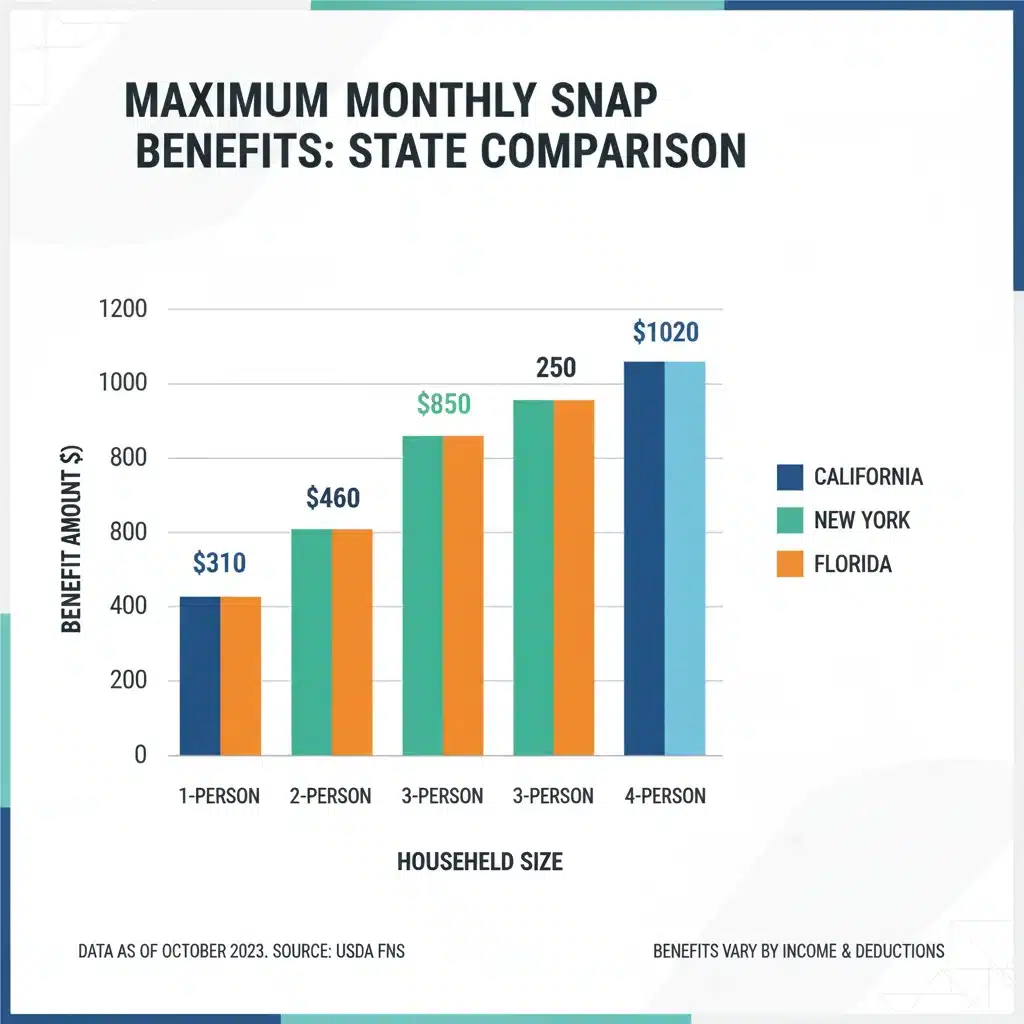
SNAP plays a crucial role in combating food insecurity nationwide. However, the exact amount of assistance an eligible household receives can be influenced by several factors, including household size, income, expenses, and, significantly, the state in which they reside. While the federal government sets baseline rules, states have the flexibility to implement certain aspects of the program, leading to variations in maximum allotments, deductions, and application processes. Preparing for 2026 means understanding these nuances and anticipating potential changes that could impact your SNAP benefits comparison.
The Federal Framework: How SNAP Works
At its core, SNAP is overseen by the U.S. Department of Agriculture (USDA) Food and Nutrition Service (FNS). The program provides eligible low-income individuals and families with benefits issued on an Electronic Benefits Transfer (EBT) card, which works like a debit card to buy eligible food items at authorized retail stores. The amount of benefits a household receives is calculated using a complex formula that considers gross income, net income, household size, and certain allowable deductions for expenses like shelter, utilities, and medical costs for the elderly or disabled.
Annually, the USDA updates the maximum benefit amounts and income eligibility thresholds. These adjustments typically reflect changes in the cost of living and inflation. While these federal guidelines provide a framework, states can exercise options that affect the final benefit calculation for their residents. This is where the concept of SNAP benefits comparison becomes critical, as a household with identical income and expenses might receive different amounts depending on their state of residence.
Key Factors Influencing State-by-State SNAP Variations
Several elements contribute to the differences observed in SNAP benefits comparison across states:
- Maximum Allotments: While the federal government sets maximum benefit amounts based on the Thrifty Food Plan, states can sometimes supplement these benefits with state-funded programs, though this is less common for the core SNAP program. More often, variations arise from how states apply deductions.
- Deductions: States have options regarding how they calculate certain deductions. For instance, the standard utility allowance (SUA) can vary significantly. Some states use a higher SUA, which can lead to a higher net income deduction and, consequently, a higher SNAP benefit. Similarly, states can choose to offer a higher minimum standard deduction or a higher medical expense deduction for qualifying individuals.
- Income Thresholds: While federal guidelines set a general gross income limit at 130% of the federal poverty level (FPL) and a net income limit at 100% of the FPL, some states have implemented broader categorical eligibility, allowing households receiving other forms of public assistance (like TANF) to automatically qualify for SNAP without meeting the strict income and asset tests. This can indirectly affect who qualifies and thus the overall state spending on SNAP.
- Application and Certification Processes: States manage their own application processes, which can range from entirely online to requiring in-person interviews. The efficiency and accessibility of these processes can impact how many eligible individuals successfully enroll and receive benefits.
- State-Specific Programs: Some states offer additional nutrition assistance programs that complement federal SNAP benefits, though these are typically separate from the core SNAP allotment.
Anticipating SNAP Benefits Comparison in 2026
Forecasting exact SNAP benefits comparison for 2026 requires understanding the annual adjustments made by the USDA and any potential legislative changes at the state or federal level. Historically, maximum allotments are adjusted every October 1st to reflect changes in the cost of the Thrifty Food Plan. This means the 2026 adjustments will likely be announced in late 2025.
Key Trends and Potential Changes for 2026:
While specific numbers are not yet available, we can anticipate certain trends:
- Inflationary Adjustments: Given ongoing economic factors, it’s highly probable that maximum SNAP allotments will see an upward adjustment to keep pace with the rising cost of food. This is a standard annual practice.
- Cost of Living Adjustments (COLAs): Standard deductions and income thresholds are also typically adjusted for inflation, which can impact eligibility and benefit amounts.
- State Policy Shifts: Some states may review and revise their policies regarding utility allowances, categorical eligibility, or other deductions. Keeping an eye on state legislative sessions in late 2025 and early 2026 will be crucial for residents to understand potential localized impacts on their SNAP benefits comparison.
- Work Requirements: Federal work requirements for able-bodied adults without dependents (ABAWDs) have seen recent changes. While the most recent federal changes have taken effect, states may continue to adapt their implementation of these requirements, potentially affecting eligibility for some individuals.
- Technological Advancements: States continue to invest in online application portals and digital tools to streamline the application and recertification processes, aiming to improve accessibility and efficiency.
How to Compare SNAP Benefits Effectively
To perform an effective SNAP benefits comparison, it’s important to look beyond just the maximum benefit amounts. Here’s a guide on what to consider:
1. Understand Your State’s Specific Deductions:
- Standard Utility Allowance (SUA): This is a fixed amount that households can deduct for utility expenses. States have options to offer different SUAs (e.g., heating/cooling SUA, non-heating/cooling SUA). A state with a higher SUA can significantly increase your net income deduction, leading to higher benefits.
- Shelter Deduction Cap: For households without an elderly or disabled member, there’s a cap on the shelter deduction. Some states have a higher cap or no cap at all for certain households, which can impact benefits.
- Medical Expense Deduction: For elderly or disabled individuals, medical expenses over a certain threshold are deductible. States may vary in how they calculate this or the minimum threshold.
- Standard Deduction: A fixed deduction based on household size. While federally set, states may have minimal variations or additional state-specific deductions.
2. Review Income and Asset Limits:
While federal guidelines exist, states can opt for categorical eligibility. If your state offers this, it might broaden eligibility for households already receiving other assistance, potentially affecting the overall picture of SNAP benefits comparison.
3. Check for State-Specific Supplements or Programs:
Some states offer their own food assistance programs that run parallel to or supplement federal SNAP. For example, some states have programs for children during summer months or additional benefits for purchasing locally grown produce. Researching these can give a fuller picture of total food assistance availability.
4. Utilize State-Specific Resources:
Every state’s Department of Social Services or Human Services website will have detailed information specific to their SNAP program. These resources are invaluable for understanding the precise rules and calculations that apply where you live. Many states also offer benefit calculators to estimate potential allotments.
Maximizing Your SNAP Allotment in 2026
Even with varying state benefits, there are universal strategies to ensure you receive the maximum possible SNAP allotment and make those benefits stretch further. This is crucial for anyone relying on SNAP benefits comparison.
1. Accurately Report All Expenses:
This is perhaps the most critical step. Many eligible households receive lower benefits than they could because they don’t report all allowable deductions. Ensure you accurately report:
- Shelter Costs: Rent/mortgage, property taxes, homeowner’s insurance.
- Utility Costs: Heating, cooling, electricity, water, sewer, trash, and basic telephone service. If you pay for heating or cooling, ensure you are claiming the highest Standard Utility Allowance (SUA) your state offers.
- Child Care/Dependent Care: Costs incurred for a child or incapacitated adult while you work, look for work, or attend school/training.
- Medical Expenses (for elderly/disabled): Out-of-pocket medical expenses over $35 per month for household members who are age 60 or older or have a disability. This includes doctor visits, prescriptions, health insurance premiums, and transportation to medical appointments.
- Child Support Payments: Legally obligated child support payments made to a non-household member are fully deductible.
Keeping meticulous records of these expenses can make a significant difference in your benefit calculation. Even small, consistent expenses can add up over time.
2. Report Changes Promptly:
If your income decreases, your household size increases, or your expenses go up, report these changes to your state SNAP agency immediately. These changes could lead to an increase in your benefits. Conversely, reporting decreases in expenses or increases in income is also mandatory to avoid overpayments.
3. Understand Your Certification Period and Recertification:
SNAP benefits are approved for a specific certification period (e.g., 6 months, 12 months). It’s vital to complete your recertification application on time to avoid a lapse in benefits. Your state agency will send a notice when it’s time to recertify. Missing this deadline means you might have to reapply from scratch, leading to a gap in assistance.
4. Explore State-Specific Programs and Resources:
Beyond federal SNAP, many states offer complementary programs. Look into:
- Double Up Food Bucks/Farmers Market Programs: Many states and local initiatives offer programs where your SNAP benefits are matched when used at farmers’ markets, allowing you to buy more fresh produce.
- WIC (Women, Infants, and Children): If you are pregnant, postpartum, or have infants/children under five, WIC provides supplemental foods, healthcare referrals, and nutrition education.
- Food Banks and Pantries: Local food banks and pantries can provide additional food assistance, helping your SNAP benefits stretch further.
- Community Gardens and Nutrition Education: Some communities offer free or low-cost gardening resources and nutrition classes that can help you maximize your food budget and improve your diet.
Budgeting and Meal Planning with SNAP Benefits
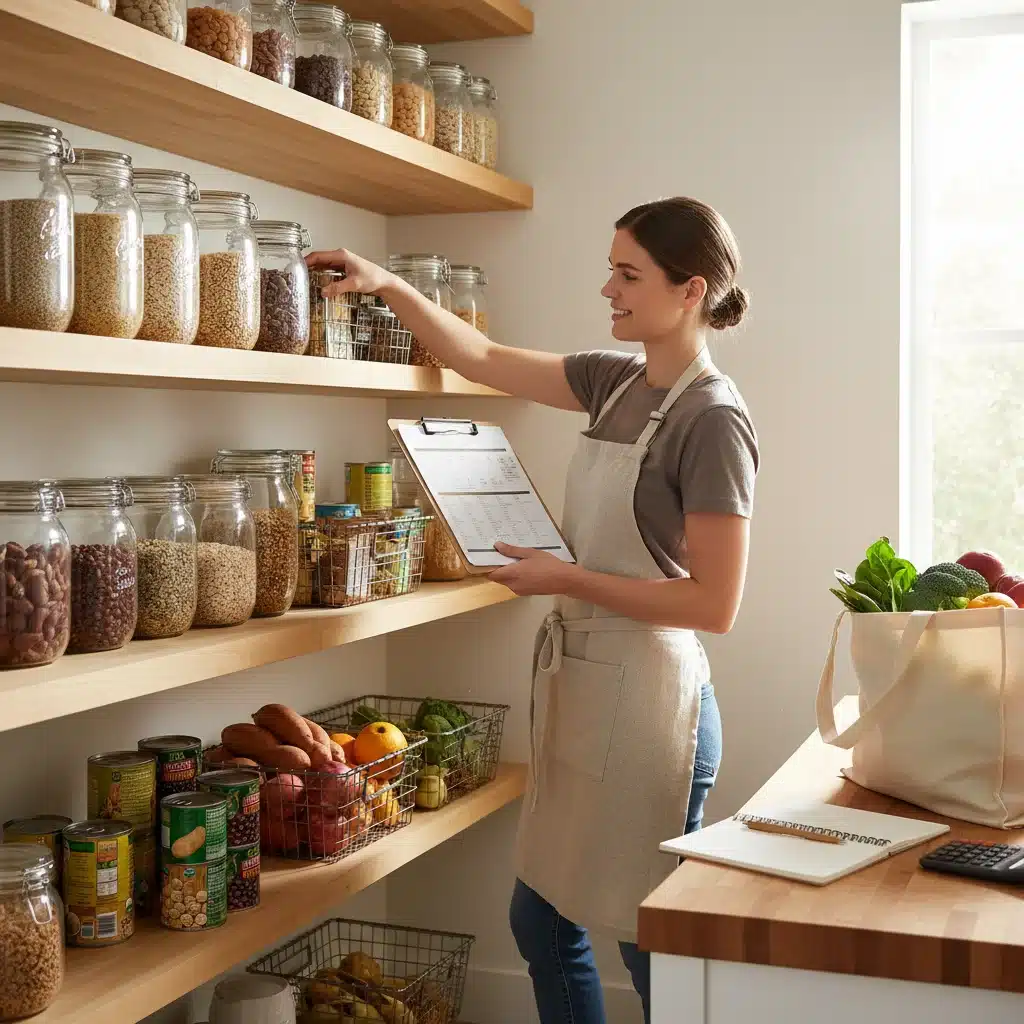
Once you understand your SNAP benefits comparison and receive your allotment, effective budgeting and meal planning are key to making your benefits last the entire month.
- Create a Weekly Meal Plan: Plan your meals around sales, seasonal produce, and ingredients you already have. This reduces impulsive purchases and food waste.
- Shop Smart: Look for sales, use coupons, and compare unit prices. Buying store brands can often save money without sacrificing quality.
- Buy in Bulk (Wisely): Non-perishable items like rice, pasta, and canned goods can often be cheaper when bought in larger quantities. Just ensure you have storage space and will use them.
- Cook at Home: Eating out is expensive. Cooking meals at home allows you to control ingredients and costs.
- Reduce Food Waste: Store food properly, use leftovers creatively, and understand expiration dates. Food waste is wasted money.
- Focus on Nutritious, Affordable Foods: Prioritize whole grains, legumes, seasonal fruits and vegetables, and lean proteins. These are often more affordable and provide better nutrition.
The Future of SNAP: What Else to Watch For
Beyond the annual adjustments, the political landscape can also influence SNAP. Discussions around farm bills, which are typically renewed every five years, often include provisions related to SNAP funding, eligibility, and administration. While the 2023 Farm Bill faced delays and was extended, a new one will eventually be passed, potentially introducing new elements that could affect SNAP benefits comparison in the coming years. Staying informed about these broader legislative discussions is important for long-term planning.
Advocacy and Awareness:
Understanding and advocating for robust nutrition programs is also crucial. Organizations working to end hunger often track legislative changes and provide resources for individuals to make their voices heard. Being aware of these efforts can contribute to the stability and improvement of programs like SNAP.
Conclusion: Navigating SNAP in 2026
Navigating the intricacies of SNAP benefits, especially when considering the state-by-state variations, can seem daunting. However, by understanding the federal framework, anticipating annual adjustments, and being proactive in reporting your household’s financial situation, you can ensure you receive the maximum possible assistance. The SNAP benefits comparison for 2026 will undoubtedly show continued differences, but equipped with the right knowledge and strategies, you can effectively manage your food budget and secure essential nutrition for your household. Always refer to your specific state’s Department of Social Services or Human Services website for the most accurate and up-to-date information relevant to your situation.