New SNAP Policy Updates for 2026: How 2 Million Households Can Access Increased Food Assistance
The Supplemental Nutrition Assistance Program (SNAP) has long been a cornerstone of food security for millions of Americans. As we approach 2026, significant SNAP Policy Updates 2026 are poised to reshape how approximately 2 million households access vital food assistance. These changes are not merely incremental adjustments; they represent a concerted effort to enhance the program’s reach, streamline its administration, and provide more substantial support to those grappling with food insecurity. Understanding these upcoming modifications is crucial for current beneficiaries, potential applicants, and community organizations alike. This comprehensive guide will delve into the specifics of the SNAP Policy Updates 2026, outlining who will be affected, what new benefits will be available, and how individuals and families can navigate the application process to ensure they receive the assistance they are entitled to.
The landscape of food assistance is constantly evolving, driven by economic shifts, legislative priorities, and the ongoing commitment to alleviate hunger. The SNAP Policy Updates 2026 are a direct response to current societal needs, aiming to address gaps in coverage and improve the overall effectiveness of the program. For many, these updates will translate into tangible improvements in their ability to afford nutritious food, fostering better health outcomes and greater financial stability. This article will serve as your essential resource, breaking down complex policy language into clear, actionable information. We will explore the rationale behind these changes, examine their potential impact, and equip you with the knowledge needed to leverage the enhanced benefits effectively. Prepare to understand the future of food assistance and how the SNAP Policy Updates 2026 are set to make a meaningful difference in the lives of millions.
Anúncios
Understanding the Core Changes in SNAP Policy for 2026
The upcoming SNAP Policy Updates 2026 are multifaceted, encompassing adjustments to eligibility criteria, benefit calculation methods, and administrative procedures. At its heart, these changes are designed to expand access to food assistance for a broader segment of the population, particularly those who have historically faced barriers or received insufficient support. One of the most significant anticipated changes involves a reevaluation of the income thresholds. Currently, eligibility is often tied to a percentage of the Federal Poverty Level (FPL). The 2026 updates are expected to adjust these percentages, potentially allowing more low-income working families and individuals to qualify for benefits. This expansion is critical, as many households often find themselves just above current thresholds, yet still struggle to meet their basic nutritional needs.
Another key area of the SNAP Policy Updates 2026 focuses on the asset limits. For years, asset tests have prevented some households from receiving SNAP, even if their income was low. While specific details are still being finalized, there is a strong push to either increase these asset limits significantly or, in some cases, eliminate them entirely for certain household types. This would be a monumental change, recognizing that owning a modest car or having a small savings account should not disqualify a family from receiving food assistance, especially when facing economic hardship. Such a policy shift acknowledges the realities of modern financial planning and aims to prevent disincentives for saving.
Furthermore, the SNAP Policy Updates 2026 are expected to introduce more flexibility in how benefits are calculated, particularly concerning deductions. Deductions for housing costs, utilities, and medical expenses for the elderly and disabled are crucial in determining a household’s net income, which directly impacts their SNAP allocation. The new policies may simplify these deductions or increase their maximum allowable amounts, leading to higher benefit amounts for many eligible households. This nuanced approach ensures that the program better reflects the true financial burdens faced by beneficiaries, providing a more accurate and equitable distribution of aid.
Beyond eligibility and benefit calculations, administrative improvements are also on the horizon. The goal is to reduce bureaucratic hurdles, making the application and recertification processes less daunting. This could include enhanced online application portals, clearer communication regarding required documentation, and faster processing times. These administrative efficiencies are vital for ensuring that the increased access envisioned by the SNAP Policy Updates 2026 translates into actual benefits reaching those who need them most, without unnecessary delays or complexities. The overarching aim is to create a more responsive and user-friendly system that prioritizes the well-being of its participants.
Who Benefits Most from the 2026 SNAP Changes?
The SNAP Policy Updates 2026 are strategically designed to benefit a wide array of households, with a particular focus on vulnerable populations and those experiencing economic fragility. The projected 2 million households gaining increased access or higher benefits represent a diverse cross-section of American society. One primary beneficiary group will be low-income working families. Often, these families earn just enough to be ineligible for certain assistance programs, yet still struggle to make ends meet, especially with rising food costs. The anticipated adjustments to income thresholds will likely bring many of these ‘working poor’ families into the SNAP safety net, providing crucial supplementary income for groceries.
Seniors and individuals with disabilities are another key demographic poised to see significant improvements. These groups often face unique challenges, including fixed incomes, high medical expenses, and limited mobility, which can severely impact their ability to access nutritious food. The SNAP Policy Updates 2026 are expected to include provisions that specifically address these vulnerabilities. This could manifest as higher medical expense deductions, more flexible reporting requirements, or even specialized outreach programs to ensure they are aware of and can easily access their benefits. Enhanced support for these groups is not just about food; it’s about improving overall health, dignity, and quality of life.
Furthermore, the changes are likely to offer substantial relief to households with children. Children’s nutritional needs are paramount for their development and academic success. By increasing benefit amounts and expanding eligibility, the SNAP Policy Updates 2026 aim to reduce childhood hunger and improve dietary quality for millions of young Americans. This investment in children’s well-being has long-term societal benefits, contributing to a healthier, more educated future workforce. The focus on families with children underscores the program’s foundational role in supporting the next generation.
Finally, individuals experiencing temporary unemployment or underemployment will also find greater support. Economic downturns or personal crises can suddenly plunge individuals into food insecurity. The streamlined application processes and potentially more flexible eligibility rules under the SNAP Policy Updates 2026 will enable quicker access to assistance during these critical periods. This responsiveness is essential for preventing short-term financial setbacks from spiraling into prolonged periods of hunger and hardship. The updates are designed to act as a more robust safety net, catching those who fall through economic cracks with greater efficiency and compassion.
Navigating the Application Process: What’s New for 2026?
With the SNAP Policy Updates 2026, navigating the application process is expected to become more user-friendly and efficient for many. While the fundamental steps of applying for SNAP will remain, several enhancements are anticipated to simplify the journey for new applicants and those undergoing recertification. One of the most significant improvements is the likely expansion and modernization of online application portals. States are being encouraged to invest in technology that makes applying for benefits as straightforward as possible, reducing the need for in-person visits and paper documentation where feasible. This means more intuitive interfaces, mobile-friendly designs, and potentially integrated systems that can pre-populate information from other state assistance programs, cutting down on repetitive data entry.
Documentation requirements, a common hurdle for many applicants, are also expected to see some streamlining under the SNAP Policy Updates 2026. While proof of identity, residency, income, and expenses will still be necessary, there may be clearer guidelines on what constitutes acceptable documentation and expanded options for submitting these documents electronically. This could include secure upload features on state websites or even partnerships with community organizations to assist applicants with document collection and submission. The goal is to reduce the burden on applicants, making the process less intimidating and more accessible, especially for those who may lack easy access to printing or scanning facilities.
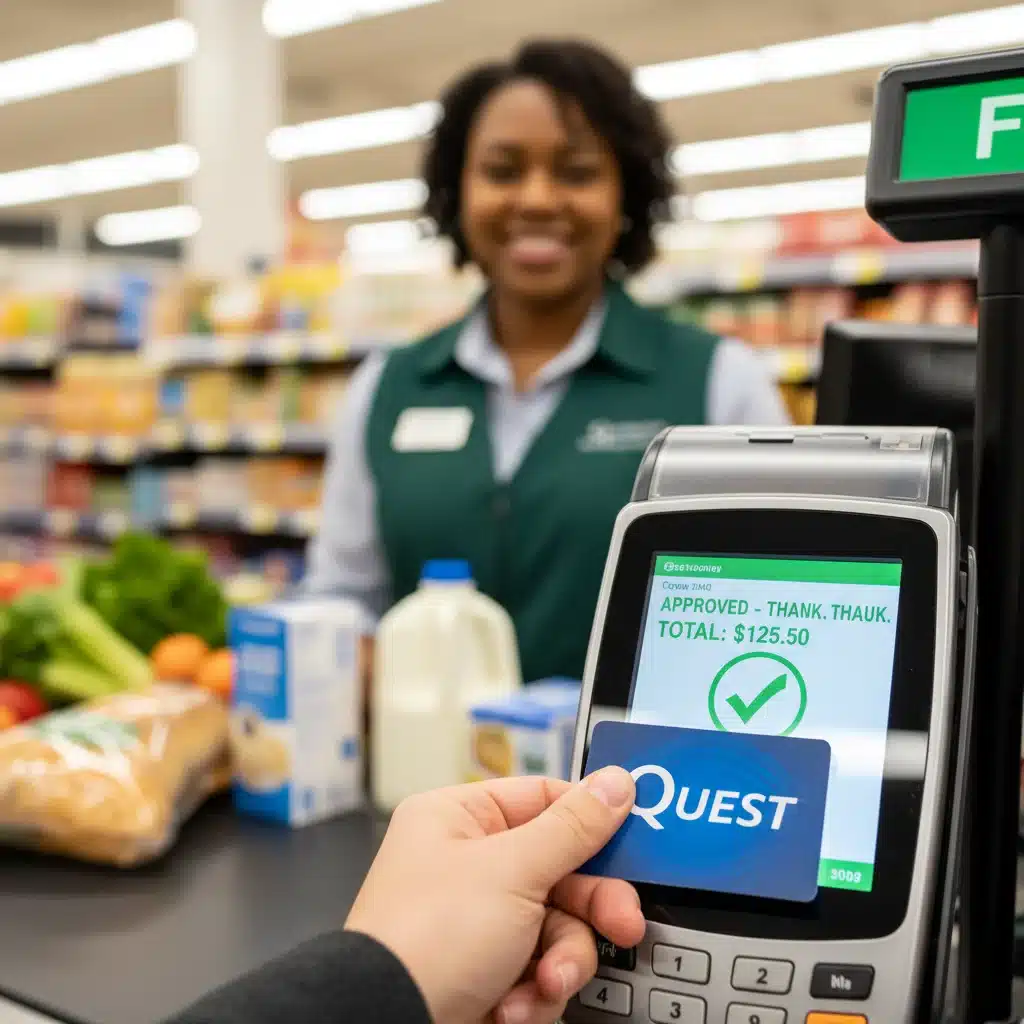
Furthermore, the SNAP Policy Updates 2026 may introduce enhanced support services for applicants. This could involve increased funding for navigators or caseworkers who can provide personalized assistance, answer questions, and guide individuals through each step of the application. These support systems are invaluable for individuals who may have limited English proficiency, disabilities, or simply find the application process overwhelming. The emphasis is on ensuring that everyone, regardless of their circumstances, has the opportunity to successfully apply for and receive the benefits they are eligible for.
Finally, communication regarding application status and benefit amounts is expected to improve. The SNAP Policy Updates 2026 aim to implement more proactive and clear communication strategies, utilizing text messages, emails, and online dashboards to keep applicants informed. This transparency can reduce anxiety and uncertainty, ensuring that beneficiaries understand when their application has been approved, when their benefits will be available, and what their responsibilities are for maintaining eligibility. The overall vision is a more responsive, transparent, and supportive application ecosystem that empowers individuals to access the food assistance they need without unnecessary stress or delay.
Increased Benefit Amounts: What to Expect for Your Household
One of the most anticipated aspects of the SNAP Policy Updates 2026 is the potential for increased benefit amounts for many eligible households. While the exact figures will vary based on individual circumstances and state-specific cost-of-living adjustments, the general direction of these updates is towards providing more substantial support. This increase is largely driven by a combination of factors: adjustments to the Thrifty Food Plan (TFP), which serves as the basis for SNAP benefit calculations, and the aforementioned changes to income and deduction policies. A higher TFP, reflecting current food prices and dietary guidelines, means a higher maximum benefit allotment for all eligible households.
For households that are already receiving SNAP, the SNAP Policy Updates 2026 could translate into a noticeable boost in their monthly EBT allocation. This additional funding can make a significant difference in a household’s ability to purchase a wider variety of nutritious foods, move away from cheaper, less healthy options, and alleviate financial strain. For example, a family of four currently receiving a certain amount might see their benefits increase by a percentage, allowing them to purchase more fresh produce, lean proteins, and dairy products, contributing to a more balanced diet.
New applicants who become eligible under the expanded criteria will also find themselves receiving benefit amounts that are calculated to meet a more realistic portion of their food needs. The adjustments to income thresholds and asset limits mean that households previously deemed ineligible or only marginally eligible may now qualify for more substantial assistance. This is particularly impactful for working families who, despite earning some income, still struggle to cover all their essential expenses, including food. The SNAP Policy Updates 2026 aim to fill this gap more effectively.
It’s important to remember that individual benefit amounts are always tailored to a household’s specific situation, taking into account income, household size, and allowable deductions (such as housing costs, utilities, and medical expenses for qualifying individuals). However, the general trend indicates a more generous and realistic approach to benefit calculation. Beneficiaries should pay close attention to official communications from their state SNAP agency as 2026 approaches, as these will provide precise details on how the new policies affect their specific benefit levels. The goal of these increased amounts is clear: to enhance food security and improve the nutritional well-being of millions of Americans.
The Broader Impact of SNAP Policy Updates 2026 on Food Security
The implications of the SNAP Policy Updates 2026 extend far beyond individual households, promising a significant positive impact on national food security and local economies. By increasing access to food assistance for 2 million households, the program will play an even more critical role in reducing hunger rates across the country. When more people have the means to purchase food, it translates into fewer instances of food insecurity, better health outcomes, and improved overall community well-being. Children, in particular, benefit immensely from consistent access to nutritious food, which supports their cognitive development and academic performance.
Economically, the SNAP Policy Updates 2026 are expected to provide a substantial boost to local economies. SNAP benefits are spent directly at grocery stores, farmers’ markets, and other food retailers, injecting federal dollars into communities. This increased consumer spending supports local businesses, helps retain jobs in the retail and food sectors, and can even stimulate agricultural production. The multiplier effect of SNAP dollars is well-documented; every dollar in SNAP benefits generates additional economic activity, making it not just a social safety net but also an economic stimulus. As more households receive increased benefits, this economic ripple effect will be amplified, benefiting entire communities.

Furthermore, the administrative streamlining and enhanced outreach components of the SNAP Policy Updates 2026 will likely lead to higher program participation rates among eligible individuals. This means fewer people who qualify for help will miss out due to complex processes or lack of awareness. A more efficient and accessible program ensures that the federal investment in SNAP reaches its intended recipients more effectively, maximizing its potential to combat hunger. This also reduces the strain on emergency food systems, such as food banks and pantries, allowing them to focus their resources on other critical needs.
From a public health perspective, improved food security leads to better health outcomes. Access to nutritious food is a fundamental determinant of health, reducing the incidence of diet-related diseases and improving overall physical and mental well-being. The SNAP Policy Updates 2026, by enabling more households to afford healthier diets, will contribute to a healthier population, potentially reducing healthcare costs in the long run. This holistic approach recognizes that food assistance is not just about alleviating immediate hunger but also about fostering long-term health and societal resilience. The changes represent a proactive step towards building a more food-secure and equitable future for all Americans.
Preparing for the Changes: What Households Need to Do Now
As the SNAP Policy Updates 2026 draw closer, proactive preparation can ensure that eligible households are well-positioned to benefit from the enhanced assistance. While the full details are still being finalized and communicated, there are several steps individuals and families can take now to get ready. First and foremost, it’s crucial to stay informed. Regularly check official government websites for your state’s SNAP agency or the USDA Food and Nutrition Service. These platforms will be the primary sources for accurate and up-to-date information regarding specific policy changes, eligibility criteria, and application procedures as 2026 approaches.
For current SNAP beneficiaries, it’s essential to ensure all your personal information on file with your state agency is current. This includes your address, contact information, and any changes in household composition or income. Timely updates can prevent delays in receiving benefits or important communications about the SNAP Policy Updates 2026. When it comes time for recertification, having accurate records will streamline the process significantly. If you’ve moved or your household size has changed, contact your local SNAP office to update your information promptly.
Potential new applicants should begin gathering necessary documentation. While specific requirements may be streamlined, core documents like proof of identity (driver’s license, state ID), residency (utility bills, lease agreements), income (pay stubs, tax returns), and expenses (rent receipts, medical bills) will almost certainly still be required. Organizing these documents now can save valuable time and reduce stress when the new application windows open. Understanding what documents are typically needed will give you a head start in preparing for the SNAP Policy Updates 2026.
Consider reaching out to local community organizations, food banks, or advocacy groups. Many of these organizations work closely with state SNAP agencies and often have the most current information on policy changes and application assistance. They can provide guidance, help with documentation, and even offer support in navigating the application process. These groups often host workshops or information sessions that can be invaluable resources for understanding the nuances of the SNAP Policy Updates 2026 and how they might specifically affect your household. Their expertise can be a critical asset in ensuring you receive the maximum benefits you are entitled to.
Finally, if you are unsure about your current eligibility or how the upcoming changes might impact you, don’t hesitate to contact your state’s SNAP helpline or local office. They are there to assist you. Being proactive and informed is the best strategy to leverage the increased food assistance opportunities that the SNAP Policy Updates 2026 are set to bring. These changes represent a significant opportunity to strengthen food security for millions, and being prepared is the first step towards realizing those benefits.
Conclusion: A Brighter Future for Food Security with SNAP 2026
The SNAP Policy Updates 2026 represent a pivotal moment in the ongoing national effort to combat food insecurity and ensure that all Americans have access to nutritious food. With an estimated 2 million households poised to benefit from increased food assistance, these changes are more than just bureaucratic adjustments; they are a profound investment in public health, economic stability, and the overall well-being of communities across the nation. From expanded eligibility criteria and higher benefit amounts to streamlined application processes and enhanced support services, the reforms are designed to create a more inclusive, efficient, and responsive safety net.
The anticipated adjustments to income and asset thresholds will open doors for countless low-income working families, seniors, individuals with disabilities, and households with children who previously struggled to qualify or received insufficient aid. These changes acknowledge the realities of economic hardship and aim to provide a more realistic and compassionate level of support. By injecting more federal dollars directly into local economies through increased SNAP spending, the SNAP Policy Updates 2026 will also serve as a powerful economic stimulus, supporting businesses and creating jobs in the food sector.
Ultimately, the success of these updates hinges on awareness and proactive engagement. It is imperative for current beneficiaries and potential applicants alike to stay informed, gather necessary documentation, and utilize available resources to navigate the new landscape. Community organizations, state agencies, and advocacy groups will play a crucial role in disseminating information and providing assistance, ensuring that the benefits of these landmark changes reach every eligible household.
As we look forward to 2026, the future of food security appears brighter. The comprehensive nature of the SNAP Policy Updates 2026 underscores a renewed commitment to alleviating hunger and fostering a healthier, more equitable society. By understanding and embracing these changes, we can collectively work towards a future where every individual and family has the fundamental right to sufficient and nutritious food, laying the groundwork for stronger communities and a more resilient nation.